Table of Contents
Table of Contents
So you want to eat more plant based.
Not in a preachy way. Not in a “goodbye joy forever” way. More like. You want meals that feel lighter, still taste good, and don’t leave you staring at the fridge an hour later wondering what went wrong.
And then you hit the protein question.
“How do I get enough protein on a plant based diet?”
It’s a fair question. Also, it’s usually asked like protein is a rare mineral that only exists in grilled chicken.
It’s not.
This guide is basically the full map. What a plant based diet actually means, where protein really comes from, how to build meals that keep you full, and a bunch of practical ways to make it work without turning your kitchen into a supplement aisle.
Note: This content is based on personal research and general nutrition information about plant-based eating. It is intended for educational and lifestyle purposes only and does not constitute medical or dietary advice. Protein needs vary by individual based on factors such as age, activity level, and overall health. Always consult a doctor or registered dietitian before making significant changes to your diet, especially if you have underlying health conditions, are pregnant or breastfeeding, or have specific nutrient deficiencies to manage.
What “plant based” actually means (because people use it differently)
A plant based diet usually means your meals are built mostly from plant foods.
But it doesn’t always mean the same strict rules for everyone. You’ll see a few versions:
- Mostly plant based: plants are the default, but you still eat some fish, eggs, dairy, or meat sometimes.
- Vegetarian: no meat or fish, but eggs and dairy may be included.
- Vegan: no animal products at all.
- Whole food plant based (WFPB): focuses on minimally processed foods. Think beans, whole grains, veggies, fruit, nuts, seeds. Less oil, less refined stuff.
- Pegan diet: A blend of paleo and vegan principles focusing on whole foods and minimizing processed items learn more about it here.
For most people, “plant based” is a direction, not a label. It’s what you cook most days. That’s it.
And the protein part works in all of these approaches, you just adjust the tools.
If you're also considering other dietary options such as the Mediterranean diet or even exploring an anti-inflammatory diet, remember that these too can be tailored to include ample plant-based ingredients while still meeting your protein needs.
Why plant based eating tends to make people feel better (when it’s done well)
Not a medical claim, just the common reality: when people shift toward plants, they often end up eating more of the stuff that supports digestion and energy.
Usually because plant based meals naturally bring in:
- More fiber (beans, lentils, whole grains, vegetables)
- More potassium and magnesium (greens, legumes, potatoes, nuts)
- More variety (you rotate ingredients instead of repeating the same meat and starch)
But here’s the catch. A plant based diet can also be… fries and cereal and pasta with nothing else. Still technically plant based. Not exactly the goal.
The sweet spot is: plants first, protein included, meals with structure. This aligns well with a clean eating guide that emphasizes whole foods.
The biggest mistake with plant based diets (and it’s not protein)
The most common issue is actually not eating enough overall.
A lot of plant foods are less calorie dense than meat and cheese. So if someone switches to big salads and veggie soups without adding beans, grains, nuts, olive oil, tofu, etc. they end up hungry. Then the snack spiral starts.
Protein helps with fullness, yes. But so do:
- complex carbs (oats, brown rice, potatoes, whole wheat pasta)
- healthy fats (avocado, nuts, tahini, olive oil)
- fiber (legumes, veggies, berries)
You want all three. That’s when it feels easy.
Plant based protein 101 (simple and honest)
Protein is made of amino acids. Plants contain amino acids. So yes, plants contain protein.
A few quick truths that calm things down:
- You do not need to “combine proteins” in the same meal to get complete protein. If you eat a variety of foods across the day, you’re fine.
- Legumes + soy + grains + nuts/seeds cover basically everything.
- You will get protein from places you don’t expect, like oats, broccoli, potatoes, and pasta. They’re not “high protein” on their own, but they stack up.
If you want the easiest mental shortcut:
Beans + tofu/tempeh + lentils + edamame + Greek style plant yogurts + seitan (if you eat gluten). Rotate those and you’re in great shape.
For those looking to adopt a more structured approach to their dietary choices while aiming for weight loss or improved health outcomes, exploring various diet plans and weight loss programs could provide valuable insights and assistance.
Best plant based protein sources (with realistic notes)
Here’s the practical list, the stuff that actually makes meals work.
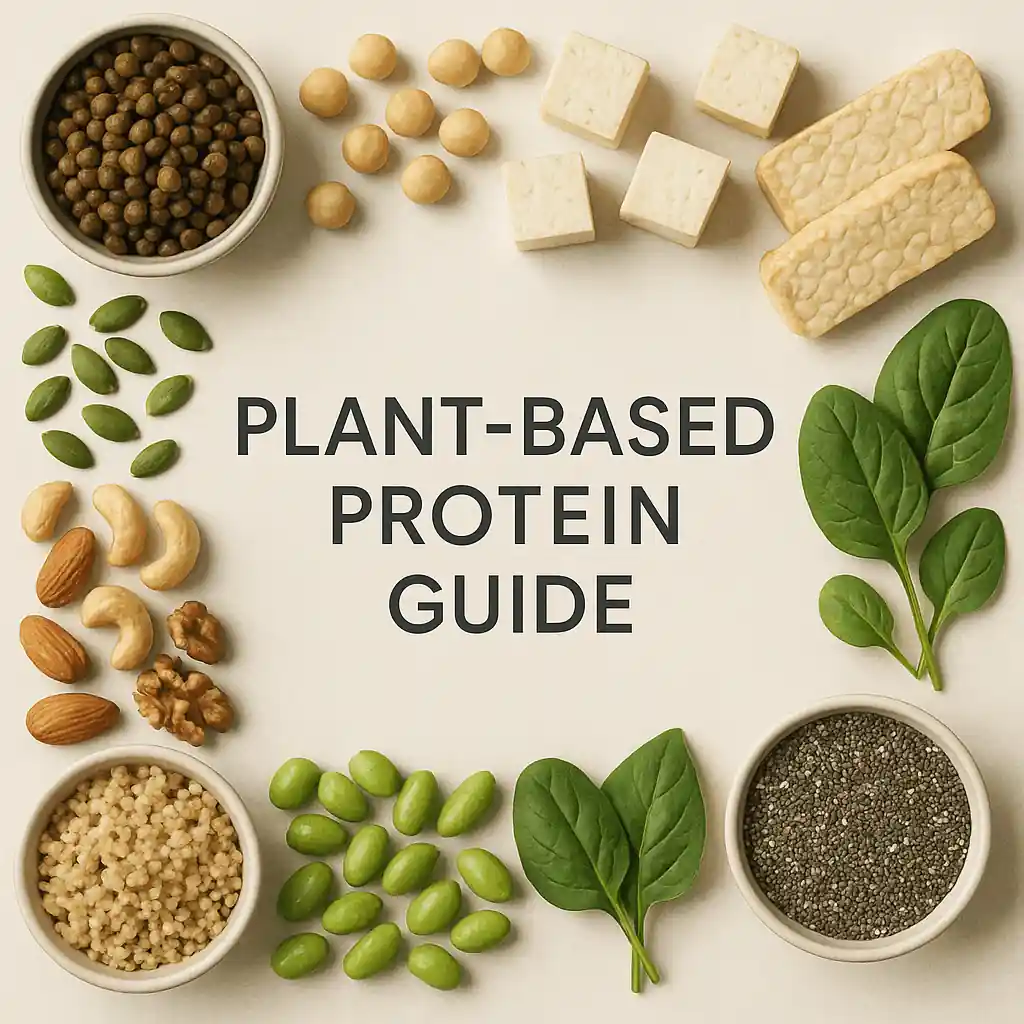
1. Lentils
Cheap, fast, and honestly one of the easiest ways to make a meal feel “real.”
Red lentils cook quickly and melt into soups and sauces. Green/brown lentils hold their shape for bowls and salads.
Good for: soups, curries, taco filling, pasta sauce add-ins.
2. Chickpeas
The comfort food of the bean world. You can roast them, smash them, blend them, stew them.
Good for: hummus, curries, sheet pan dinners, “chickpea salad” sandwiches.
3. Black beans, kidney beans, white beans
Super versatile. Also, if you’re trying to stay full, beans are your best friend because they bring protein plus fiber.
Good for: chili, tacos, rice bowls, soups, mashed white bean toast spreads.
4. Tofu
Tofu gets bullied online, but it’s basically a blank canvas that takes on whatever you do to it. You can find some helpful tips on how to cook tofu effectively here.
Two keys:
- press it (or buy extra firm)
- season it like you mean it
Good for: stir fries, crispy baked cubes, scrambles, blended sauces, miso soups.
5. Tempeh
Nutty, firm, slightly fermented. It’s great when you want something chewy and satisfying.
Good for: crumbled taco meat, glazed tempeh strips, stir fries.
6. Edamame
One of the easiest protein boosters. Toss into salads, bowls, fried rice, noodle soups. Edamame has numerous health benefits that make it a great addition to your diet.
Pro tip: keep a bag in the freezer. Instant upgrade.
7. Seitan (wheat gluten)
If you eat gluten and your digestion tolerates it, seitan is ridiculously high in protein. Texture is more meat-like than tofu.
Good for: sandwiches, stir fries, “chicken style” strips, kebabs.
8. Plant based protein powders (optional, not mandatory)
Protein powder is not required, but it’s convenient.
Look for blends like:
- pea + rice
- soy isolate
- hemp (lower protein per scoop, but nice)
Good for: smoothies, overnight oats, pancake batter.
9. Nuts and seeds (and their butters)
Not the highest protein per calorie compared to beans and tofu, but awesome for satiety and flavor.
Think:
- peanut butter
- almond butter
- tahini
- chia
- hemp hearts
- pumpkin seeds
Good for: sauces, dressings, oatmeal, yogurt bowls, snacks.

How much protein do you actually need?
This depends on your body size, activity level, and goals.
A simple, non-stressful approach for most adults is:
- Aim for 20 to 35 grams of protein per meal
- Or include one clear protein anchor each meal (beans, lentils, tofu, tempeh, edamame, seitan)
For a more precise number, the NIH's Office of Dietary Supplements sets the official Recommended Dietary Allowance (RDA) for protein at 0.8 grams per kilogram of body weight per day for most adults, though people who are very active, lifting weights, or trying to preserve muscle while losing weight often benefit from more.
If you're active, lifting, or trying to gain muscle, you'll likely want more. But for everyday health and fullness, the meal-based target works well because it's easy to execute.
If you’re active, lifting, or trying to gain muscle, you’ll likely want more. But for everyday health and fullness, the meal-based target works well because it’s easy to execute.
And yes, you can absolutely hit these numbers with food. Without weird tricks.
The “protein anchor” method (this makes plant-based eating way easier)
Instead of building a meal around what you’re removing (meat), build it around what you’re adding.
Here’s the method:
- Pick a protein anchor
Example: tofu, lentils, chickpeas, tempeh, black beans - Add a fiber base
Example: brown rice, quinoa, oats, potatoes, whole wheat pasta, farro - Add volume + color
Example: roasted veggies, salad, sautéed greens, tomatoes, peppers - Finish with fat + flavor
Example: tahini sauce, avocado, olive oil, nuts, pesto, salsa, chili crisp
That’s a meal. That’s the whole trick.
Sample high protein plant-based meal ideas (not boring, I promise)
Breakfast ideas
- Tofu scramble with veggies + toast + avocado
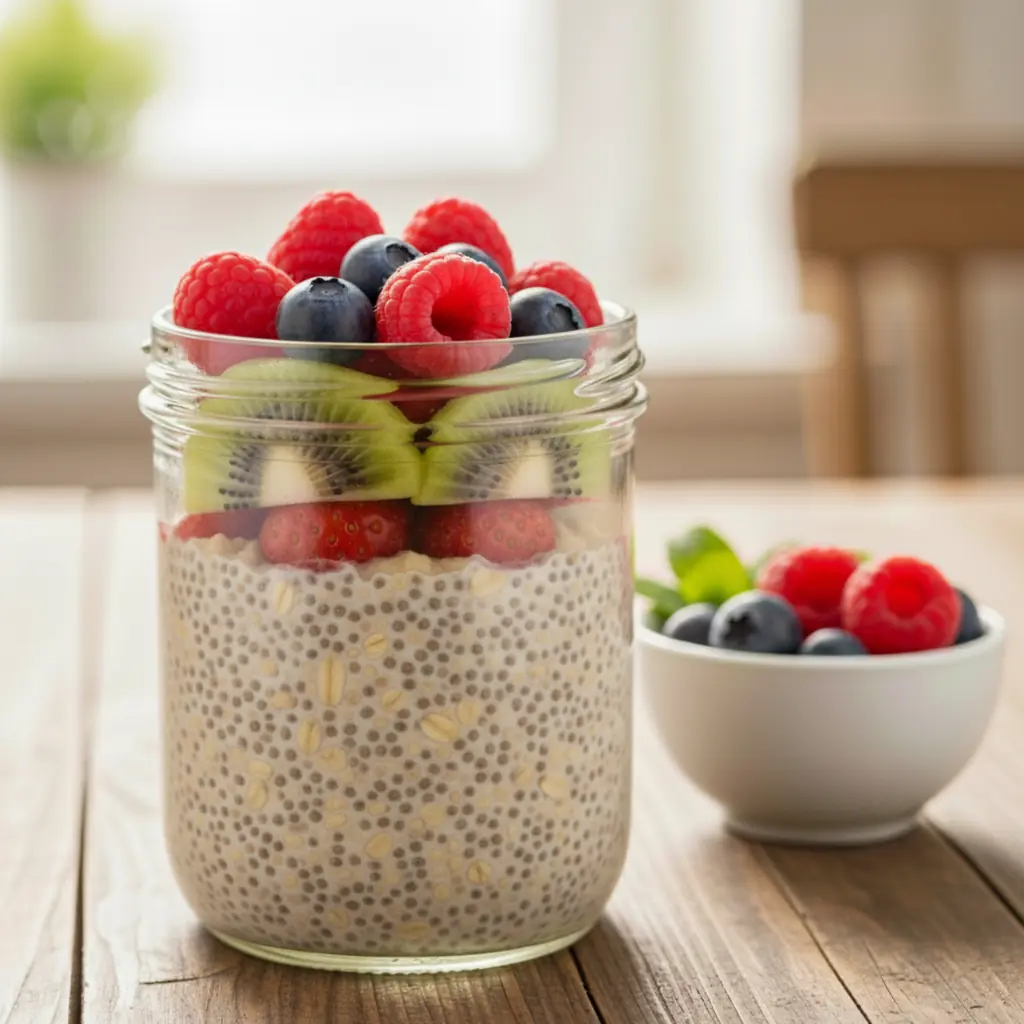
- Overnight oats with soy milk + chia + peanut butter
- Smoothie with frozen fruit + soy milk + protein powder (optional)
- Try this delicious savory oatmeal with edamame, scallions, sesame, soy sauce
Lunch ideas
- Chickpea salad sandwich (smash chickpeas with mustard, pickle, herbs)
- Lentil soup with crusty bread
- Rice bowl with tofu, edamame, cucumber, spicy mayo style sauce (plant based)
- Big salad but make it real: greens + roasted chickpeas + quinoa + tahini dressing
Dinner ideas
- Black bean chili with corn and sweet potato
- Red lentil curry with rice
- Tempeh stir fry with frozen veggies and noodles
- White bean pasta (blend white beans into a creamy sauce, add garlic, lemon, spinach)
Grocery list for plant based protein (a really useful starter list)
If you want to stock your kitchen once and stop overthinking every meal, here you go.
Pantry
- canned chickpeas, black beans, white beans, lentils
- dried lentils (red + green/brown)
- quinoa, brown rice, oats
- whole wheat pasta
- nut butter
- tahini
- canned tomatoes
- veggie broth
- soy sauce or tamari
- spices: cumin, smoked paprika, chili powder, garlic powder
Fridge
- tofu (extra firm)
- tempeh (if you like it)
- plant yogurt (soy-based tends to be higher protein)
- hummus
- greens (spinach, kale, arugula)
Freezer
- edamame
- frozen broccoli, peppers, stir fry blends
- frozen fruit for smoothies
Flavor boosters (this is the difference between “meh” and “wow”)
- lemon/lime
- pickled onions
- hot sauce
- miso
- nutritional yeast (optional but great)
- salsa
- garlic + ginger
Plant based protein myths that need to calm down
Myth 1: “Plant protein isn’t complete”
Some plant foods are lower in certain amino acids, sure. But you do not need perfection in a single bite. Variety across the day solves this.
Myth 2: “You can’t build muscle on plants”
You can. People do. The core requirement is adequate total protein and calories, plus resistance training.
Myth 3: “You have to eat tons of soy”
You don’t. Soy is helpful, convenient, and complete as a protein source, but beans and lentils can do most of the heavy lifting too.
Myth 4: “Plant based means low carb”
A lot of plant based diets include plenty of carbs because whole grains and legumes are major staples. It’s not a problem. It’s often a benefit.
A simple 1-day plant based protein example (just to make it feel real)
This is not a strict meal plan. Just an example of how it can look without doing math all day.
Breakfast: overnight oats with soy milk, chia, peanut butter
Lunch: lentil soup + bread + side salad
Snack: hummus + carrots + pumpkin seeds
Dinner: tofu stir fry with rice + edamame
Dessert (because life): plant yogurt with berries
That day would land you in a pretty solid protein range for most people, with fiber to match. And it doesn’t require any weird food.
If you’re new to this, start here (the low friction way)
If going fully plant based feels like a lot, do it in layers:
- Start with 2 plant based dinners per week
- Add 1 plant based lunch
- Then swap breakfast if you want
Also. Don’t try to learn 30 new recipes at once. Learn 3.
- one bean based meal (chili, curry, soup)
- one tofu or tempeh meal (stir fry, sheet pan)
- one fast lunch (chickpea salad, hummus wrap, leftovers bowl)
Build from there.
Quick wrap up
A plant based diet is not automatically healthy, and it’s not automatically high protein either.
But it can be both. Pretty easily.
If you remember just two things:
- Anchor every meal with a real protein source (beans, lentils, tofu, tempeh, edamame, seitan)
- Don’t forget fat and carbs (they matter for fullness and energy)
That’s it. That’s the whole system.
FAQs
What does “plant based” actually mean and what are its common variations?
A plant based diet generally means your meals are built mostly from plant foods, but it can vary in strictness. Common versions include: Mostly plant based (plants are default but some fish, eggs, dairy, or meat are eaten occasionally), Vegetarian (no meat or fish but includes eggs and dairy), Vegan (no animal products at all), Whole Food Plant Based (focuses on minimally processed foods like beans, whole grains, veggies, fruits, nuts, seeds with less oil and refined items), and Pegan diet (a blend of paleo and vegan principles focusing on whole foods). For most people, plant based is a direction rather than a strict label, it's what you cook most days.
How can I ensure I get enough protein on a plant based diet?
You can get ample protein from plants because they contain amino acids. You don't need to combine proteins in the same meal for complete protein; eating a variety across the day works well. Key sources include legumes, soy products like tofu and tempeh, grains, nuts, and seeds. Foods like oats, broccoli, potatoes, and pasta also contribute protein when combined throughout the day. Rotating beans, lentils, tofu/tempeh, edamame, Greek-style plant yogurts, and seitan (if gluten is consumed) covers your protein needs effectively.
Why do people often feel better when they switch to a well-planned plant based diet?
A well-done plant based diet tends to increase intake of fiber (from beans, lentils, whole grains, veggies), potassium and magnesium (from greens, legumes, potatoes, nuts), and variety in ingredients which supports digestion and sustained energy. This variety helps avoid repetitive meals common in meat-heavy diets. However, merely eating fries or cereal still counts as plant based but doesn't provide these benefits. The sweet spot is meals with plants first plus protein included and structured meals aligning with clean eating principles emphasizing whole foods.
What is the biggest mistake people make when starting a plant based diet?
The biggest mistake isn't about protein but rather not eating enough calories overall. Many plant foods are less calorie dense than meat or cheese. Switching to big salads or veggie soups without adding calorie-rich foods like beans, grains, nuts, olive oil or tofu often leads to hunger followed by excessive snacking. To avoid this snack spiral you want to include complex carbs (oats, brown rice), healthy fats (avocado, nuts), fiber-rich foods (legumes, veggies) alongside protein for balanced fullness and satisfaction.
Can I mix other diets with plant based eating for better health outcomes?
Yes! Diets like the Mediterranean diet or anti-inflammatory diet can be tailored to include ample plant-based ingredients while still meeting your protein needs. Exploring various diet plans and weight loss programs that incorporate plant-based principles may provide valuable insights for weight loss or improved health outcomes while keeping meals flavorful and realistic for everyday life.
What are some of the best practical plant based protein sources for easy meal planning?
Some of the best practical sources include lentils (cheap and fast cooking varieties like red lentils melt into soups while green/brown hold shape for bowls), beans (black beans, chickpeas), tofu and tempeh (soy-based versatile proteins), edamame (young soybeans), Greek style plant yogurts (protein-rich dairy alternatives), seitan if gluten is consumed (wheat gluten high in protein). Rotating these staples makes it easy to build satisfying meals that keep you full without relying on supplements.