Table of Contents
Table of Contents
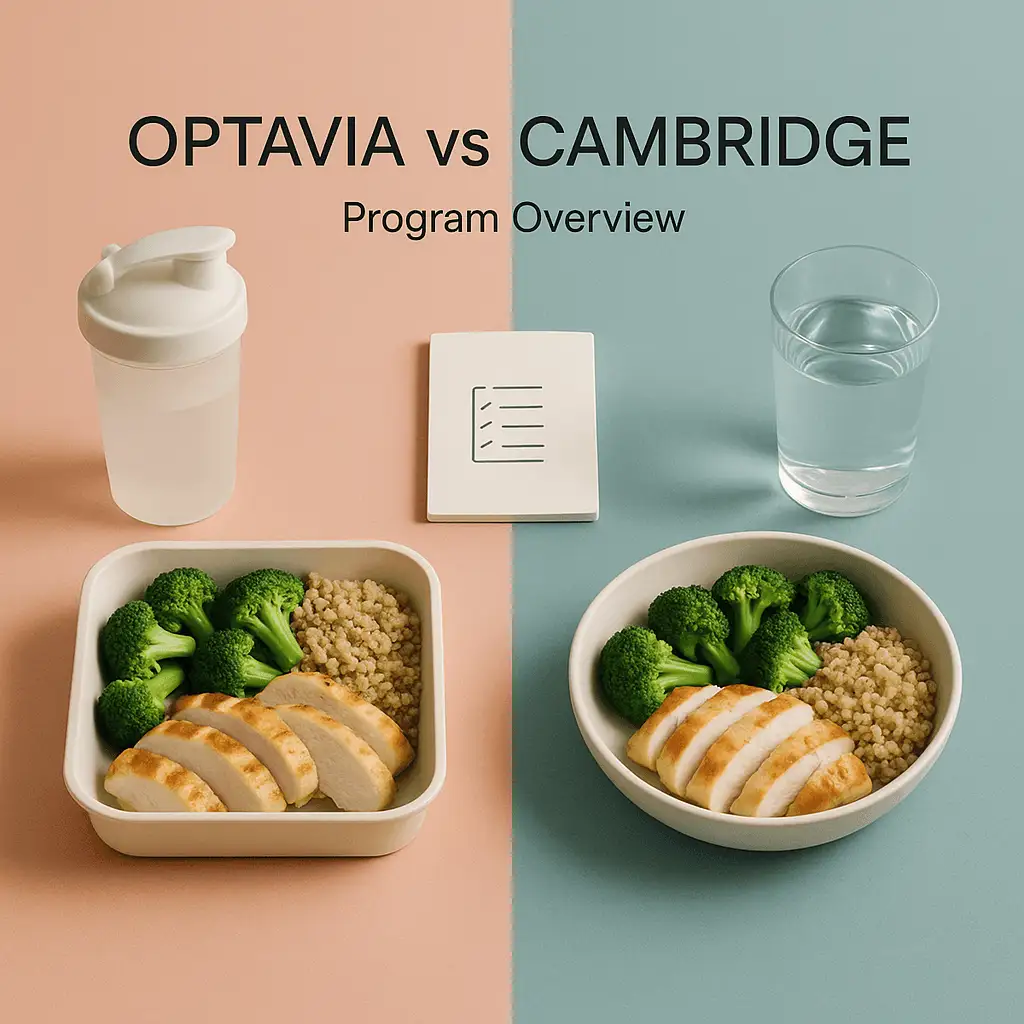
Optavia Diet and Cambridge Diet are often the first plans you’ll see when searching for a “meal replacement diet plan” or a “very low calorie diet,” and for good reason. Both center around structured eating, blending packaged foods with options like Lean And Green Meals, Lean Green Recipes, and even Quick And Easy Lean And Green Meals Optavia 5&1 to support Low Calorie Eating and Easy Meal Prep. You’ll also see overlap with concepts like a Cambridge Diet Plan or Cambridge Diet Meal Plan, along with 1:1 Diet Cambridge Recipes designed to simplify high protein meals and daily routines.
If you have ever looked up “meal replacement diet plan” or “very low calorie diet,” you have probably seen these two names pop up a lot.
Optavia Diet and Cambridge Diet (often called Cambridge Weight Plan, and now largely branded as 1:1 Diet Cambridge in many places) sit in the same general lane: structured, coach-guided programs built around consistency, portion control, and practical systems. They often incorporate ideas like Optavia Lean And Green Meal Ideas, lean and green meals Optavia 5&1, and high protein dinner recipes, alongside lunch ideas healthy and lean dinner recipes that fit into real-life routines like Quick Weeknight Meals.
But they are not identical. And honestly, the differences matter, especially if you cook at home, eat with family, or want something sustainable that doesn’t revolve entirely around packaged options.
This is a full, practical overview of both programs: what you actually do day to day, how the food works (including high protein meals and quick easy meals), how coaching works, what it tends to cost, and who each plan tends to fit.
Quick note: This is general information, not medical advice. If you have diabetes, take blood pressure meds, have a history of disordered eating, are pregnant, breastfeeding, or have any medical conditions, talk to your clinician before starting a very low calorie plan.
At a glance: what these programs have in common
Both programs typically involve:
- Portion controlled, branded products (shakes, bars, soups, pasta-ish things, snack items).
- A structured daily plan with set “meals” and “snacks.”
- A coaching model (Optavia Coaches, Cambridge Consultants).
- A transition phase that tries to move you from mostly packaged foods back to more regular meals.
- A big focus on simplicity and compliance. Less decision making, more following the system.
And both are often used for weight loss, sometimes rapid weight loss.
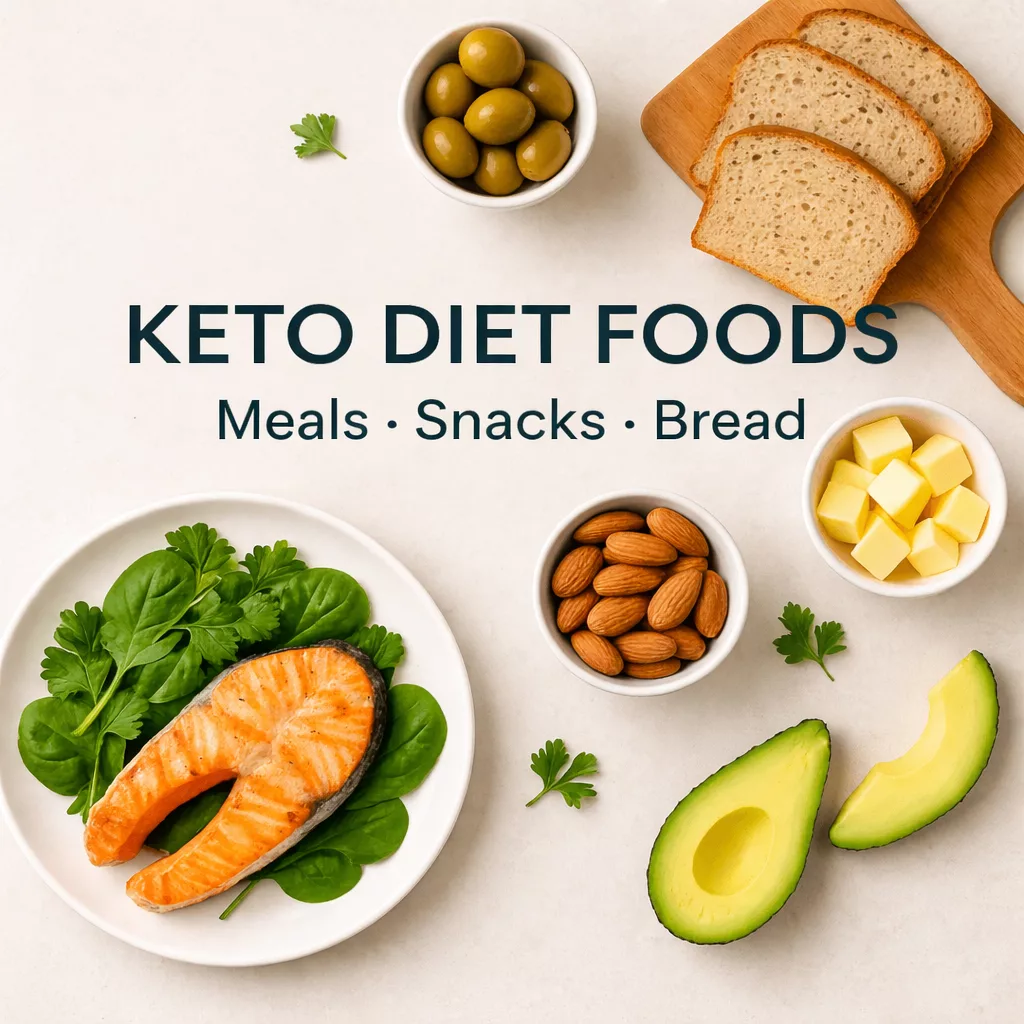
However, if you're considering other dietary options like the Atkins diet, Keto diet, low-carb Keto diet, or looking for a specific Keto diet plan, it's important to understand that these diets offer different approaches and may suit different lifestyles or preferences.
The Optavia Diet: what it is, in plain English
Optavia is a structured weight loss program built around branded packaged products called Fuelings plus one or more self-prepared meals called Lean and Green (and sometimes additional meals depending on the plan).
There are a few different plans, but the one most people hear about is basically:
- multiple Fuelings per day
- plus one Lean and Green meal
What are “Fuelings” on Optavia?
Fuelings are Optavia’s packaged items. Think:
- shakes
- bars
- soups
- oatmeal style packets
- crunchy snacks
- “pasta” or “mac” style bowls
They are designed to be portion controlled and generally higher protein, lower calorie, with added vitamins and minerals.
You are not picking random grocery store protein bars. You are buying their system.
What is a “Lean and Green” meal?
Lean and Green is the meal you make yourself using a framework:
- Lean protein
- Non-starchy vegetables
- Healthy fat (in a controlled amount)
Optavia gives specific lists and portions. Usually it is stuff like chicken breast, turkey, fish, tofu, eggs, plus lots of veggies, plus measured olive oil, nuts, or similar.
This is the part where real cooking can still exist. But it is still measured, pretty strict, and you are expected to stick to the food lists.
If you like cooking, you can make this meal feel like actual life again. If you do not like cooking, it can feel like a chore you have to do once a day.
It's worth noting that the Lean and Green meals can be beneficial for those managing diabetes as they focus on healthy proteins and non-starchy vegetables while controlling fat intake.
A typical Optavia day (example)
This is a basic example of how the structure often looks in practice:
- Morning: Fueling (shake or bar)
- Mid morning: Fueling
- Lunch: Fueling
- Mid afternoon: Fueling
- Dinner: Lean and Green
- Evening: Fueling (sometimes)
Spacing tends to be every 2 to 3 hours.
Coaching and community with Optavia
Optavia is well known for its coach model, and that model is tied into multi level marketing. Some people love the accountability, the check ins, the “text me your water intake” vibe.
Some people do not like the sales vibe. Or the social pressure. Or the fact that coaches are not necessarily clinically trained.
It really depends on the individual coach and how you personally feel about that kind of support.
Transition and maintenance
Optavia includes phases that add back more regular meals. The idea is to slowly move from lots of Fuelings to more whole foods.
In real life, people vary here. Some transition smoothly. Some stay on Fuelings longer because it feels safer and simpler. Some bounce right back to regular eating and regain.
The transition phase is honestly where the long term success is made or lost.
Pros and cons of Optavia (the real ones people feel)
Potential pros
- Very structured. Fewer decisions.
- Easy to follow if you like routines.
- Portion control is built in.
- Lean and Green can be balanced if done well.
- Coaching can help some people stick with it.
Potential cons and watch outs
- Cost can be high, especially if you rely heavily on Fuelings.
- Some people find it socially isolating. Lots of packaged meals, eating differently than everyone else.
- It can feel rigid.
- The coach model can feel salesy.
- For some people, strict rules can trigger an unhealthy relationship with food.
The Cambridge Diet: what it is, in plain English
The Cambridge Diet is a structured program using branded meal replacements, often positioned in the very low calorie diet category, especially in its stricter steps. This approach is similar to other diet plans such as the Bariatric Seed Diet, which also emphasizes meal replacements for weight loss.
Depending on the version in your country, you will hear:
- Cambridge Weight Plan
- 1:1 Diet by Cambridge Weight Plan
- Cambridge plan steps like Step 1, Step 2, etc.
What do you eat on Cambridge?
The Cambridge program uses products like:
- shakes
- soups
- bars
- porridges
- ready meals (varies by market)
Then depending on the step, you may add:
- measured vegetables
- a protein portion
- a structured meal
It is very step based. Some steps are mostly meal replacements. Some steps include one or more “real food” meals.
The “Steps” concept (how Cambridge is usually structured)
Cambridge tends to lay things out by steps with different calorie targets. The lowest steps can be very low calorie and usually have the strongest recommendation for medical supervision or at least careful monitoring, depending on your health status.
Common concept across steps:
- Lower steps: mostly Cambridge products, minimal additional food
- Middle steps: products plus some lean protein and vegetables
- Higher steps: more normal food, fewer products
- Stabilisation: learning to keep weight stable
Exact names and numbers vary, but the “level up gradually” idea is consistent. It's worth noting that while the Cambridge Diet may work for some, others might find success with alternative diets such as the Noom diet, Mediterranean diet, Pegan diet, or even an Anti-inflammatory diet that could offer a more flexible approach compared to the rigid structure of the Cambridge Diet.
Cambridge Consultants and support
Cambridge uses consultants for 1:1 support. It is typically framed as accountability, check ins, plan guidance, and product ordering.
Like Optavia, quality varies by person. Some consultants are great at practical support. Some are mostly focused on product and scale weight. Some are very hands off.
Pros and cons of Cambridge
Potential pros
- Clear structure and progression with steps.
- The meal replacements are simple and controlled.
- Accountability can be helpful.
- Some people like the “reset” feeling of strict structure.
Potential cons and watch outs
- The lowest steps can be extremely restrictive, which is not appropriate for everyone.
- Hunger, fatigue, and social friction can be real.
- Transition back to regular eating can be tricky if you do not learn food skills.
- Cost adds up.
- Rigid dieting can trigger binge restrict cycles in some people.
Optavia Diet and Cambridge Diet: what is actually different?
Here is the simplest way to think about it.
1) How “real food” shows up
- Optavia is widely known for the daily Lean and Green meal being a core part of the popular plan.
- Cambridge can range from very strict meal replacement only steps to steps with more food. It depends where you start.
If you know you need at least one normal meal a day to feel sane, Optavia’s structure can feel more livable. If you want an intensive, tightly controlled start, Cambridge can feel more direct.
2) The branding and business model vibe
- Optavia is tied into a coach network with MLM roots. That is a big emotional factor for a lot of people.
- Cambridge is also consultant based, but it tends to feel more like a direct program distribution model depending on how it is run in your region.
People have strong feelings about this. It is not a small detail.
3) Intensity and calorie level range
Both can be restrictive, but Cambridge is often more clearly associated with very low calorie steps as a standard option.
Either way, if you are going very low calorie, you should be thinking about:
- medical appropriateness
- side effects
- sustainability
- what happens after the “loss” phase
4) Cooking skills and long term habits
This is the part people skip, then regret.
If you do not learn how to build meals you actually like, with protein, fiber, and satisfying volume, you are basically renting weight loss from a box of products.
You want the skills eventually. Even if you use meal replacements for a while.
What about ingredients and nutrition quality?
This is where the conversation gets weird online because people want one clean answer.
Meal replacements are processed. That is the point. Shelf stable, portioned, consistent.
The better question is:
- Do you personally tolerate them well?
- Are you getting enough protein and fiber?
- Are you adding vegetables and hydration?
- Are you using this to build a bridge into a normal eating pattern, or is it just a hard stop and then rebound?
Some people feel fine on shakes and bars. Some get GI issues, headaches, constipation, or just constant “I want to chew real food.”
Also, if you are sensitive to certain fibers, or certain sweeteners, read labels carefully. That is often where discomfort comes from.
Cost: what you should realistically expect
Prices vary by country, plan, and how many products you use daily.
But in general:
- Both programs can be expensive compared to cooking at home.
- If you are replacing most of your meals with branded products, that cost is the bulk of your budget.
- Transitioning to more grocery based meals usually lowers cost, but requires planning and cooking.
One simple way to sanity check it is to calculate:
- cost per day during the strict phase
- cost per week
- cost for 8 to 12 weeks
Then ask yourself if you would still choose it if the scale moved slower but you ate more normal food.
That question alone clears up a lot.
Side effects and common complaints (not to scare you, just reality)
People commonly report:
- constipation (low fiber, lower food volume, dehydration)
- headaches in the first week (often from calorie drop, caffeine changes, or carb reduction)
- fatigue or cold feeling
- irritability
- social challenges and food boredom
If you do either program, the basics matter more than you think:
- drink enough water
- include allowed vegetables where the plan permits
- watch electrolytes if you are eating very low calorie (talk to a clinician if unsure)
- prioritize sleep
And if your mood tanks or you start obsessing, that is information. Not something to “push through” blindly.
Which one is better for most people?
“Better” depends on what you need.
Optavia tends to fit people who want:
- a set routine
- one cooked meal a day they can make their own
- frequent check ins
- very simple rules
Cambridge tends to fit people who want:
- a step based structure
- a more intensive start (in some steps)
- consultant accountability
- clear progression back toward normal eating
But the real truth. If you hate the food, you will not stick to it. If you do not learn maintenance habits, you will likely regain.
So the best program is the one that gets you closer to eating in a way you can actually live with.
How to make either program feel more like real life (and less like diet mode)
This is where Easy Recipes Dash can help, because the bridge back to normal meals is usually the hardest part.
A few practical ideas:
- Build a rotation of 5 to 10 simple, high protein meals you actually like.
- Get comfortable with flavor so you do not feel deprived. Lemon, garlic, herbs, spice blends, vinegar, yogurt based sauces.
- Learn 2 or 3 go to “big salad” templates that are satisfying, not sad.
- Make vegetables easier: sheet pan, air fryer, quick saute, pre chopped options when needed.
If you are in a phase that includes a lean protein and vegetables meal, you can pull ideas from the lighter, flavor forward recipes on Easy Recipes Dash and keep things interesting without blowing up your plan.
A simple decision checklist before you start
If you are choosing between Optavia Diet and Cambridge Diet, ask yourself:
- Do I want at least one regular meal a day right away, or am I okay with mostly meal replacements?
- How do I feel about the coaching model and the sales vibe, if any?
- Can I afford this for 8 to 12 weeks without stress?
- What is my plan for maintenance? Like, specifically.
- Does strict structure help me, or does it trigger rebound eating?
If you cannot answer number 4, pause. Seriously. Because weight loss is the short part. Maintenance is the long part.
FAQs
What are the main similarities between Optavia Diet and the Cambridge Diet?
Both Optavia and the Cambridge Diet involve portion-controlled, branded products like shakes, bars, and soups; a structured daily plan with set meals and snacks; a coaching model for support; a transition phase to move from packaged foods to regular meals; and a focus on simplicity and compliance to aid weight loss.
What is included in an Optavia ‘Fueling' and how does it work?
Optavia ‘Fuelings' are branded, portion-controlled packaged items such as shakes, bars, soups, oatmeal packets, crunchy snacks, and pasta-style bowls. They are designed to be higher in protein, lower in calories, and fortified with vitamins and minerals to support weight loss within the structured program.
Can I cook my own meals on the Optavia diet?
Yes. The Optavia diet includes a ‘Lean and Green' meal that you prepare yourself following specific guidelines: lean protein (like chicken or fish), non-starchy vegetables, and controlled amounts of healthy fats. This allows for real cooking while maintaining portion control and adherence to the plan.
How does coaching work in the Optavia program?
Optavia uses a coach model where coaches provide accountability, check-ins, and support throughout your weight loss journey. However, these coaches are not necessarily clinically trained, and some people may feel uncomfortable with the multi-level marketing sales aspect associated with this coaching system.
Is Optavia suitable for people with medical conditions like diabetes or pregnancy?
If you have diabetes, take blood pressure medications, have a history of disordered eating, are pregnant or breastfeeding, or have other medical conditions, it is important to consult your healthcare provider before starting any very low calorie diet like Optavia or the Cambridge Diet.
How do Optavia Diet and Cambridge Diet differ from other diets like Atkins or Keto?
Optavia Diet and Cambridge Diet focus on structured meal replacement products with coaching support and gradual transition back to regular meals. In contrast, Atkins and Keto diets emphasize low-carb intake without relying on packaged products or coaching models. Each approach suits different lifestyles and preferences depending on individual goals.
Conclusion
Optavia Diet and Cambridge Diet are both structured meal replacement programs with coaching support and a clear system to follow. Optavia is commonly built around Fuelings plus a daily Lean and Green meal, while Cambridge is more step-based and can range from meal replacements only to a mix of products and food, depending on where you start.
Neither is magic. The biggest difference maker is what happens after the strict phase. If you can use the structure to lose weight, then transition into normal meals you enjoy and can repeat, that is where it becomes sustainable.
And if you want help on that food part, the normal life part, poke around Easy Recipes Dash and start building your rotation now. Even just a few easy dinners can make the whole process feel less extreme.