Table of Contents
Table of Contents
The ketogenic diet has become a popular approach to weight management. You may have heard success stories from friends, seen transformations on social media, or read about celebrities using this high-fat, low-carb eating style to lose weight rapidly. The science behind it is simple yet powerful: by significantly reducing carbohydrates, your body enters a metabolic state called ketosis, where it burns fat for energy instead of glucose.
This 7-day keto diet plan provides you with a structured guide to kickstart your journey into ketosis. Instead of guessing what to eat or putting together random keto recipes, you'll follow a complete menu designed to help you organize low-carb meals throughout the week. I've seen many people struggle with keto simply because they didn't have a clear plan, they accidentally consumed too many carbs, didn't eat enough fat, or felt overwhelmed by the dietary change.
The advantage of having a planned menu is that it eliminates uncertainty. You'll know exactly what to eat for breakfast, lunch, dinner, and snacks, with portions adjusted to your individual macronutrient targets. This organized approach helps you avoid common mistakes, and makes daily meal preparation easier. The benefits of the ketogenic diet go beyond just weight loss, but first, you need a solid foundation to begin.
Note: This 7-day meal plan is a sample menu that works for my lifestyle. It is for educational purposes and should not be taken as a medical prescription for weight loss. Speak with your healthcare provider before starting any new meal plan.
This post is part of my Low Carb & Keto Diet Hub
Understanding the Ketogenic Diet and Ketosis
Ketosis is a metabolic state where your body switches from burning glucose (carbohydrates) for energy to burning fat instead. When you drastically reduce your carb intake, your liver converts fatty acids into molecules called ketones, which become your primary fuel source. This shift in fat burning metabolism increases the use of fat for fuel, but weight loss also depends on overall calorie intake.
An illustrative ketogenic diet macronutrients breakdown is:
| Macronutrient | Example share of daily calories | Food examples |
|---|---|---|
| Fat | 75% | Avocados, olive oil, and fatty fish |
| Protein | 20% | Fish, poultry, eggs, and meat |
| Carbohydrates | 5% | Non-starchy vegetables and small portions of berries |
These percentages total 100% and are an example, not a personalized prescription. Keto diets commonly restrict carbohydrates to 20–50 grams per day; individual needs vary.
Keto affects insulin levels, but sustained fat loss also requires a calorie deficit. Carbohydrates trigger insulin release, which signals your body to store fat. When you slash carbs, insulin levels drop significantly. Lower insulin means your body can access stored fat more easily and burn it for fuel. This dietary approach may also reduce hunger, making it easier to eat less without feeling deprived. You may notice decreased cravings and longer periods of satiety between meals, which naturally supports a caloric deficit without the constant battle against hunger.
Key Components of a Successful Keto Diet Plan
Building your meals around the right ingredients makes all the difference when you're aiming to stay in ketosis and burn fat efficiently.
1. Healthy Fats
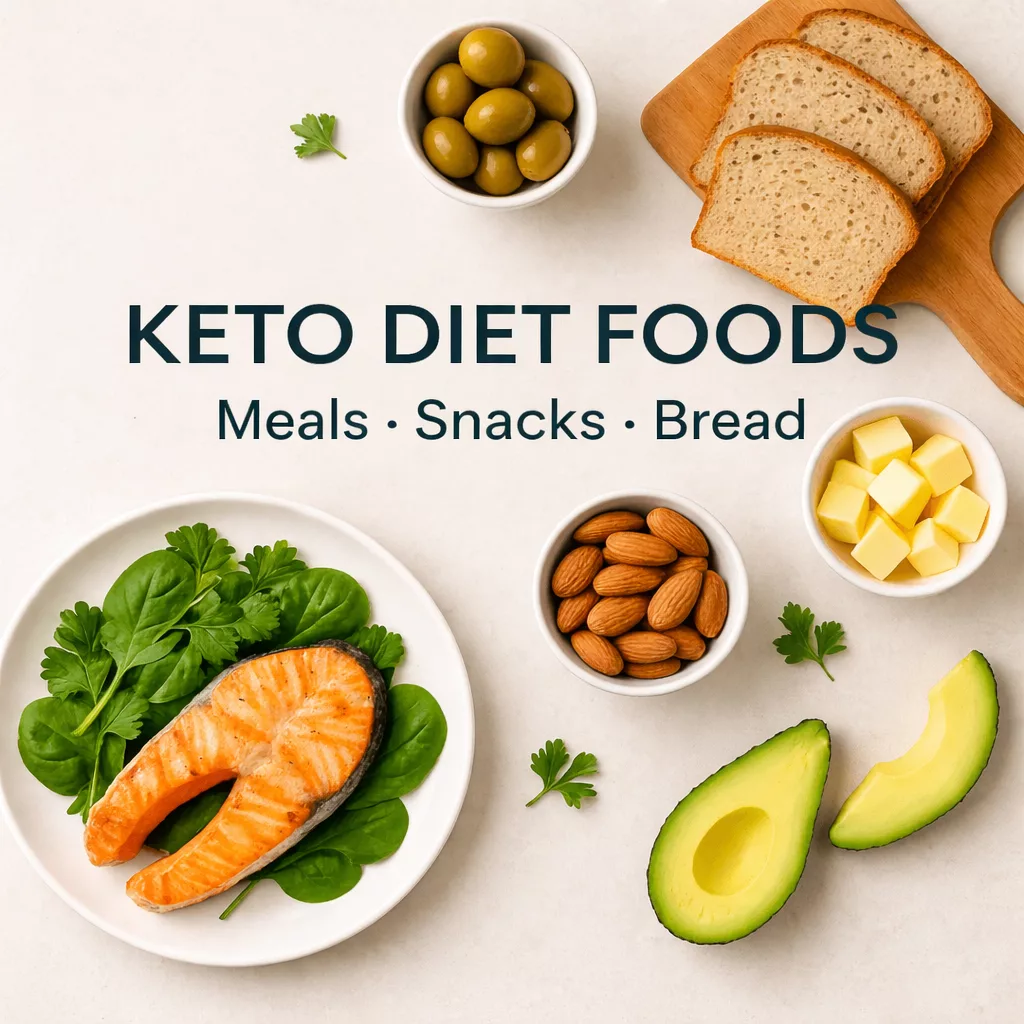
Healthy fats form the foundation of your daily intake. Prioritize olive oil and avocados; limit butter and coconut oil because they are high in saturated fat. Options include:
- Grass-fed butter and dairy
- Coconut oil
- MCT oil
- Extra virgin olive oil
- Avocados
These fats provide the energy your body needs while carbohydrate restriction encourages ketone production.
2. Moderate Protein Sources
Moderate protein sources help meet your protein needs and support satiety. Your best options include:
- Grass-fed beef and lamb
- Pasture-raised poultry
- Wild-caught fatty fish like salmon and mackerel
- Shellfish such as shrimp and crab
- Ground turkey from pasture-raised sources
3. Low-Carb Vegetables
Low-carb vegetables approved choices center on non-starchy, low-glycemic options. Leafy greens like spinach, kale, and arugula should become your go-to sides. Cruciferous vegetables including broccoli, cauliflower, and Brussels sprouts add fiber and nutrients without excessive carbs. Zucchini is also a great option, especially when prepared in a skillet with ground turkey.
4. Controlled Fruit Intake
Fruit intake needs careful management on keto. Berries, strawberries, raspberries, and blackberries offer antioxidants; keep portions small to fit your carbohydrate target. Avocados technically count as fruit and provide both healthy fats and fiber.
5. Full-Fat Dairy Products
Full-fat dairy products like heavy cream, Greek yogurt, and aged cheeses help you reach your fat macros while adding richness to meals.
6. Keto-Friendly Sweeteners
When you need sweetness, stick with stevia, erythritol, or monk fruit. Check sweetener blends for added sugar, dextrose, or maltodextrin. Maltitol can affect blood sugar, and sugar alcohols may cause digestive discomfort.
7. Hydration is Key
In addition to these components, it's crucial to stay hydrated during your keto journey. Incorporating a homemade electrolyte drink can be beneficial for maintaining hydration levels while following a ketogenic diet.
The Free 7-Day Keto Menu Overview
This keto meal plan free guide provides you with a complete week of balanced keto meals built around low-carb ingredients while enjoying diverse, satisfying foods. Each day follows a structured approach with breakfast, lunch, dinner, and strategic snacksthat you can adjust to your individual calorie and carbohydrate targets.
Daily Keto Meal Highlights
This sample seven-day menu uses the meal ideas above. Adjust portions to your needs and check carbohydrate content in sauces, dairy products, and packaged ingredients.
| Day | Breakfast | Lunch | Dinner |
|---|---|---|---|
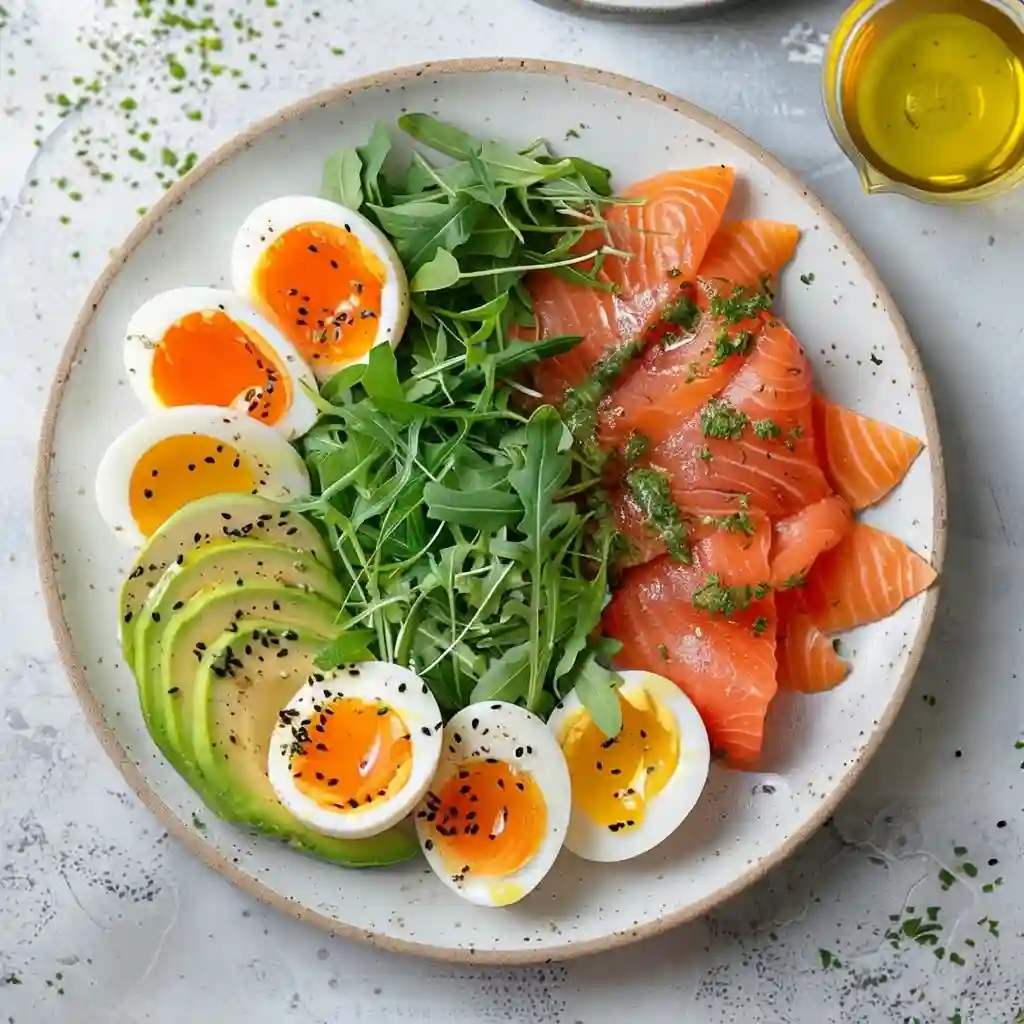
| 1 | Scrambled eggs with sautéed spinach | Tuna salad with mayonnaise over lettuce | Baked salmon with steamed broccoli |
| 2 | Hard-boiled eggs with avocado | Grilled chicken thighs with roasted Brussels sprouts | Pan-seared steak with cauliflower mash |
| 3 | Plain Greek yogurt with a small portion of raspberries and chia seeds | Leftover salmon over leafy greens with olive oil | Ground turkey skillet with zucchini |
| 4 | Spinach and cheese omelet | Tuna lettuce wraps with avocado | Grilled chicken thighs with broccoli |
| 5 | Scrambled eggs with avocado | Leftover ground turkey with zucchini | Baked salmon with roasted Brussels sprouts |
| 6 | Plain Greek yogurt with a measured portion of nuts | Chicken salad over lettuce | Pan-seared steak with sautéed spinach |
| 7 | Spinach omelet with avocado | Tuna salad over leafy greens | Grilled chicken with cauliflower mash |
Snacks are optional: choose from the ideas below if needed. This menu does not include calculated nutrition totals, so it does not guarantee a specific carbohydrate intake or ketosis.
For dinner, you might also consider adding some delicious classic hot wings or boneless wings to your menu. For a low-carb version, avoid flour-based breading and check sauces for added sugar.
Energizing Snacks Throughout the Day
To keep your energy stable between meals, here are some keto snacks ideas you can incorporate:
- Celery sticks with almond butter
- String cheese or cheese cubes
- Macadamia nuts (measured portions)
- Hard-boiled eggs with sea salt
Guilt-Free Sweet Treats
You can include occasional low-carb desserts if their carbohydrate content and portions fit your daily target. Think mocha chip cookies made with almond flour and sugar-free chocolate chips, or a decadent chocolate mousse whipped with heavy cream and sweetened with erythritol. Check the ingredients and serving size, since low-carb desserts still contribute calories and carbohydrates.
Additionally, for a refreshing side dish, consider trying out a carrot ribbon salad. It's quick, healthy and comes in four amazing variations that everyone loves. Keep carrot portions small and choose a dressing without added sugar to fit your carbohydrate target.
These diverse meal options ensure that your keto journey is not only effective but also enjoyable. You can even indulge in a sugar-free lemon blueberry pudding cake if its carbohydrate content per serving fits your daily target.
Tips for Maximizing Fat Loss on the Keto Diet Plan
Stay Hydrated
Hydration on keto becomes non-negotiable when you're burning fat for fuel. Drink water regularly; fluid needs vary with activity, climate, and health conditions. As your body depletes glycogen stores during the first week, you'll lose water weight along with essential minerals like sodium, potassium, and magnesium. Changes in fluid and electrolyte balance may contribute to “keto flu” symptoms: headaches, fatigue, muscle cramps, and brain fog that can derail your progress before you even start.
To support hydration and electrolyte balance on a keto diet, drink fluids regularly and include mineral-rich foods. Consult a healthcare professional before taking magnesium or potassium supplements, especially if you have kidney disease or take medication.
Incorporating Japanese Mounjaro drinks into your routine can also help with hydration while providing an energy boost. These drinks made with matcha, lemon, ginger, and honey are not only refreshing but also beneficial for daily wellness. For a low-carb version, omit the honey and check the carbohydrate content of any other additions.
Meal Prep Strategies
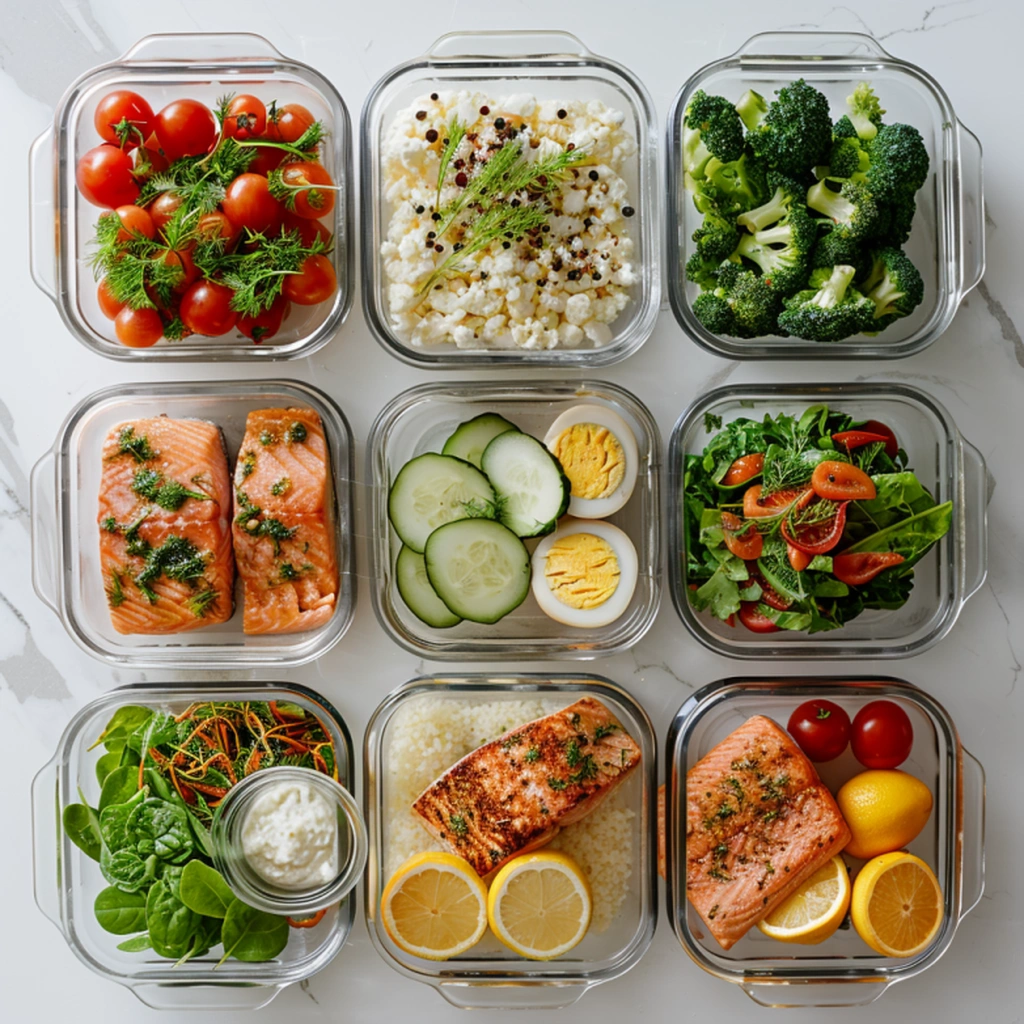
Meal prep strategies make or break your consistency on keto. You have two approaches, similar to what we cover in our Keto Meal Plan & Keto Meals Delivered guide:
- Batch cooking: Prepare 3-4 days' worth of meals at once, perfect if you have a busy schedule and limited time for daily cooking
- Fresh daily preparation: Cook each meal fresh if you enjoy variety and have flexible time
Both methods work as long as you stick to one that fits your lifestyle.
When it comes to meal options, consider incorporating rotisserie chicken into your diet. It's a versatile protein source that can be used in various dishes with portions and sauces adjusted to your macro targets.
Beware of Processed Foods
Processed foods marketed as “keto-friendly” often contain hidden sugars and starches that can increase your carbohydrate intake beyond your target. You need to read labels carefully and stick to whole, unprocessed ingredients. Check serving sizes, total carbohydrates, and calories rather than relying on a “keto-friendly” label.
Enhancing the Keto Experience with Supplements and Pantry Organization
Optional Supplements: What to Know
Exogenous ketones benefits extend beyond simply raising your ketone levels. These supplements provide an immediate source of ketones your body can use for energy, especially during the initial adaptation phase when you're transitioning into ketosis. Effects on mental clarity and energy vary; raising blood ketones does not demonstrate increased body-fat loss.
MCT oil can increase ketone production in your liver.MCTs (medium-chain triglycerides) are absorbed and transported to the liver more rapidly than most long-chain fats. You can add MCT oil to your morning coffee, blend it into smoothies, or use MCT powder as a convenient alternative when traveling. Start with one teaspoon daily and gradually increase to avoid digestive discomfort.
Transforming Your Kitchen for Keto Success
Your pantry setup directly impacts your ability to stick with the plan. Keto pantry essentials start with a complete cleanout, remove bread, pasta, rice, cereals, and any packaged foods containing hidden sugars. Replace these with:
- Almond flour and coconut flour for baking
- Sugar-free condiments and hot sauces
- Canned fish and grass-fed bone broth
- Nuts and seeds (almonds, macadamias, chia, flax)
- Dark chocolate (85% cacao or higher)
You'll find meal preparation becomes effortless when your kitchen contains only keto-approved options.
Monitoring Progress and Adjusting the Plan as Needed
Tracking ketosis progress becomes straightforward once you know what to look for. Some people report the following changes during keto adaptation, but they do not confirm ketosis: increased mental clarity, reduced hunger, steady energy levels throughout the day, and a slightly metallic taste in your mouth. You might notice your breath smells different, that's acetone, a ketone body being expelled. Weight loss typically accelerates during the first week as your body sheds water weight along with stored glycogen.
Possible changes during keto adaptation (not proof of ketosis):
- Decreased appetite and longer periods between meals
- Improved focus and concentration
- Consistent energy without afternoon crashes
- Better sleep quality
You can verify ketosis using ketone strips, blood ketone meters, or breath analyzers if you prefer concrete data. Blood meters provide the most accurate readings, while urine strips offer an affordable starting point for tracking ketosis progress.
Adapting Your Keto Diet Plan
Adapting keto diet plan requirements happens when your results plateau or your goals shift. If progress stalls or you suspect muscle loss, review your calorie and protein intake with a registered dietitian rather than applying a fixed percentage adjustment. Your carbohydrate limit and calorie and protein needs depend on your goals, activity level, and health status.
The 7-Day Keto Diet Plan: A Free Sample Menu serves as your foundation, not a rigid prescription. Sustainable weight loss strategies prioritize gradual adaptation over dramatic restriction. You can support sustainable habits by treating this plan as a learning experience, discovering which foods keep you satisfied and which portions fit your nutritional needs.
Enhancing Your Keto Journey with Recipes
Incorporating certain recipes can also enhance your keto journey. For instance, a pink salt recipe is an optional drink, not a treatment for digestion or weight loss; consider its sodium content. Additionally, integrating a bariatric seed recipe into your meals can provide a quick, nutritious source of protein and fiber essential for maintaining energy levels and overall health during your keto diet.
Conclusion
You now have everything you need to start keto today with this comprehensive 7-Day Keto Diet Plan: A Free Menu. This sample meal plan provides structure, variety, and practical strategies that make planning low-carb meals easier.
The long-term health effects of a keto diet depend on food choices and individual health, and remain under study.Some people report changes in energy, cravings, and mental clarity, but experiences vary. If you take diabetes medication, discuss carbohydrate restriction with your healthcare provider because medication adjustments may be needed.
Take the first step with confidence. You have the meal framework, the monitoring tools, and the adjustment strategies to make this work for your unique body and lifestyle. Start by checking whether this approach fits your needs and health circumstances.
FAQs
What is the ketogenic diet and how does it promote fat loss?
The ketogenic diet is a low-carb, high-fat eating plan that shifts your metabolism from burning carbohydrates to burning fat through a process called ketosis. By reducing carb intake and increasing healthy fats, the body lowers insulin levels, which may influence appetite; sustained fat loss also depends on overall calorie intake.
What is the ideal macronutrient ratio to follow on a keto diet?
There is no single ideal ratio for everyone. An illustrative breakdown is 75% fat, 20% protein, and 5% carbohydrates. Individual calorie, protein, and carbohydrate targets vary.
What types of foods should I include in a successful keto diet plan?
A successful keto plan includes fat sources such as olive oil and avocados, with butter and coconut oil limited; moderate protein sources such as grass-fed beef alternatives, poultry, fish, and shellfish; low-glycemic non-starchy vegetables; limited fruits focusing on berries and avocados; full-fat dairy products; and keto-friendly sweeteners like stevia, erythritol, or monk fruit.
How can I avoid common side effects like ‘keto flu' while following the keto diet plan?
To help manage possible ‘keto flu’ symptoms, it's important to drink plenty of water according to your individual fluid needs and replenish electrolytes through foods containing sodium, potassium, and magnesium; consult a healthcare professional before using electrolyte supplements. Staying hydrated and maintaining electrolyte balance supports energy levels and reduces side effects.
Are there supplements that can enhance my keto diet experience?
Yes. Supplements such as exogenous ketones and MCT oils or powders can raise ketone levels, but this does not demonstrate increased body-fat loss. Additionally, organizing your pantry by removing high-carb foods and stocking keto-friendly ingredients makes meal planning easier.
How do I monitor progress on the 7-day keto diet plan and adjust it for sustainable weight loss?
Physical cues do not confirm ketosis; optional ketone testing can measure ketone levels. Based on individual results and goals, you can adjust macronutrient ratios or calorie intake. Emphasizing sustainability over quick fixes can support long-term weight management.