Table of Contents
Table of Contents
I love cooking. Like genuinely. The chopping, the sizzling, the little taste tests over the sink.
But I also love not cooking sometimes.
Because life gets loud. Work runs late. Kids get hungry early. Your fridge has, somehow, three lemons and a half jar of pickles and that’s it. And in those moments, Healthy Food Dishes and Foods Delivered stop being trendy phrases and start feeling like… relief you can count on.
Still, it’s not always obvious what “healthy” really means when it arrives at your door through a Meal Delivery Service. Or how it fits into real-life meal planning, your weekly meal routine, or a realistic clean eating plan. And even more confusing, how do these services compare to your go-to meal prep ideas, meal prep recipes, or the healthy meal prep for the week you keep promising yourself you’ll start?
That’s where this comes in.
This is a practical guide to making sense of it all, from quick healthy meals delivered that save your busiest nights to smarter meal prep ideas for the week that actually stick. No perfection, no pressure, just real strategies that work whether you’re fully on the delivery train or blending it with home cooking.
And if you like the idea of mixing Foods Delivered with simple, flavorful meals at home, that’s exactly our approach at Easy Recipes Dash. Easy, flexible, and built for real life.
Note: This content is based on personal research and publicly available information about meal delivery services. It is intended for educational and informational purposes only and does not constitute medical or nutritional advice. Pricing, meal offerings, and nutritional information for delivery services are subject to change, always verify current details directly with the provider. “Healthy” is used here in a general sense; always review a service's specific ingredients and nutritional facts to confirm it fits your individual dietary needs. Always consult a doctor or registered dietitian if you have specific health conditions, allergies, or dietary restrictions before choosing a meal delivery service.

What “healthy meals delivered” actually covers (because it’s a wide umbrella)
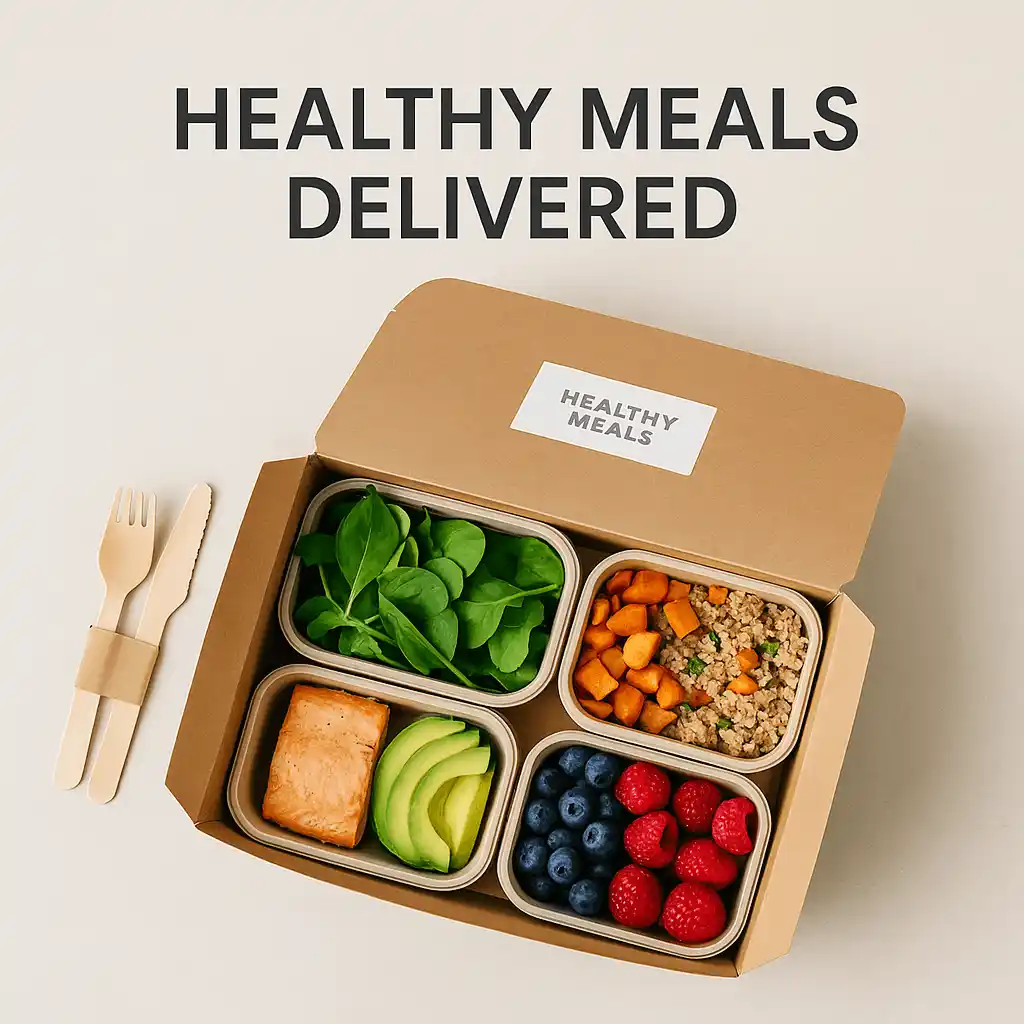
When people say “healthy meal delivery,” they can mean a few different things:
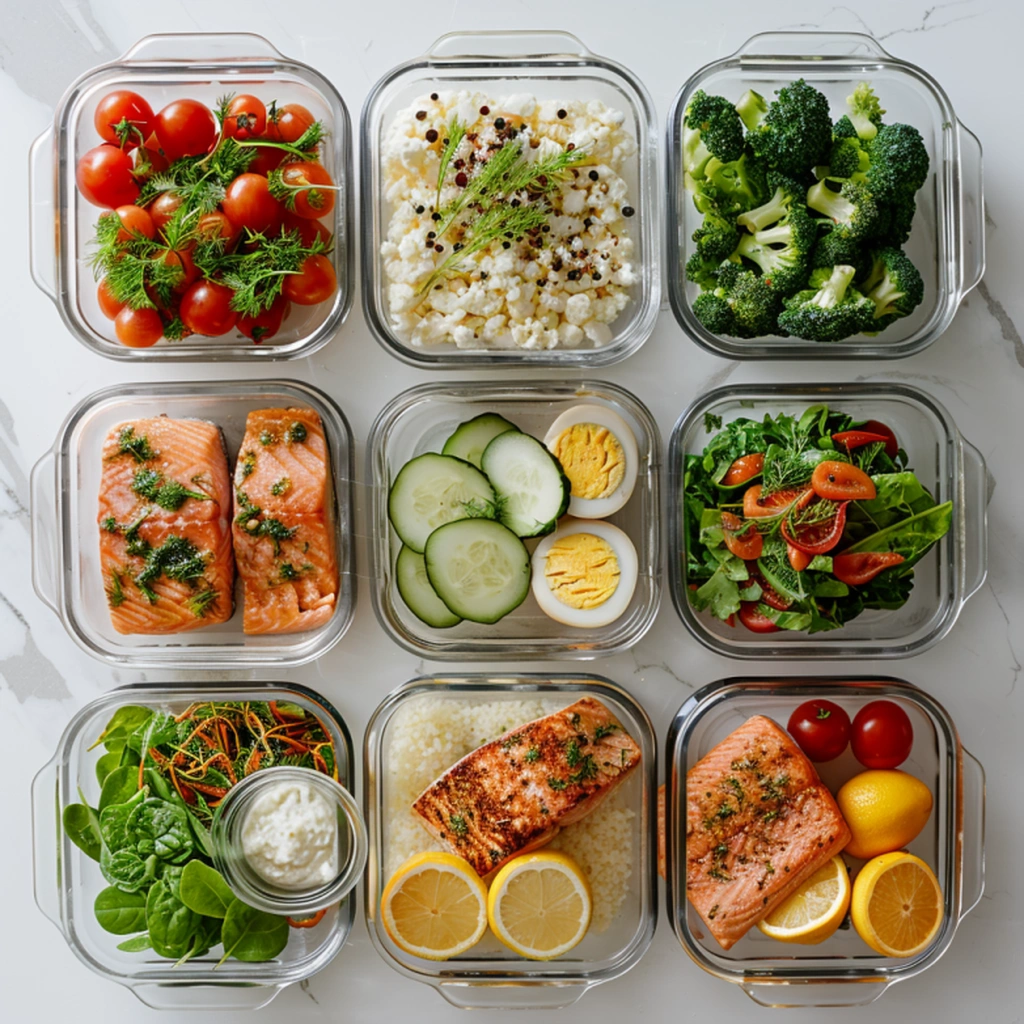
1) Fully prepared, heat and eat meals
These are the ones you microwave or warm in the oven. Usually single serve.
Best for: busy weeks, lunch at work, people who hate dishes.
Watch for: higher sodium, smaller portions than you expect, “diet-y” flavor.
2) Meal kits (you still cook, but everything shows up portioned)
You get ingredients plus instructions. You do the cooking.
Best for: learning to cook, weeknight structure, couples, families.
Watch for: time creep. A “20 minute” meal can become 45 if you’re tired.
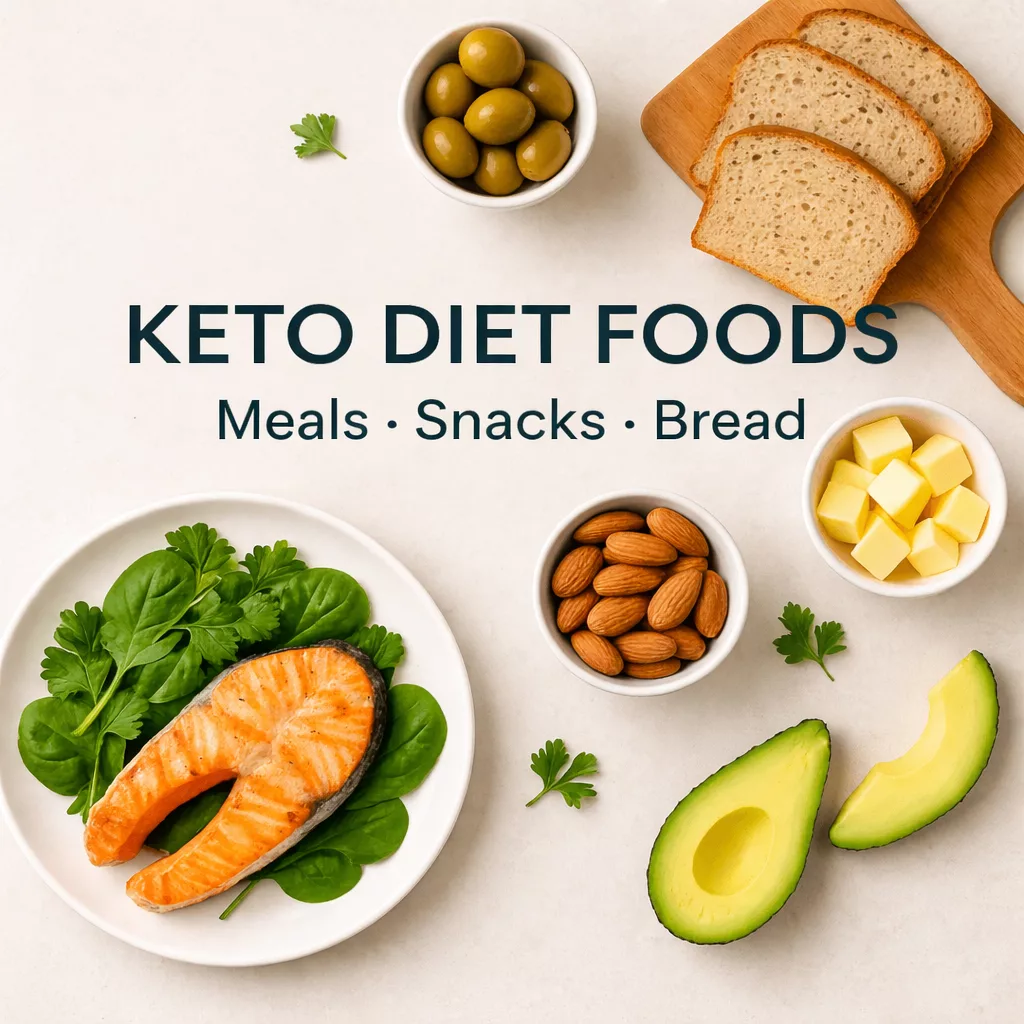
3) Specialty plans (keto, vegan, Mediterranean-ish, low FODMAP, etc.)
These can be either prepared meals or kits. The selling point is the diet style.
Best for: specific goals or restrictions.
Watch for: branding over substance. “Keto” does not automatically mean nutrient dense.
4) Local meal prep services (often found via local gyms, dietitians, small kitchens)
Sometimes the food is honestly better than the big national brands. Fresher too.
Best for: supporting local, simple menus, fewer preservatives.
Watch for: limited delivery days, shorter shelf life.
The real reasons people switch to healthy meals delivered
I used to think meal delivery was mostly for weight loss. It’s not.
Most people are buying:
- Decision fatigue removal (the “what are we eating” spiral)
- Portion structure (you stop free pouring olive oil at 9 pm)
- Time (obvious, but still)
- A reset week after travel, stress, a stretch of takeout
- Health support when cooking feels hard, physically or mentally
And honestly, sometimes you just need a bridge. Not a permanent plan. A bridge.
What to look for if you want actually Healthy Meals Delivered (not just “clean” marketing)
Let’s keep this simple. Here are the checks I use.
Look for meals that hit these basics
A good “everyday healthy” meal usually has:
- A real protein portion (beans, tofu, chicken, fish, turkey, eggs, Greek yogurt, lentils)
- Fiber (vegetables, legumes, whole grains, seeds)
- A fat source that isn’t just hidden cheese (olive oil, avocado, nuts, tahini)
- A normal amount of sauce (enough for flavor, not a sugar bomb)
If the menu is mostly “chicken + mash + tiny veg cup” it can still be fine, but it’s not automatically great. However, there are creative ways to prepare chicken that can make it a part of a healthier meal.
Check sodium (especially for prepared meals)
Prepared meals often creep high on sodium because that’s how you keep flavor consistent.
If you’re eating delivered meals frequently, this matters.
Quick benchmark: If a single meal is regularly 900 to 1,500 mg sodium, that’s a lot for one sitting. Not “bad,” just something to be aware of.
Check the fiber number
A lot of “healthy” meals are weirdly low in fiber. Like 2 grams. That’s not helping anyone.
Quick benchmark: Aim for 6 to 10 grams per meal when possible, especially for lunch or dinner.
Don’t get tricked by calorie obsession
Low calorie meals can be useful, but if you’re hungry an hour later, you’re just going to snack. Then you feel like you “failed.” You didn’t. The meal was just tiny.
If you want a sustainable rhythm, look for:
- decent protein
- decent fiber
- enough volume
Those three fix a lot.
Meal kits vs ready made: which one fits your life right now?
Here’s the question that cuts through everything:
Do you have the energy to cook, or just the time?
Because time and energy are different.
Choose ready made meals if:
- you’re in a stressful season
- you’re trying to avoid takeout
- you want easy lunches
- you need predictable portions
- you don’t want dishes
Choose meal kits if:
- you like cooking but hate planning
- you want fresher texture and better flavor
- you want family style portions
- you’re trying to build cooking skills without thinking too hard
And you can absolutely do a hybrid. A lot of people do. Ready made for lunches. Meal kits for dinners. Or delivered meals three days a week and easy pantry cooking the rest.
That hybrid approach is… kind of the sweet spot.
“Healthy” styles that tend to work well for delivery
Some food travels better than others. That’s just reality.
These are the styles I’ve found hold up really well:
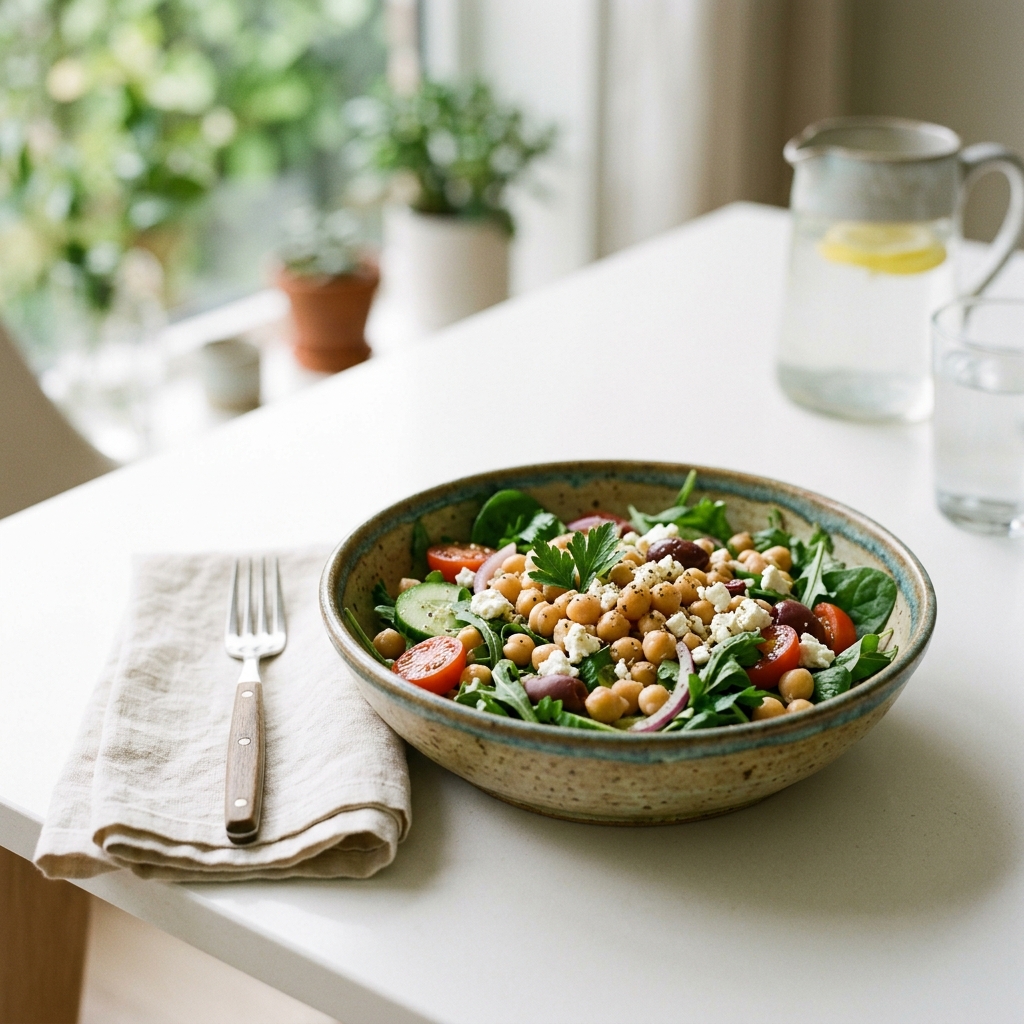
Mediterranean-ish bowls
Think grains, chickpeas, chicken, veggies, tahini sauces, olives, lemon. Even after reheating, it still tastes like something.
If you want inspiration to recreate that style at home too, Easy Recipes Dash has a bunch of lighter, flavor-forward ideas in the wellness lane: Easy Recipes Dash.
Stir fries and saucy proteins
Teriyaki-ish (not too sugary), ginger garlic chicken, tofu with veg. Sauces help the texture survive delivery.
Curries and stews
They reheat beautifully. Lentil dal, chicken curry, veggie stew. Usually higher fiber too.
Salad kits (not sad salads)
The good ones keep wet ingredients separate. You assemble. Crunch stays crunchy.
The sneaky downsides (and how to avoid them)
1) The meals are healthy… but you’re still hungry
This is the “tiny portion” problem.
Fix: Add a simple side at home:
- microwave rice cup
- extra steamed frozen veg
- a piece of fruit
- Greek yogurt
- a handful of nuts
It’s not cheating. It’s making the meal work.
2) Too much packaging guilt
Yeah. It’s real.
Fix: If it bothers you, choose:
- fewer deliveries per week
- local services with reusable containers (some do)
- meal kits that let you cook multiple servings in one go
Also, don’t let packaging guilt push you back into daily takeout. You’re allowed to choose the option that keeps you fed.
3) Flavor fatigue
Even good meals can start tasting the same. Especially “health” meals that lean on the same spices.
Fix: Keep a tiny flavor kit at home:
- hot sauce you love
- lemon or lime
- flaky salt
- chili crisp
- tahini or pesto
- a jar of pickled onions
Two spoonfuls can save the whole week.
4) You stop knowing how to feed yourself
This sounds dramatic but it happens. You get dependent on the box.
Fix: Use delivery as a support, not your whole identity. Pick one or two super easy home meals you can always make.
If you want some ideas that are actually doable, browse the quick, lighter meals on Easy Recipes Dash. The goal is not gourmet. It’s reliable.
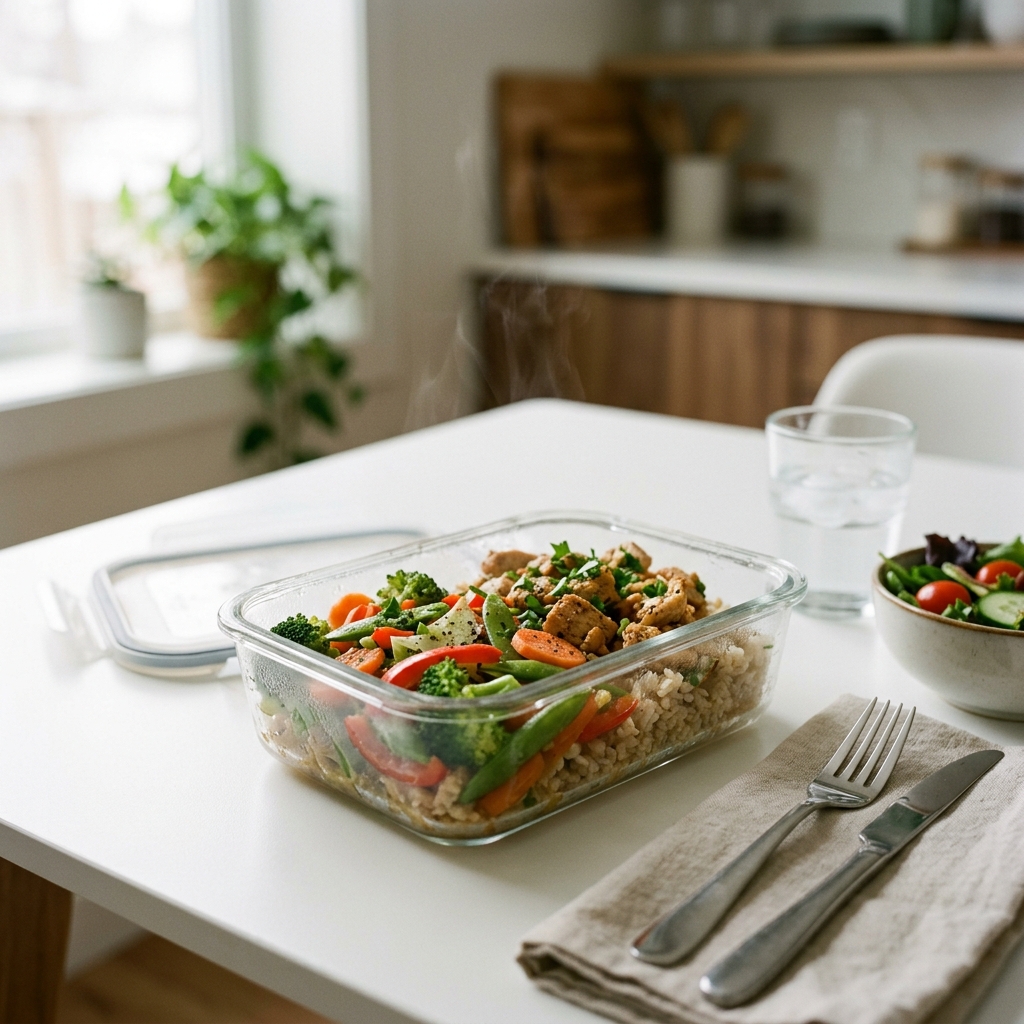
How to make delivered meals healthier without overthinking it
This part matters because most people don’t need a different service. They need small adjustments.
The “add fiber” rule
Delivered meals often skimp on vegetables.
Add one of these:
- a bagged salad
- microwaved frozen broccoli
- shredded cabbage with lemon and salt
- baby carrots + hummus
- a side of beans (even canned, rinsed)
The “protein check” rule
If the meal has only 15g protein and it’s supposed to be dinner, you might feel snacky later.
Easy add-ons:
- hard boiled eggs
- rotisserie chicken
- cottage cheese
- edamame
- Greek yogurt sauce
The “sauce split” trick
If the meal comes with sauce already mixed in and it’s heavy, eat half, then add your own acid (lemon, vinegar) and extra veg to stretch it.
It sounds small. It works.
Who healthy meal delivery is great for (and who might hate it)
You’ll probably love it if you are:
- trying to eat more balanced during a busy season
- managing portion sizes without counting everything
- learning what a “normal plate” looks like for you
- cutting down on takeout
- trying to increase protein and fiber with less planning
You might hate it if you:
- need big portions
- get bored easily
- hate reheated food texture
- have very specific dietary needs and the menus feel too generic
- actually enjoy grocery shopping and cooking (some people do, bless them)
If you’re in the second group, meal kits or a simple weekly cooking rhythm might fit better. Or just use delivery for lunches only.
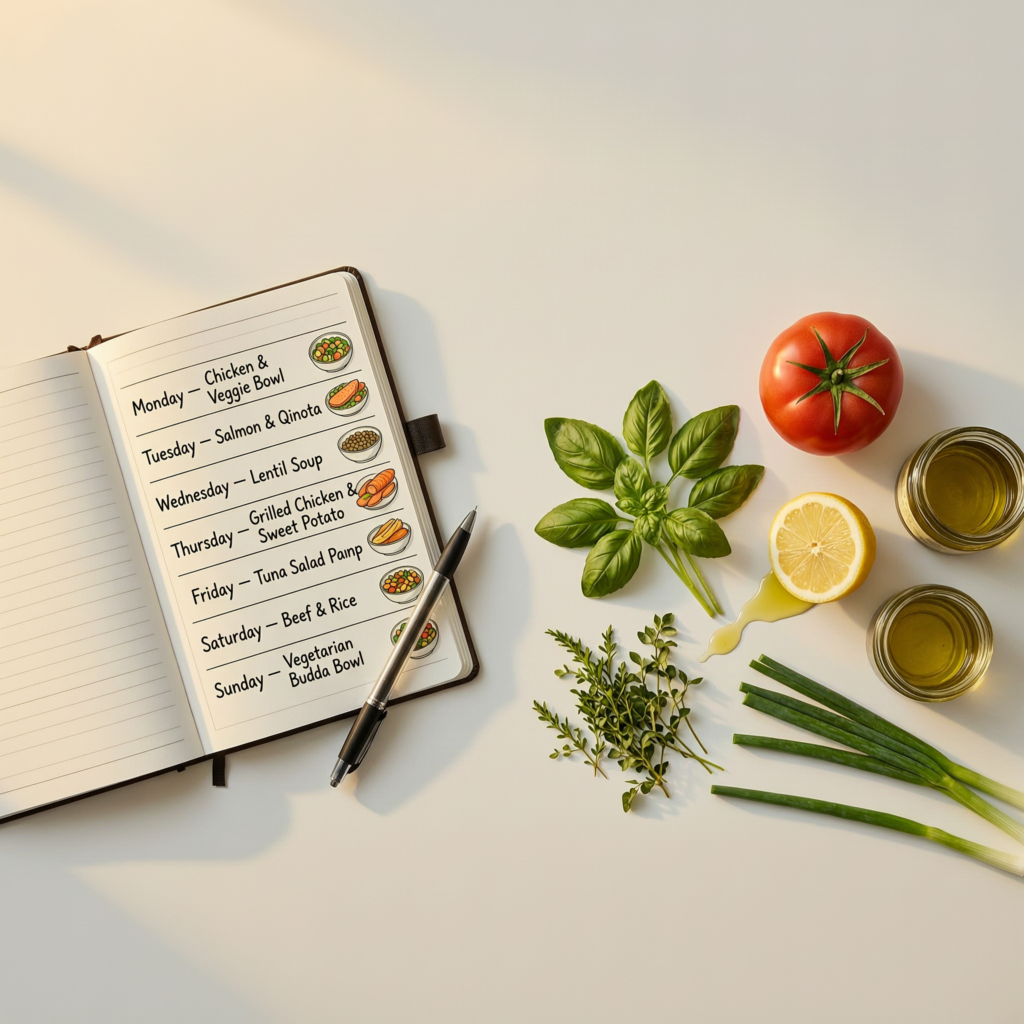
A simple way to choose a service without spiraling
You do not need to research for 10 hours. Try this instead:
Step 1: Pick your “use case”
- Lunches (Mon to Fri)
- Dinners (3 nights per week)
- Reset week (one week per month)
- Postpartum / recovery / high stress season
- Fitness support (higher protein)
Step 2: Decide cook vs heat
Be honest. Not aspirational.
Step 3: Pick 2 non-negotiables
Examples:
- vegetarian
- high protein
- gluten free
- low prep time
- low sodium
Step 4: Try one week and review like a normal person
Ask:
- Did I actually eat them?
- Did I feel satisfied?
- Did it reduce takeout?
- Did anything upset my stomach?
- Was the food enjoyable?
Enjoyable matters. If you hate it, it will die in your fridge, and you’ll eat cereal for dinner anyway.
What I do personally (a realistic “healthy meals delivered” setup)
Not every week. But when things get busy, I like a split:
- 2 to 4 delivered ready meals for lunches
- 2 easy dinners I can make fast (sheet pan, stir fry, big salad with protein)
- 1 “fun” meal out or takeout, intentionally
- snacks that actually support me: fruit, yogurt, nuts, hummus
The key is I’m not trying to force delivered meals to be my entire food life. I want them to make my life easier.
And on the cooking nights, I lean on simple recipes. That’s literally why Easy Recipes Dash exists, for the nights you want real food but not a complicated project.
FAQs
Are healthy meals delivered good for weight loss?
They can be, mostly because portions are controlled and decisions are removed. But weight loss depends on the overall week, not one boxed dinner. If you’re starving after meals, it’s not the right plan.
Are they good for building muscle or hitting protein goals?
Some services have high-protein options, but you still need to check the label. If most meals are under 25g protein, you’ll probably want add-ons.
What types of healthy meal delivery services are available?
Healthy meal delivery covers a wide range including fully prepared heat-and-eat meals, meal kits with portioned ingredients and instructions, specialty diet plans like keto or vegan, and local meal prep services often found through gyms or dietitians. Each type suits different needs from busy schedules to specific dietary goals.
Can I do this on a budget?
Meal delivery is rarely the cheapest option. The budget-friendly version is using it strategically: lunches only, a few dinners per week, or one “reset week” per month. Then cook simple meals the rest of the time.
Do they taste good?
Some do. Some taste like steamed motivation. The best approach is to try a short run and keep a couple flavor boosters at home.
Why do people switch to healthy meals delivered beyond weight loss?
People often choose healthy meals delivered to remove decision fatigue around ‘what to eat,' manage portion control, save time, reset after travel or stressful periods, and support their health when cooking feels challenging physically or mentally. It's frequently used as a flexible bridge rather than a permanent solution.
What should I look for to ensure delivered meals are truly healthy?
Look for meals that include a real protein portion (like chicken, beans, tofu), fiber-rich components (vegetables, legumes, whole grains), healthy fats (olive oil, avocado, nuts), and moderate sauce amounts. Also check sodium levels, ideally under 900 mg per meal, and fiber content aiming for 6 to 10 grams per serving to support satiety and nutrition.
How can I avoid falling for ‘clean eating' marketing when choosing meal delivery?
Be cautious of branding that emphasizes trendy diets without substance. Instead, focus on balanced nutrition basics: adequate protein, fiber, healthy fats, and reasonable sodium. Don't rely solely on calorie counts; instead prioritize meals that keep you full with volume and nutrient density.
Should I choose ready-made meals or meal kits based on my lifestyle?
Consider your energy versus time. If you're stressed or low-energy but have some time, ready-made heat-and-eat meals are best for easy lunches and predictable portions. If you enjoy cooking and want structure or learning opportunities, meal kits with pre-portioned ingredients suit couples or families wanting fresh cooking experiences.
Are local meal prep services better than national brands?
Local meal prep services often offer fresher food with fewer preservatives and can have better taste compared to big national brands. They support local businesses but may have limited delivery days and shorter shelf life. They're ideal if you prefer simple menus and want to support your community.
Conclusion
Healthy meals delivered can be a really smart tool. Not a magic fix. Not a moral choice. A tool.
If you pick a plan that matches your actual life, and you do a couple small tweaks like adding fiber or protein when needed, it can make your week feel calmer. Less chaotic food. More steady energy. Fewer last-minute drive-thru dinners you didn’t even want.
And if you want the other half of the puzzle, the simple home cooking side, come browse Easy Recipes Dash. Grab a few easy mains, a couple lighter sides, and suddenly meal delivery becomes something you use on purpose, not something you rely on.
That’s the goal, really. Fed. Good. Not stressed about it.