
Table of Contents
Table of Contents
You've probably heard that weight loss happens in the kitchen, and there's genuine truth to that statement. The foods you choose directly impact your ability to shed pounds and maintain a healthy weight. When you fill your cart with the right items, you're setting yourself up for success before you even step into your kitchen.
Nutrient-rich, low-calorie foods form the backbone of any effective weight loss strategy. These foods allow you to create the calorie deficit necessary for weight loss while simultaneously nourishing your body with essential vitamins, minerals, and fiber. You don't have to starve yourself or eat bland, boring meals. You simply need to know which foods work with your body rather than against it.
This comprehensive healthy food list serves as your essential grocery guide for weight loss. You'll discover which specific foods deserve a permanent spot in your shopping cart and why they're so effective for dropping pounds. From fiber-packed vegetables to satisfying healthy fats, this weight loss grocery guide covers the core food groups that support sustainable fat loss.
The nutrient-dense foods for weight loss featured here aren't just about cutting calories, they're about maximizing nutrition while minimizing empty calories. You'll learn how to shop smarter, eat better, and create lasting changes that transform your health from the inside out.
For instance, incorporating a simple pink salt recipe to lose weight into your morning routine can aid hydration and digestion, key factors in any weight loss journey.
Additionally, opting for rotisserie chicken instead of processed meats can provide you with lean protein without unnecessary calories.
And let's not forget about the joy of indulging in some boneless wings, a tasty treat that can be made healthier with the right recipes and cooking methods.
Note: This content is based on personal research and general nutrition information. It is intended for educational and lifestyle purposes only and does not constitute medical or dietary advice. Individual calorie and nutrient needs vary based on factors such as age, activity level, metabolism, and overall health. Always consult a doctor or registered dietitian before making significant dietary changes, especially if you have an underlying health condition or a history of disordered eating.
Understanding Weight Loss and Nutrition Basics
The Role of Calorie Deficit in Weight Loss
Calorie deficit is the key principle behind weight loss. It means consuming fewer calories than your body burns. When this happens, your body uses stored fat as energy. This basic idea is what makes every weight loss plan work, no matter what specific diet you choose.
How Metabolism Affects Calorie Burning
Your metabolism decides how many calories your body uses when you're at rest and when you're active. Certain foods can temporarily increase your metabolic rate, protein takes more energy to digest compared to carbohydrates or fats, which is known as the thermic effect of food. Research has also shown that spicy foods with capsaicin and green tea with catechins may have small metabolic benefits.
Choosing Foods Wisely: Nutrient Density vs. Energy Density
Understanding the difference between nutrient density and energy density can greatly influence your food choices. Nutrient-dense foods are packed with vitamins, minerals, and beneficial compounds but have relatively few calories, examples include spinach, berries, and salmon. On the other hand, energy-dense foods contain a lot of calories in small amounts, like cookies or fried foods. It's important to prioritize nutrient-dense options that nourish your body without exceeding your calorie limit.
The Power of Satiety in Controlling Hunger
Satiety, or the feeling of fullness, is an effective tool in preventing overeating. Foods that are high in fiber and water content take up more space in your stomach, activating stretch receptors that send signals of fullness to your brain. For instance, a big salad with grilled chicken has significantly fewer calories than a small burger but can keep you satisfied for several hours.
The Importance of Understanding Your Body's Responses
It's essential to recognize that everyone's body responds differently to various dietary changes. Factors such as genetics, lifestyle, and even psychological aspects can influence how effective certain weight loss strategies are for different individuals. Therefore, it's crucial to adopt a personalized approach to weight loss that takes into account these unique factors.
Moreover, understanding the mechanisms involved in energy balance can provide deeper insights into how our bodies manage weight. This includes not only calorie intake and expenditure but also how our bodies metabolize different types of food.
Additionally, it's worth noting that the type of food we consume plays a significant role in our overall health and weight management journey. By making informed choices about what we eat, we can better support our body's nutritional needs while still achieving our weight loss goals.
Core Food Groups for Weight Loss Grocery List
Building your shopping cart with the right foods transforms weight loss from a struggle into a sustainable lifestyle. The foundation of your Healthy Food List: The Essential Grocery Guide for Weight Loss starts with understanding which food groups deliver maximum nutrition with minimal calories. Each category serves a specific purpose in supporting your calorie deficit while keeping you satisfied and energized.
Vegetables: Fiber-Rich Low-Calorie Staples (Leafy Greens, Cruciferous Vegetables)
Leafy greens stand as the undisputed champions of low-calorie vegetables. Spinach, kale, arugula, Swiss chard, and romaine lettuce pack extraordinary amounts of vitamins A, C, and K while containing almost negligible calories. You can eat massive portions of these greens, we're talking several cups, and barely make a dent in your daily calorie budget. I personally consume at least two cups of raw spinach daily in my smoothies, and another cup or two in salads or cooked dishes.
The dietary fiber content in leafy greens plays a dual role in weight loss:
- Fiber slows down digestion, which means you feel fuller for longer periods after eating.
- It feeds beneficial gut bacteria that influence everything from inflammation to metabolism.
When you fill half your plate with leafy greens at each meal, you're naturally crowding out higher-calorie options.
Cruciferous vegetables bring their own set of powerful benefits to your weight loss journey:
- Broccoli: Contains only 31 calories per cup while delivering 2.4 grams of fiber and significant amounts of vitamin C
- Cauliflower: Incredibly versatile at 25 calories per cup, perfect for creating low-calorie alternatives to rice or mashed potatoes
- Brussels sprouts: Provide 38 calories per cup with 3.3 grams of fiber and compounds that support detoxification
- Cabbage: Costs pennies per serving at just 22 calories per cup, making it budget-friendly for weight loss
The fiber in these cruciferous vegetables creates bulk in your stomach without adding calories. This mechanical fullness triggers satiety signals to your brain, reducing the likelihood of overeating. I've found that starting lunch or dinner with a large salad containing both leafy greens and raw cruciferous vegetables significantly reduces how much I eat during the rest of the meal.
Lean Protein Sources: Essential for Muscle Maintenance
Lean protein sources deserve equal attention on your grocery list. Chicken breast, turkey, white fish, and egg whites provide essential amino acids for muscle maintenance during weight loss. These low saturated fat proteins enhance satiety without excessive calories, helping you preserve lean muscle mass while losing fat.
Fruits: Nutrient-Dense Natural Sweetness
Fruits are packed with nutrients and relatively low in calories. They provide essential vitamins, minerals, and antioxidants that aid your body's metabolism during weight loss. Unlike processed sweets that cause rapid spikes in blood sugar, the natural sugars in fruits come with fiber, which slows down digestion and keeps blood sugar levels stable.
Best fruit choices for your weight loss grocery list:
- Berries (strawberries, blueberries, raspberries): These fiber-rich fruits contain high levels of antioxidants while staying under 85 calories per cup
- Apples and pears : The soluble fiber in these fruits promotes lasting fullness between meals
- Citrus fruits (oranges, grapefruits): Packed with vitamin C and water content that helps with hydration and satiety
- Stone fruits (peaches, plums): Low in calories yet satisfying as snacks or dessert alternatives
- Watermelon and cantaloupe: High water content makes these filling options with minimal calorie impact
You can use fruits as energy boosters before workouts, healthy desserts after meals, or convenient snacks throughout the day. The micronutrients found in fruits support your immune system and help repair cells, which is especially crucial when you're consuming fewer calories. To create balanced snacks that provide sustained energy and support muscle maintenance during your weight loss journey, try pairing fruits with lean protein sources like Greek yogurt or a handful of nuts.
Legumes and Beans: Plant-Based Protein and Fiber Powerhouses
When you're building your Healthy Food List: The Essential Grocery Guide for Weight Loss, legumes and beans deserve a prominent spot alongside your leafy greens and cruciferous vegetables. These plant protein sources deliver a powerful combination that makes them exceptional for weight management.
Beans and lentils provide sustained energy through their unique nutritional profile. A single cup of cooked lentils contains approximately 18 grams of protein and 15 grams of dietary fiber, creating a dual-action effect that keeps you satisfied for hours. This combination works differently than lean protein sources like chicken breast or fish, while those excel at muscle maintenance, legumes for weight loss offer additional benefits through their complex carbohydrate structure.
The blood sugar regulation aspect sets these plant-based options apart. Unlike refined carbohydrates that spike your glucose levels, beans release energy gradually. This steady release prevents the energy crashes that trigger cravings and overeating. You'll notice you can go longer between meals without feeling hungry when you include black beans, chickpeas, or kidney beans in your diet.
Key varieties to stock in your pantry:
- Lentils (red, green, brown): cook quickly and absorb flavors well
- Black beans: versatile for salads, soups, and side dishes
- Chickpeas: perfect for roasting as snacks or blending into hummus
- Kidney beans: excellent fiber content and hearty texture
- White beans: mild flavor that complements low-calorie vegetables
These low saturated fat proteins support satiety while providing essential nutrients like iron, folate, and magnesium that your body needs during a calorie deficit.
Incorporating these ingredients into your meals can lead to healthier eating habits. For instance, using sugar-free alternatives in desserts can significantly reduce calorie intake while still satisfying sweet cravings. Additionally, exploring recipes like the Japanese Mounjaro, which utilizes beneficial ingredients such as matcha and ginger, can further enhance your diet by providing energy and wellness benefits.
Whole Grains: Sustained Energy with Fiber Benefits
Whole grains deserve a prominent spot in your Healthy Food List: The Essential Grocery Guide for Weight Loss because they provide complex carbohydrates that your body digests slowly, preventing blood sugar spikes and crashes that trigger hunger. Unlike refined grains stripped of their bran and germ, whole grains retain their fiber content and essential nutrients that support your weight loss efforts.
Oats: The Breakfast Champion
Oats stand out as a breakfast champion, delivering beta-glucan fiber that forms a gel-like substance in your digestive system to enhance satiety. You'll stay satisfied for hours after a bowl of steel-cut or rolled oats, making it easier to maintain your calorie deficit without feeling deprived.
Quinoa: The Quick-Cooking Pseudo-Grain
Quinoa brings a complete protein profile alongside its whole grain benefits, offering all nine essential amino acids your body needs for muscle maintenance during weight loss. This pseudo-grain cooks quickly and absorbs flavors beautifully, making meal prep effortless.
Brown Rice: The Fiber-Rich Comfort Food
Brown rice provides the familiar comfort of white rice while delivering three times the fiber content. The bran layer contains B vitamins and minerals that support your metabolism, helping your body efficiently convert food into energy rather than storing it as fat.
These whole grains share a common advantage: their high dietary fiber content slows digestion, stabilizes blood sugar levels, and keeps you feeling full between meals. You'll naturally consume fewer calories throughout the day when you build your meals around these nutrient-dense complex carbohydrates rather than their refined counterparts.
Healthy Fats: Essential Nutrients that Promote Fullness (Avocados, Nuts/Seeds, Olive Oil)
Fat doesn't make you fat, the right kinds actually help you lose weight. Healthy fats sources like avocados, nuts, seeds, and extra virgin olive oil are non-negotiable components of your weight loss grocery list. These heart-healthy fats work differently than the saturated fats found in processed foods.
Avocados: The Creamy Secret to Satiety
When you include avocados in your meals, you're adding monounsaturated fats that keep you satisfied for hours. I've noticed that adding half an avocado to my lunch prevents those mid-afternoon snack attacks that used to derail my progress. The creamy texture and rich flavor make meals more enjoyable, which matters when you're maintaining a calorie deficit long-term.
Nuts and Seeds: Tiny Powerhouses of Nutrition
Nuts and seeds, particularly almonds, walnuts, chia seeds, and flaxseeds, pack omega-3 fatty acids and protein alongside their healthy fat content. A small handful (about 1 ounce) provides enough satiety to bridge the gap between meals without excessive calories. For instance, a healthy seed mix packed with protein, fiber, and essential nutrients can be a great addition to your diet. Chia seeds absorb water and expand in your stomach, creating that fullness sensation that prevents overeating.
Extra Virgin Olive Oil: The Liquid Gold for Cooking
Extra virgin olive oil deserves a permanent spot in your kitchen. Use it for cooking vegetables or as a salad dressing base. The polyphenols in quality olive oil support metabolic health and reduce inflammation, both crucial factors in sustainable weight management.
These fats slow digestion, which stabilizes blood sugar levels and prevents the energy crashes that trigger cravings. You'll find yourself naturally eating less when your meals include appropriate portions of these nutrient-dense options.
Incorporating these healthy fats into your diet can be as simple as preparing a ground turkey and zucchini skillet or whipping up a refreshing carrot ribbon salad. These meals not only taste delicious but also align perfectly with your weight loss goals.
Remember to stay hydrated while on this journey; making a homemade electrolyte drink can be beneficial for your overall health during this process.
Practical Tips for Grocery Shopping to Support Weight Loss
Walking into a grocery store without a plan sets you up for impulse purchases that derail your weight loss goals. I've learned that strategic shopping makes the difference between filling your cart with nutrient-dense foods versus processed items that sabotage your calorie deficit.
1. Shop the perimeter first
You'll find fresh produce, lean proteins, and dairy products along the outer edges of most stores. The center aisles typically house processed foods with added sugars, unhealthy fats, and empty calories. When you do venture into those middle sections, stick to specific items like whole grains, canned beans, and olive oil.
2. Create your meal plan before shopping
I dedicate 15 minutes each week to planning meals around the essential food groups we've discussed. This approach keeps you consistent with your calorie deficit while ensuring you get adequate nutrients. Write down breakfast, lunch, dinner, and snack ideas, perhaps a healthy version of hot wings or a comforting Chicken Cheez, then build your shopping list from there.
3. Read nutrition labels strategically
Compare similar products and choose options with higher fiber content, lower added sugars, and minimal ingredients you can actually pronounce. A product marketed as “healthy” doesn't always align with your weight loss goals.
4. Buy in bulk when practical
Dried beans, whole grains, nuts, and seeds often cost less in larger quantities. You'll save money while keeping your pantry stocked with meal planning healthy foods that support your weight loss journey.
The Mediterranean Diet Framework for Sustainable Weight Loss (Plant-Based Diet Benefits)
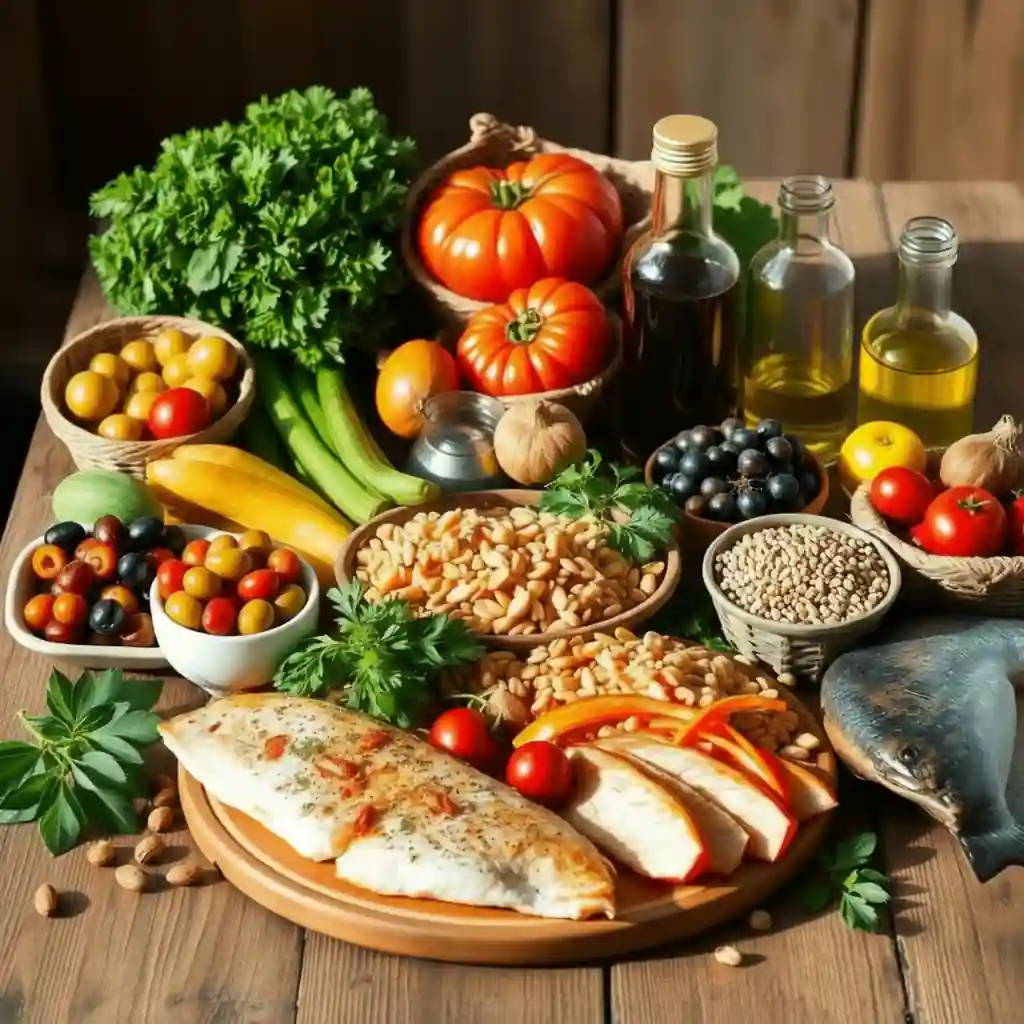
The Mediterranean diet weight management approach centers on abundant plant-based whole foods that naturally support your weight loss journey. This eating pattern prioritizes vegetables, fruits, legumes, whole grains, nuts, and seeds, all foods rich in fiber and antioxidants that keep you satisfied while maintaining a calorie deficit.
Key components of this dietary framework include:
- Plant foods as the foundation: You'll fill most of your plate with vegetables, fruits, beans, and whole grains that provide volume without excessive calories
- Moderate fish consumption: Salmon, sardines, and mackerel deliver omega-3 fatty acids that support metabolic health and reduce inflammation
- Limited animal products: Red meat appears sparingly, while processed meats are minimized or eliminated entirely
- Healthy fats from whole sources: Extra virgin olive oil, nuts, and avocados provide essential nutrients without derailing your calorie goals
This Healthy Food List: The Essential Grocery Guide for Weight Loss aligns perfectly with Mediterranean principles. You're not following a restrictive diet that eliminates entire food groups. Instead, you're choosing nutrient-dense options that naturally regulate appetite and support long-term adherence.
The Mediterranean approach succeeds where fad diets fail because it's sustainable. You can maintain this eating pattern for years, not just weeks. The emphasis on whole foods means you're getting maximum nutrition from every calorie, which prevents the nutrient deficiencies that often sabotage weight loss efforts.
Conclusion
Your journey towards healthy eating habits weight loss success begins with the choices you make at the grocery store. This Healthy Food List: The Essential Grocery Guide for Weight Loss provides you with the necessary information to fill your cart with nutrient-dense foods that support your goals.
Smart food choices work best when combined with regular physical activity. You don't have to run marathons, consistent movement like walking, swimming, or strength training enhances the benefits of your nutritious diet. This combination creates a powerful effect for burning calories and building lean muscle.
Sustainable changes are always better than quick fixes. You're not looking for a temporary solution; you're trying to establish habits that last a lifetime. When you fill your kitchen with vegetables, fruits, whole grains, legumes, and healthy fats, you're investing in your long-term health. These foods not only aid in weight loss but also reduce inflammation, boost energy levels, and protect against chronic diseases.
Start by using this guide for one shopping trip. Pay attention to how you feel, how your energy improves, and how your relationship with food changes when you prioritize quality nutrition.
FAQs
Why is choosing the right foods important for effective weight loss?
Choosing the right foods is essential for effective weight loss because nutrient-rich, low-calorie foods support a calorie deficit while promoting overall health. These foods help maintain energy levels, improve metabolism, and reduce hunger, making it easier to lose weight sustainably.
What is a calorie deficit and why is it fundamental to weight loss?
A calorie deficit occurs when you consume fewer calories than your body burns, which forces your body to use stored fat for energy. This process is the foundation of weight loss, as maintaining a calorie deficit leads to gradual and sustainable fat reduction.
Which core food groups should be included in a weight loss grocery list?
An effective weight loss grocery list includes lean protein sources (like eggs, fish, chicken breast), fiber-rich leafy greens and cruciferous vegetables (such as spinach, kale, broccoli, cauliflower), nutrient-dense fruits, legumes and beans for plant-based protein and fiber, and whole grains like oats, quinoa, and brown rice that provide sustained energy with fiber benefits.
How do lean proteins support muscle maintenance and satiety during weight loss?
Lean proteins help preserve muscle mass during weight loss by providing essential amino acids needed for muscle repair. Additionally, protein increases feelings of fullness or satiety, which reduces overeating and helps control calorie intake.
What role do fiber-rich vegetables play in digestion and appetite control?
Fiber-rich vegetables such as leafy greens and cruciferous vegetables aid digestion by promoting healthy bowel movements and gut health. Their high fiber content also increases feelings of fullness, helping to reduce hunger and prevent overeating during weight loss.
Why are whole grains preferred over refined grains when aiming for weight loss?
Whole grains like oats, quinoa, and brown rice contain complex carbohydrates and higher fiber content compared to refined grains. This combination provides sustained energy release, improves satiety, stabilizes blood sugar levels, and supports overall digestive health, all beneficial factors for effective weight loss.