
Table of Contents
Table of Contents
If you’ve ever looked up “Low Cholesterol Diet” online, you’ve probably seen two extremes.
One side is all fear. No eggs. No cheese. No joy.
The other side is basically “just eat clean” which, okay… but what does that mean on a Tuesday night when you’re tired and hungry?
So let’s do this in a way that actually works in real life.
This is a practical, food first guide to eating in a more cholesterol friendly way. Not perfection. Not punishment. Just better patterns. And yeah, still flavorful.
On Easy Recipes Dash, we lean into exactly this style of cooking: simple home meals that feel like comfort food, but gently nudge things lighter and more heart friendly when it makes sense.
Note: This content is based on personal research and general nutrition information. It is intended for educational and lifestyle purposes only and does not constitute medical advice. Cholesterol management varies significantly by individual, including genetic factors, and dietary changes may not be sufficient on their own for everyone. Supplements such as fish oil, plant sterols, or red yeast rice can interact with medications, including statins. Always consult a doctor before starting any supplement or making significant dietary changes if you have high cholesterol, take cholesterol-lowering medication, or manage another health condition.

First, what “low cholesterol diet” actually means
Most of the time, when people say “low cholesterol diet,” they’re really aiming for one or both of these:
- Lower LDL cholesterol (the one doctors usually want down)
- Improve overall heart markers by changing the mix of fats, fiber, and ultra processed foods
Here’s the key thing: dietary cholesterol isn’t the main driver for many people. For some, it matters more. For others, it barely moves the needle. The bigger lever, usually, is:
- Saturated fat
- Soluble fiber
- Overall diet pattern (Mediterranean style tends to show up a lot for a reason)
So if you take only one thought from this article, take this:
You’re not trying to eat “cholesterol free.” You’re trying to eat in a way that helps your body manage cholesterol better.
In fact, adopting certain dietary patterns such as a low-carb keto diet, following a structured keto diet plan, or even exploring an anti-inflammatory diet could be beneficial in managing cholesterol levels effectively while still enjoying flavorful meals.
The big nutrition levers (the stuff that actually helps)
1) Cut back on saturated fat, but do it surgically
Saturated fat tends to raise LDL in a lot of people. You don’t have to eliminate it, but you want to be intentional.
Common sources:
- Fatty red meat (especially processed meats)
- Butter, ghee
- Full fat cheese, cream, ice cream
- Coconut oil (yes, even though it’s trendy)
- Many pastries and packaged snacks
A realistic approach:
- Keep cheese as a garnish, not the main character.
- Swap some red meat meals for fish, beans, or chicken.
- Use olive oil more often than butter.
2) Eat more soluble fiber (quietly powerful)
Soluble fiber helps reduce LDL by binding bile acids in the gut. Less bile acids means your body pulls more cholesterol from the blood to make more. Simple, kind of amazing.
Best sources:
- Oats, barley
- Beans and lentils
- Chia and ground flax
- Apples, pears
- Brussels sprouts, carrots
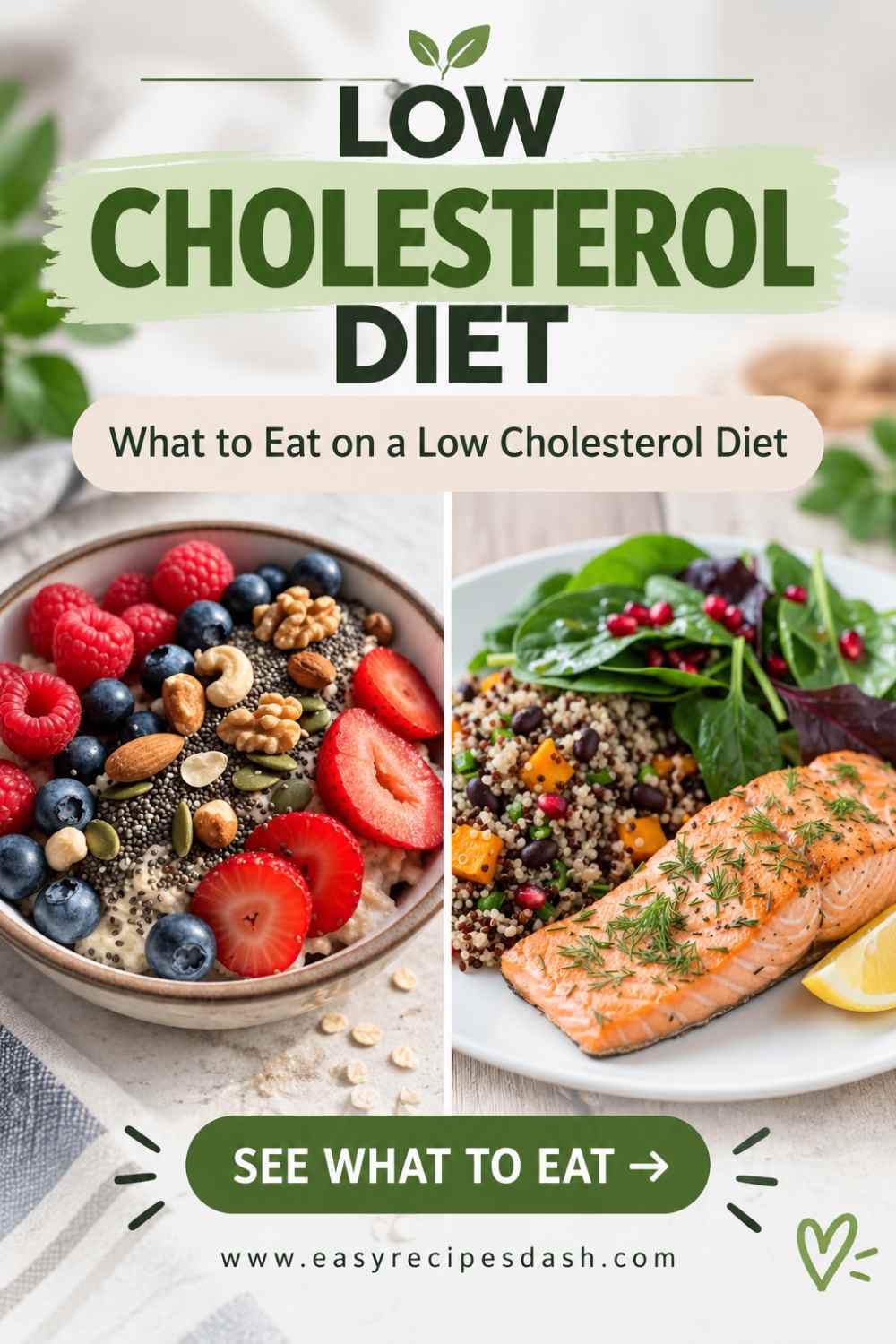
Easy win: oatmeal + berries + chia a few times a week. Not glamorous. But it works.
3) Choose unsaturated fats more often
These are the fats that tend to help heart markers when they replace saturated fats.
Great options:
- Extra virgin olive oil
- Avocado
- Nuts and seeds
- Fatty fish (salmon, sardines, trout)
- Natural nut butters (watch added sugar)
4) Watch ultra processed foods (even if they’re “low fat”)
A lot of “heart healthy” labels hide the usual suspects. Refined carbs, added sugars, and weird oils in a snack that somehow still has 250 calories.
If the food is doing too much. Pretending too hard. It’s usually not helping.
Foods to focus on (your low cholesterol grocery backbone)
Here’s the stuff that makes this diet feel easy because it gives you building blocks.
Everyday staples
- Old fashioned oats
- Brown rice, quinoa, farro, barley
- Beans (canned is fine, rinse them)
- Lentils (red lentils cook fast)
- Olive oil
- Garlic, onions, lemons (flavor matters)
Produce that does heavy lifting
- Leafy greens
- Cruciferous veggies (broccoli, Brussels sprouts, cabbage)
- Berries
- Apples, pears, citrus
- Tomatoes, peppers, cucumbers
Protein options that fit well
- Salmon, tuna, sardines (fresh or canned)
- Chicken breast or thighs (skinless if you’re focusing on saturated fat)
- Tofu, tempeh
- Greek yogurt (nonfat or low fat if you’re specifically limiting sat fat)
- Eggs (more on this below)
Snacks that don’t wreck your day
- Nuts (a small handful, not the whole bag)
- Hummus + veggies
- Fruit + a spoon of peanut butter
- Air popped popcorn + olive oil spray + spices

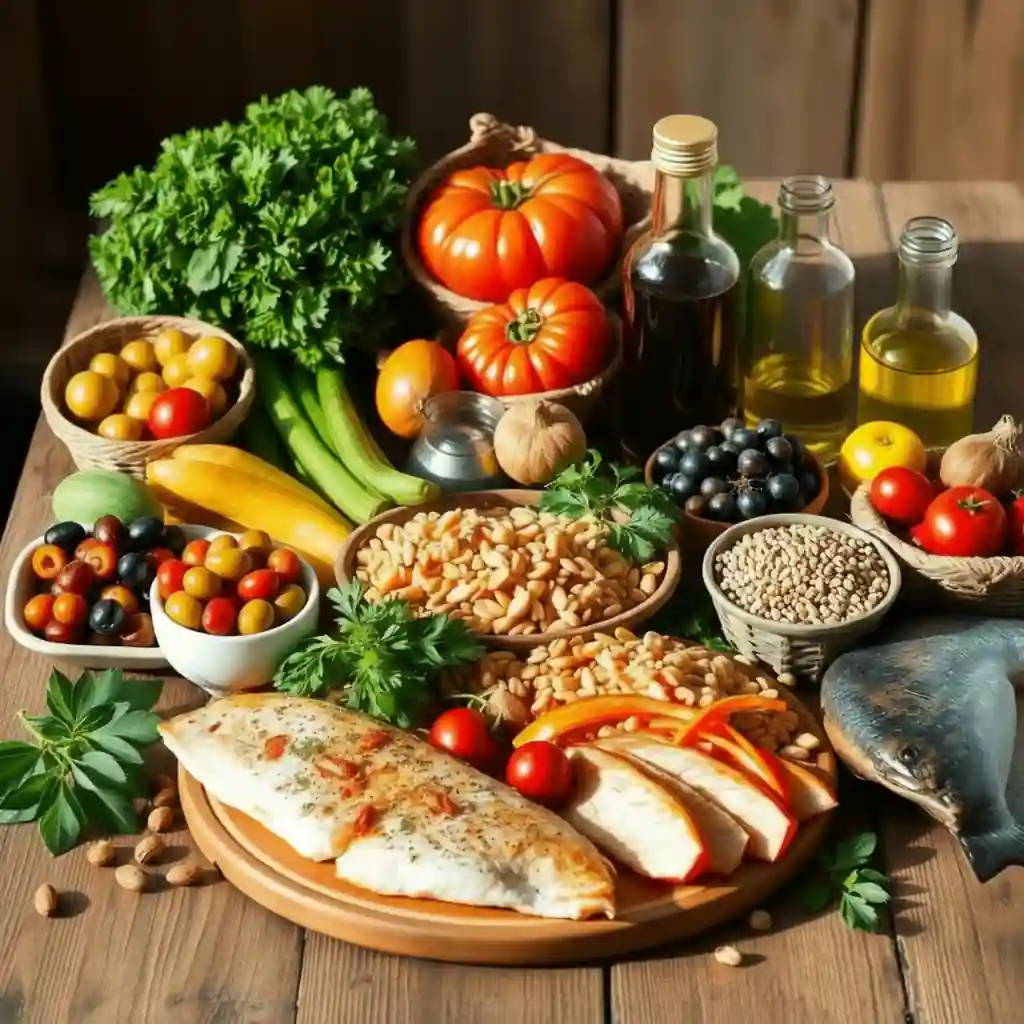
Incorporating these foods into your diet can make it easier to manage your health. For instance, the Mediterranean diet pyramid emphasizes whole foods and healthy fats which align with our suggested staples.
Alternatively, if you're interested in a more structured approach to weight loss while still enjoying a variety of foods, you might want to consider exploring the Noom diet.
For those who prefer a more plant-based focus in their meals, the Pegan diet could be an excellent option. This diet combines aspects of both paleo and vegan diets for a balanced approach to eating.
Regardless of which dietary plan you choose to follow, whether it's our suggested low cholesterol grocery list or one of the aforementioned diets – remember that consistency is key. These are merely diet plans and weight loss programs that can guide you towards healthier eating habits.
Foods to limit (without turning meals sad)
This isn’t a “never again” list. It’s a “not every day” list.
- Processed meats (sausage, deli meats)
- Deep fried foods
- Butter heavy cooking
- Cream based sauces
- Large portions of cheese
- Bakery desserts and packaged sweets
- Fast food, especially burgers and fries combos
A helpful mindset: keep your favorites. Just reduce frequency and portion size.
Like, pizza can still exist. It just can’t be the main plan three nights a week.
What about eggs, shrimp, and dietary cholesterol?
This is the part people argue about at family dinner.
Eggs and shrimp have cholesterol, yes. But they are not high in saturated fat in the same way butter and fatty meats are. For many people, eggs in moderation can fit fine in a cholesterol lowering pattern.
Practical middle ground:
- If you love eggs, try 1 whole egg + extra egg whites, or keep whole eggs but pair with fiber rich foods.
- If your clinician told you you’re a “hyper responder” to dietary cholesterol, follow that guidance. Individual factors matter.
Also, what you eat with eggs matters.
Eggs + sautéed greens + whole grain toast is not eggs + buttery hash browns.
A simple low cholesterol plate formula (use this for lunches and dinners)
If you do nothing else, do this.
Half plate: vegetables (roasted, sautéed, salad, whatever)
Quarter plate: protein (beans, fish, tofu, chicken)
Quarter plate: high fiber carbs (brown rice, quinoa, barley, whole wheat pasta)
Plus: olive oil, avocado, nuts, seeds for flavor and satiety
It’s boring as a “rule,” but it makes cooking decisions way easier.
A 3 day low cholesterol meal idea map (realistic, not perfect)
Not a strict plan. Just examples so you can see how this looks.
Day 1
Breakfast: oatmeal, berries, chia, cinnamon
Lunch: lentil soup + side salad + whole grain bread
Dinner: salmon bowl with quinoa, roasted broccoli, lemon olive oil drizzle
Snack: apple + walnuts
Day 2
Breakfast: Greek yogurt + berries + ground flax + a few almonds
Lunch: chickpea salad wrap (chickpeas, cucumber, tomato, herbs, yogurt or tahini)
Dinner: tofu veggie stir fry with brown rice (use olive or avocado oil, go big on veg)
Snack: hummus + carrots
Day 3
Breakfast: avocado toast on whole grain + sliced tomato (optional egg)
Lunch: leftover stir fry + extra greens
Dinner: turkey or bean chili topped with chopped onion and cilantro (go easy on cheese)
Snack: air popped popcorn + smoked paprika
If you want recipes that match this vibe, that’s literally what we build on Easy Recipes Dash. Quick meals that feel normal, just smarter. Bookmark the site and steal ideas when you hit a food.
Cooking swaps that make a big difference (without feeling like “diet food”)
Swap creamy sauces for tangy, herby sauces
Instead of heavy cream based sauces, try:
- Greek yogurt + lemon + garlic + dill
- Tahini + lemon + water + salt (turns into a sauce)
- Salsa verde, chimichurri style blends
- Tomato based sauces with olive oil
Roast and caramelize vegetables
A lot of people “hate vegetables” because they were steamed into sadness.
Try:
Broccoli, Brussels sprouts, carrots, cauliflower. Roast hot. Olive oil. Salt. Pepper. Garlic.
Finish with lemon juice.
Use beans to stretch meat
If you still want some beef or turkey:
- Do half ground meat, half lentils in tacos by following this ground beef fajita tacos recipe
- Add beans to chili
- Add white beans to soups for creaminess without cream
Alternatively, consider exploring 10 ways to eat less meat for more ideas.
Choose whole grains that you actually like
If brown rice feels like punishment, don’t force it. Try:
- Quinoa
- Farro
- Barley
- Whole wheat couscous
- Whole grain sourdough
Eating out on a low cholesterol diet (without being that person)
A few low drama strategies:
- Choose grilled, roasted, baked over fried
- Ask for sauces on the side
- Add a veggie side, or swap fries for salad if it doesn’t feel tragic
- Pick one indulgence. Not three.
At a burger place:
- Single patty, skip bacon, add veggies
- Or get a grilled chicken sandwich
- Or go for a bowl option if available
At Italian:
- Tomato based pasta
- Seafood
- Minimize creamy Alfredo type dishes
- Add a salad, olive oil and vinegar
At breakfast spots:
- Oatmeal
- Avocado toast
- Egg based meal but pair with fruit, whole grains
- Skip sausage most days
What about supplements like fish oil, plant sterols, or red yeast rice?
Food first is usually the simplest path. But people ask, so here’s the quick, calm version:
- Fish oil: helpful mainly for triglycerides in certain cases. Not a magic LDL fixer for everyone.
- Plant sterols/stanols: can lower LDL in some people, often found in fortified foods. Works best consistently.
- Red yeast rice: can act like a statin. It is not automatically “safer because natural.” Talk to a clinician before using it.
If you’re on medication, do not freestyle supplements without checking interactions.
The most common mistake (and how to avoid it)
The mistake is going “low cholesterol diet” and accidentally going “low satisfaction.”
People cut out fat, then meals feel flat, so they snack more. Or they replace everything with refined carbs. Or they do it for 10 days, hate it, quit, and then feel like it’s a willpower problem.
It’s not willpower. It’s design.
Design meals that taste good:
- Use acids (lemon, vinegar, pickles)
- Use herbs and spice blends
- Use olive oil properly
- Add crunch (nuts, seeds, cabbage slaw)
- Keep comfort foods, just adjust the base
A simple low cholesterol grocery list (copy and go)
Produce
- Spinach or mixed greens
- Broccoli or Brussels sprouts
- Bell peppers
- Tomatoes
- Onions + garlic
- Berries
- Apples or pears
- Lemons
Pantry
- Oats
- Brown rice or quinoa
- Canned chickpeas + black beans
- Lentils
- Olive oil
- Vinegar
- Spices (cumin, paprika, garlic powder, pepper)
Protein
- Salmon or canned tuna/sardines
- Chicken
- Tofu
- Greek yogurt (low fat or nonfat if needed)
Extras
- Walnuts or almonds
- Chia or ground flax
- Whole grain bread or wraps
Wrap up (the version you’ll actually remember)
A low cholesterol diet is mostly about:
- Less saturated fat
- More soluble fiber
- More unsaturated fats
- More whole foods, fewer ultra processed foods
And you don’t need to do it perfectly. You just need a few repeatable meals you like.
If you want those repeatable meals, that’s what we’re building over on Easy Recipes Dash. Browse the wellness leaning recipes and save a few for your weekly rotation.

FAQs
What does a low cholesterol diet really mean?
A low cholesterol diet focuses on lowering LDL cholesterol and improving overall heart health by adjusting the mix of fats, increasing fiber, and reducing ultra processed foods. It's not about eating cholesterol-free but about managing cholesterol effectively through better dietary patterns.
How important is saturated fat in managing cholesterol levels?
Saturated fat can raise LDL cholesterol for many people, so it's important to reduce it thoughtfully by limiting fatty red meats, butter, full-fat cheese, and certain oils. Replacing some saturated fats with healthier options helps manage cholesterol better.
Which foods are rich in soluble fiber and how do they help?
Soluble fiber sources like oats, barley, beans, lentils, apples, pears, Brussels sprouts, and carrots help lower LDL cholesterol by binding bile acids in the gut. This prompts the body to pull more cholesterol from the blood to make bile acids, effectively reducing blood cholesterol levels.
What are good sources of unsaturated fats for a heart-friendly diet?
Great unsaturated fat sources include extra virgin olive oil, avocado, nuts and seeds, fatty fish like salmon and sardines, and natural nut butters without added sugar. These fats support heart health when they replace saturated fats in your diet.
Why should I be cautious about ultra processed foods even if they're labeled ‘low fat'?
Many ultra processed foods contain refined carbs, added sugars, and unhealthy oils despite ‘low fat' labels. These ingredients can negatively impact heart health and contribute unnecessary calories without providing real nutritional benefits.
Can I still enjoy flavorful meals while following a low cholesterol diet?
Absolutely! A practical low cholesterol diet emphasizes simple home-cooked meals that feel like comfort food but are lighter and more heart-friendly. Using flavorful ingredients like garlic, onions, lemons, herbs, and spices keeps meals enjoyable without compromising health.