Table of Contents
Table of Contents
I’m Becky Masson, a home cook in Austin, Texas, and if you’ve ever tried to “eat healthier” and somehow ended up with three half-used bags of chia seeds and zero actual dinner plans… yeah, same. My cat, Miso, likes to supervise from the counter like a tiny fuzzy health inspector while I figure out what’s realistic on a Tuesday.
That’s why I like the Pegan Diet approach. The Pegan Diet isn’t about being perfect. It’s a practical “what should I actually put on my plate?” framework that keeps your energy steady, your grocery list sane, and your meals genuinely satisfying. In this guide, I’ll break down the Pegan Diet in plain English, show you what to eat (with real examples), what to avoid (without fear-mongering), and how to start this week without turning your kitchen into a full-time job.
Note: This content is based on personal research and general nutrition information. It is intended for educational and lifestyle purposes only and does not constitute medical or dietary advice. The Pegan Diet is a flexible eating framework, not a clinically prescribed diet, and individual nutrient needs vary. Always consult a doctor or registered dietitian before making significant dietary changes, especially if you are pregnant or breastfeeding, have a history of disordered eating, or have a medical condition that requires tailored nutrition.

What the Pegan Diet Actually Is (In Plain English)
The Pegan Diet is basically a “best of both worlds” mash-up: it’s plant-forward like vegan, but it also uses strategic animal foods like paleo.
Here’s the core idea:
- Prioritize nutrient density: lots of vitamins, minerals, fiber, and protein per bite.
- Keep blood sugar steadier: center meals around non-starchy vegetables, plus quality protein and fats so you’re not on the snack rollercoaster all day.
What it’s not
- Not fully vegan (animal foods can be included).
- Not strict paleo (some versions allow legumes and small portions of gluten-free grains).
- Not keto (you don’t need to fear carbs, you just choose them wisely).
Who popularized it (quick and simple)
Dr. Mark Hyman coined the term “pegan.” It caught on because the rules are straightforward and the focus is on whole foods instead of tracking every gram of anything.
What to expect in this guide
I’ll keep the “rules” simple, show you what to eat and what to avoid, and give you an honest comparison of pegan vs paleo vs vegan so you can decide if the Pegan Diet fits your life.
Pegan Diet Rules Made Simple (The 10 Rules Beginners Should Follow)
You’ll see a lot of versions of the Pegan Diet online. Some get intense. This one’s beginner-friendly and actually doable.
- Make plants the majority of your plate (aim ~75% plants).
Non-starchy veggies are the backbone: greens, broccoli, peppers, zucchini, mushrooms. - Choose low-glycemic carbs over refined carbs.
Think berries, citrus, and small portions of “smart carbs” like squash or sweet potato. - Eat protein at every meal.
Eggs, fish, poultry, tofu (if you include it), or occasionally grass-fed meat. - Go for quality over quantity with animal foods.
You don’t need a giant steak. You need a reasonable portion of good protein. - Pick healthy fats on purpose.
Olive oil, avocado, nuts, seeds, and fatty fish. (Not “whatever oil was cheapest.”) - Cut way back on ultra-processed foods.
If it comes in neon packaging and tastes like a science project, it’s probably not pegan-friendly. - Keep added sugar low.
This is the first lever that helps most people feel better fast. - Choose foods you tolerate well.
Pegan often reduces dairy and gluten, but you’re allowed to test and personalize. - Legumes are optional and portion-controlled.
This is where pegan differs from strict paleo. Some people do great with lentils or chickpeas in smaller servings; some don’t. - Build meals around “veg + protein + fat.”
This plate formula is the secret weapon of the Pegan Dietbecause it stops decision fatigue.
It's also important to note that while some aspects of the keto diet might overlap with certain principles of the pegan diet, such as focusing on high-quality fats and proteins, they are fundamentally different in their approach towards carbohydrate consumption.
The “flex zone” (where real life happens)
The Pegan Diet is most sustainable when you personalize it based on:
- activity level
- budget
- ethics
- digestion and tolerance
If a rule makes you anxious, it’s not helping you. The goal is steady habits, not food fear.
What You Can Eat on the Pegan Diet (With Real Examples)
Let’s make this feel like food, not a textbook.
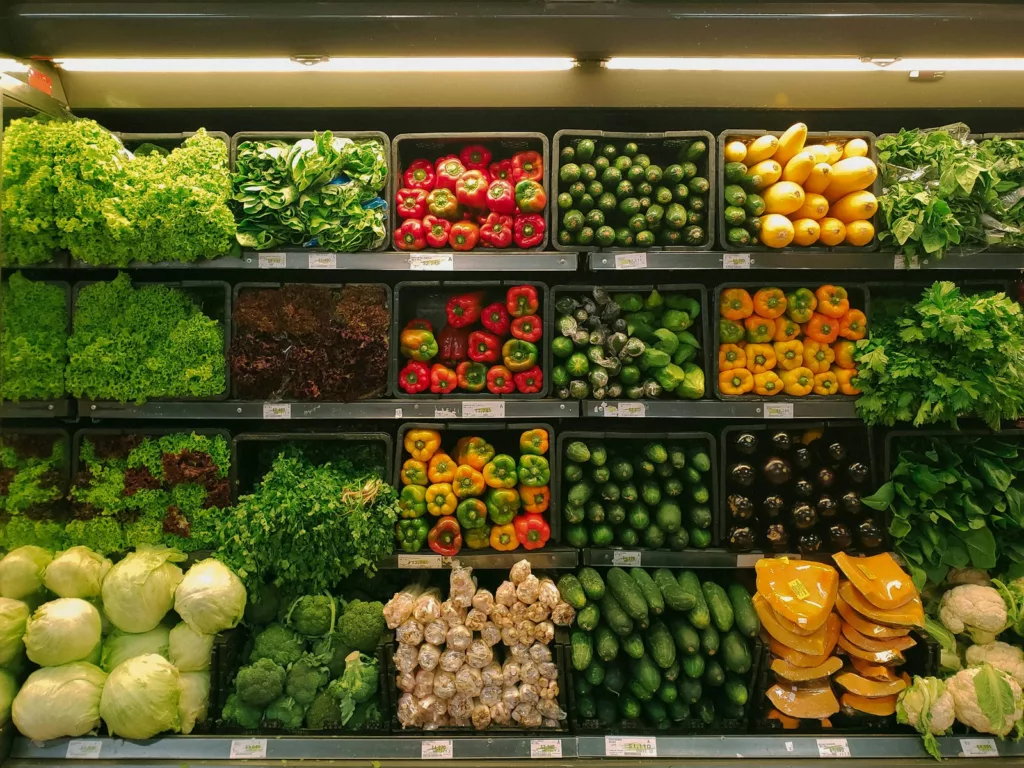
Non-starchy vegetables (your base)
These are the “build the meal around this” veggies:
- leafy greens (spinach, arugula, romaine)
- cruciferous (broccoli, cauliflower, cabbage, Brussels sprouts)
- peppers, zucchini, mushrooms, asparagus, green beans
Why they’re the base: they’re high-volume, high-fiber, nutrient-dense, and they play nicely with stable energy.
Fruits (keep it lower sugar, keep it whole)
- berries (strawberries, blueberries, raspberries)
- citrus
- apples/pears (often fine in reasonable portions)
Try not to rely on juice or massive smoothies. Whole fruit gives you fiber and keeps it more filling.
Carbs that typically fit (in the “smart carb” lane)
- sweet potato
- winter squash
- beets/carrots (portion-aware)
- small portions of gluten-free whole grains (in some pegan styles): quinoa, buckwheat
- legumes (optional): lentils, chickpeas, black beans in moderation
Flavor boosters that keep it easy
This is where your food stops feeling “diet-y”:
- herbs and spices
- vinegar, lemon
- fermented foods (sauerkraut, kimchi)
- mustard, salsa, olive tapenade
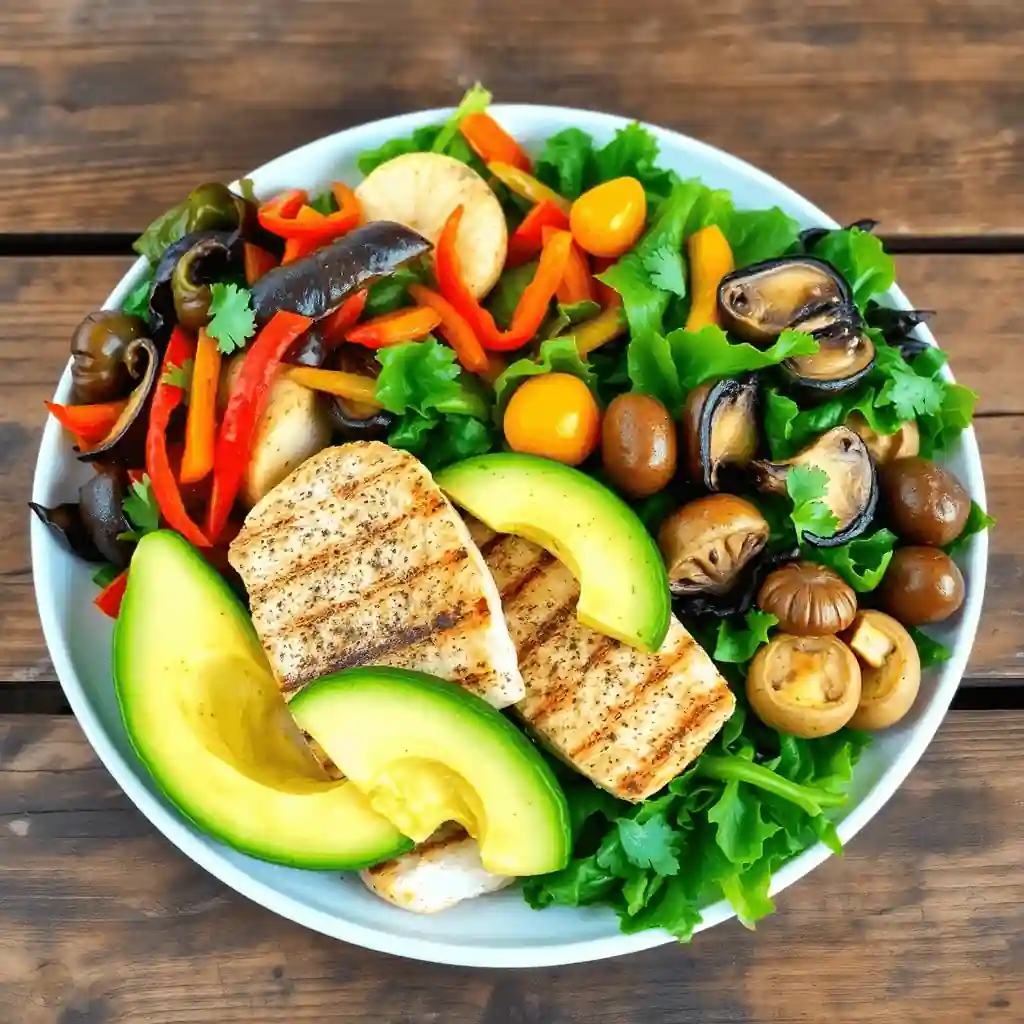
Mini “day of eating” snapshot (using the plate formula)
- Breakfast: veggie scramble (spinach + mushrooms) cooked in olive oil + side of berries
- Lunch: big salad + grilled salmon + avocado + lemon vinaigrette
- Dinner: sheet-pan chicken thighs + Brussels sprouts + onions + small sweet potato
- Snack: cucumber + hummus (if you include legumes) or a boiled egg + a few berries
What to Avoid (or Keep Rare) on the Pegan Diet
This isn’t about banning foods forever. It’s about knowing what tends to derail energy, cravings, and goals.
Refined sugar and sweetened drinks
Soda, sweet teas, fancy coffee drinks, “healthy” juices. These spike blood sugar fast and don’t keep you full.
Refined grains and baked goods
White bread, pastries, crackers, most boxed snack foods. Even if they’re gluten-free, they can still be ultra-processed and easy to overeat.
Conventional factory-farmed meats
The Pegan Diet is big on quality over quantity. If you can’t buy the fanciest options all the time, don’t stress. Just aim better when you can.
Dairy and gluten (common pegan stance)
Many pegan versions reduce or avoid them because they’re common irritants. Practical approach:
- If you feel great with some yogurt or aged cheese, test it.
- If bread makes you puffy and tired, that’s useful data.
Overdoing high-starch foods
Sweet potatoes are great. A mountain of sweet potatoes plus a giant handful of nuts plus extra oil can still stall fat loss goals. “Healthy” can still be too much.
Pegan Diet vs Paleo vs Vegan (Simple, Honest Comparison)
Think of pegan as the middle path: plant-heavy + clean animal foods.
Pegan vs Paleo
- Both: whole foods, minimal sugar, avoid ultra-processed stuff
- Pegan: more plant-forward; may allow legumes and some gluten-free grains
- Paleo: typically stricter on legumes and grains; often more meat-forward
Pegan vs Vegan
- Both: plant-forward emphasis (especially pegan)
- Vegan: excludes animal foods entirely; requires more planning for protein and certain nutrients
- Pegan: includes animal foods strategically (often easier for protein satiety)
Fat sources
- Pegan/Paleo: olive oil, avocado, nuts, plus animal fats and fatty fish
- Vegan: plant fats only
Lifestyle fit (real talk)
- Ethics: vegan fits best if animal products are a no-go
- Budget: all three can be pricey if you shop aspirationally; all three can be budget-friendly with smart staples
- Cooking time: pegan can be very quick with sheet-pan meals and big salads
- Social flexibility: pegan is often easier to “bend” without breaking
Quick “choose this if…” guide
- Choose Pegan if: you want structure without extremes and you like plants but feel better with some animal protein.
- Choose Paleo if: you feel best avoiding grains/legumes and prefer simpler “meat + veg” meals.
- Choose Vegan if: your ethics are your priority and you’re willing to plan protein more intentionally.
However, if you're considering a different dietary approach that focuses on low-carb high-fat eating similar to the Atkins diet, it might be worth exploring those options as well.
The Pegan Plate: The Easiest Way to Build Every Meal
If you only take one thing from this Pegan Diet guide, take this.
The template
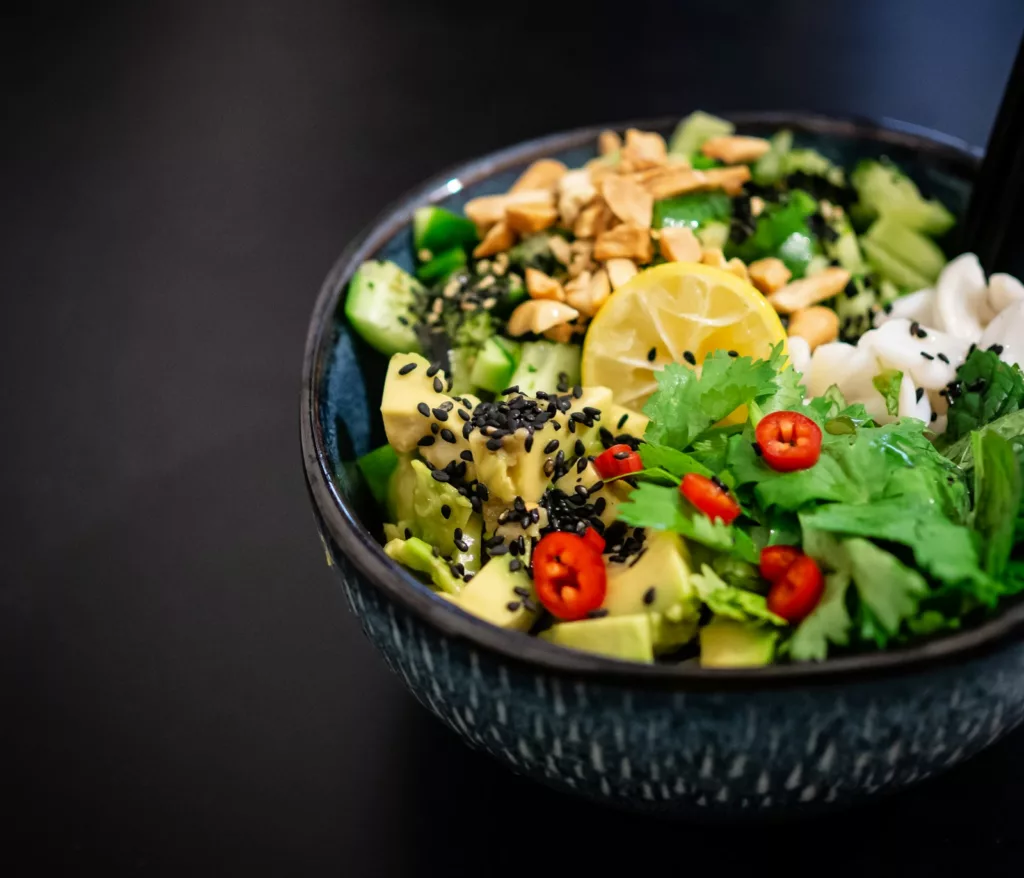
- 1/2 to 3/4 plate: non-starchy vegetables
- 1 palm: protein
- 1–2 thumbs: fats
- Optional smart carb: based on goals/activity (sweet potato, squash, quinoa if you use it)
3 plug-and-play meal formulas
- Salad bowl
- Greens + chopped crunchy veg + protein + avocado + vinaigrette
- Stir-fry
- Mixed veg + shrimp/chicken/tofu + ginger/garlic + sesame/olive oil (easy on the oil)
- Sheet-pan dinner
- Protein + 2–3 veggies + spices + roast until crispy edges happen
If you work out a lot
Add a controlled smart carb portion:
- 1/2 to 1 cup sweet potato or squash
- small scoop quinoa (if you include grains)
If fat loss is your goal
Watch for “fat stacking” (it’s sneaky):
- oils + nuts + avocado + seed butter in the same meal can add up fast
- Pick one or two fat sources, not all of them.
How to eat pegan at restaurants
- Order: protein + veg (salmon + asparagus, chicken + salad)
- Swap: fries for salad or extra veg
- Ask: sauces on the side (they’re often sugar bombs)
A 7-Day Pegan Starter Plan (Not a Full Meal Plan-Just a Practical Framework)
This is momentum, not perfection. Mix and match.
7 quick breakfasts
- Veggie omelet + berries
- Scrambled eggs + sautéed greens
- Chia pudding (if you like it) + berries + nuts (portioned)
- Leftover dinner veg + fried egg (we love breakfast-for-realists)
- Smoked salmon + cucumber + avocado
- Protein smoothie (keep fruit modest; add spinach)
- Greek-style bowl: coconut yogurt + berries + seeds (if dairy-free)
7 lunch templates
- Big salad + tuna/salmon packet + olive oil + lemon
- Leftover sheet-pan dinner (best lunch, always)
- Veg soup + side protein (boiled eggs, sardines)
- Lettuce wraps + chicken + crunchy veg
- “Snack plate”: sliced veg + hummus (optional) + hard-boiled eggs
- Grain-free bowl: cauliflower rice + shrimp + sautéed peppers
- Restaurant order: bunless burger + side salad (sauce on the side)
7 rotating dinner ideas
- Sheet-pan lemon chicken + Brussels sprouts + onions
- Salmon + roasted broccoli + small sweet potato
- Turkey lettuce tacos + salsa + guac
- Shrimp stir-fry + mixed veg + cauliflower rice
- Egg roll in a bowl (cabbage + ground meat + ginger)
- Zucchini “noodles” + meatballs + marinara
- Big salad + steak bites (small portion) + roasted mushrooms
Snack options that fit
- nuts (small handful, not a “movie bucket”)
- berries
- hummus + veg (if allowing legumes)
- sardines
- boiled eggs
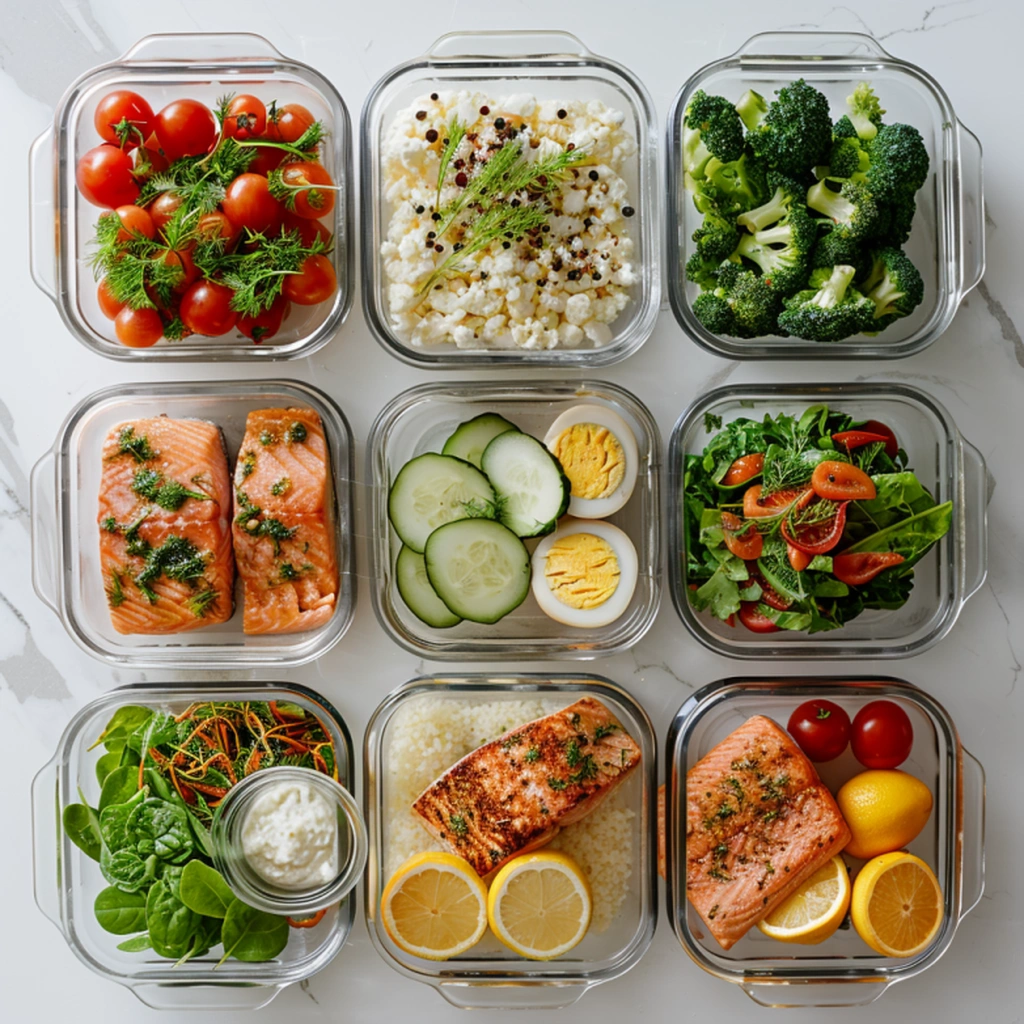
This plan incorporates aspects of the keto diet, focusing on whole foods and low-carb options that can be tailored to individual preferences and needs
Batch-cook strategy (the lazy-smart way)
Implementing a batch-cook strategy can simplify your meal preparation. Here’s how to do it effectively:
- Roast two trays of veggies.
- Cook one main protein (chicken thighs, turkey, salmon, or tofu).
- Prep one sauce: lemon tahini, pesto, chimichurri, or a simple vinaigrette.
Shopping list categories (brand-agnostic)
- Produce: leafy greens, broccoli/cauliflower, peppers, zucchini, onions, lemons, berries
- Proteins: eggs, canned fish, chicken, turkey, salmon (fresh or frozen)
- Fats: olive oil, avocado, nuts/seeds
- Pantry: vinegar, spices, salsa, canned tomatoes, optional legumes/quinoa
- Flavor/condiments: mustard, sauerkraut/kimchi, garlic, ginger
Common Beginner Mistakes (And How to Fix Them Fast)
Mistake 1: Accidentally going too low-calorie (and too low-protein)
Plant-heavy meals can become “sad and snacky” if you don’t anchor them with protein.
Fix: add a palm-sized protein at every meal.
Mistake 2: “Healthy” snacks all day
Nuts and seed butter are nutritious but easy to overdo.
Fix: eat structured meals and portion fats (1–2 thumbs).
Mistake 4: Over-focusing on perfection
Worrying about every trace of seed oil or a sprinkle of cheese can lead to frustration.
Fix: aim for 80/20 consistency. Most meals should be pegan most of the time.
Mistake 5: Not planning protein
You might prep veggies then stare into the fridge wondering what’s for dinner.
Fix: cook protein first. Everything else becomes easier.
Mistake 6: Relying on packaged “paleo/vegan” treats
They can still be ultra-processed.
Fix: do the ingredient-list test. If it reads like a chemistry lab, skip it.
Who the Pegan Diet Is Best For (And Who Should Be Careful)
Best fit
- People who want whole foods, steady energy, and better food quality without extreme rules.
- Anyone who loves plants but feels better with some animal protein.
- Folks who want a simple structure they can repeat.
Be careful if…
- You have a history of disordered eating.
- You have very high training volume and need more carbs.
- You’re pregnant or breastfeeding.
- You have medical conditions that require tailored nutrition.
In those cases, it’s smart to loop in a registered dietitian or clinician.
Food sensitivities are individual
Dairy, gluten, and legumes vary a lot person to person. Try an elimination-and-reintroduce mindset if that feels helpful and not obsessive.
Pegan on a budget (yes, it’s possible)
- frozen veg is your best friend
- canned fish is affordable protein
- eggs are versatile and usually cost-effective
- buy seasonal produce
- choose cheaper cuts and use slow cooking or roasting
Pegan Diet 2026: What’s Changed (and What Still Works)
What still works
- whole foods emphasis
- plant-forward meals
- quality protein
- less sugar and ultra-processed food
What’s “2026” about it
More people are mixing frameworks instead of marrying a label. In 2026, the Pegan Diet works best as a flexible template, not a rigid identity.
Updated practicality
Modern grocery shortcuts can keep you consistent:
- pre-cut veg (worth it on busy weeks)
- frozen produce
- air fryer and sheet-pan cooking for quick wins
Sustainability angle (without being preachy)
Reduce meat quantity, improve quality. Lean on seafood, eggs, and a wider range of plants.
How to personalize
Pick your level:
- Strict pegan: minimal grains/legumes, no gluten/dairy, mostly whole foods
- Flexible pegan: occasional legumes, small quinoa portions, dairy/gluten tested by tolerance
Define your non-negotiables (like “no sugary drinks” or “protein at every meal”) and keep the rest flexible.
Wrap-Up: The Simplest Way to Start the Pegan Diet This Week
The core takeaway of the Pegan diet is simple: plants first, clean protein, smart carbs, minimal sugar and ultra-processed foods.
Your 3-step start
- Pick 3 breakfasts, 3 lunches, 3 dinners from the starter framework.
- Shop once.
- Prep once (roast veg + cook protein + mix a sauce).
Then just follow the pegan plate most meals. Consistency beats complexity every single time.
If you want, you can create a quick printable for yourself: a one-page pegan plate template plus a starter shopping list you keep on your phone for repeat weeks.
FAQs
What is the Pegan Diet and how does it combine vegan and paleo principles?
The Pegan Diet is a practical “best of both worlds” approach that is plant-forward like vegan diets but includes strategic animal foods similar to paleo. It focuses on nutrient density and stable blood sugar by centering meals around non-starchy plants and quality proteins and fats, offering a flexible template rather than strict vegan, paleo, or keto rules.
What are the key rules beginners should follow on the Pegan Diet?
Beginners should follow 10 simple Pegan Diet rules: make plants ~75% of your plate emphasizing non-starchy veggies; choose low-glycemic carbs like berries and legumes in moderation; prioritize quality protein such as wild fish and grass-fed meats; use healthy fats like olive oil and avocado; minimize sugar; avoid ultra-processed foods; be cautious with dairy choosing grass-fed fermented options if tolerated; minimize gluten based on tolerance; control legume portions; and build meals around vegetables, protein, and fat for balanced nutrition.
Which foods can I eat on the Pegan Diet?
You can enjoy non-starchy vegetables (leafy greens, cruciferous veggies), low-sugar fruits like berries, quality proteins including fish, eggs, poultry, occasional red meat, plant proteins such as nuts and some legumes, healthy fats like olive oil and avocado, moderate portions of sweet potatoes or gluten-free grains if tolerated, plus flavor boosters like herbs, spices, vinegar, lemon, and fermented foods, all forming balanced meals using the Pegan Plate method.
What foods should be avoided or limited on the Pegan Diet?
Avoid refined sugars and sweetened drinks as they spike blood sugar; refined grains and baked goods due to processing; industrial seed oils and fried foods replaced with healthier fats; highly processed vegan replacements favoring whole foods instead; conventional factory-farmed meats focusing instead on quality over quantity; excessive dairy and gluten depending on individual tolerance; and overconsumption of high-starch foods which can hinder goals despite being “healthy.”
How does the Pegan Diet compare to Paleo and Vegan diets?
The Pegan Diet acts as a middle path, plant-heavy like vegan but includes clean animal foods like paleo. Compared to Paleo, Pegan is more plant-forward allowing some legumes/grains while Paleo typically avoids them. Versus Vegan diets that exclude animal products entirely, Pegan includes animal proteins for micronutrients. Protein sources differ with Pegan balancing both plant and animal proteins. Carb quality in Pegan emphasizes low-glycemic options compared to Paleo's starchy vegetables or Vegan's grain/legume focus. Fat sources also vary with Pegan/Paleo including animal fats alongside plant fats while Vegan relies solely on plant fats.
What is the ‘Pegan Plate' method for building meals?
The ‘Pegan Plate' method simplifies meal building by focusing on a plate composed roughly of 75% non-starchy vegetables combined with moderate portions of quality protein (like wild fish or pasture-raised eggs) and healthy fats (such as olive oil or avocado). This formula ensures nutrient density and stable blood sugar while maintaining flexibility to personalize based on activity level, budget, ethics, and digestive tolerance.