
Table of Contents
Table of Contents
The ketogenic diet commonly known as keto, is a nutritional approach that dramatically shifts your body's fuel source from carbohydrates to fats. By consuming high amounts of healthy fats (typically around 70-80% of daily calories), moderate protein, and minimal carbohydrates (typically 20-50 grams per day), you train your body to enter a metabolic state called ketosis.
The keto diet for beginners has surged in popularity over recent years, and for good reason. People are drawn to this high-fat low-carb lifestyle primarily for its potential weight loss benefits, although individual results vary. Research suggests potential short-term improvements in blood sugar control, while therapeutic applications for certain neurological conditions require medical supervision.
Starting keto requires understanding what you're getting into. This isn't simply another fad diet, it's a fundamental metabolic shift that demands commitment and proper planning.
Before you start your keto journey, you need to know:
- How ketosis actually works in your body
- Which foods to embrace and which to eliminate
- The importance of tracking your macronutrients accurately
- Potential side effects like “keto flu” and how to manage them
- When to seek guidance from healthcare professionals
This guide will walk you through everything you need to confidently begin your ketogenic lifestyle, avoiding common pitfalls while maximizing your chances of success.
Note: I am a home cook sharing my passion for the ketogenic lifestyle. This guide is for informational purposes only and is not intended to diagnose or treat any medical condition.
This post is part of my Low Carb & Keto Diet Hub
As you embark on this journey, it's crucial to have a repertoire of delicious recipes that align with your new dietary restrictions. For instance, Chicken Cheez could be adapted to your meal plan by replacing the breadcrumb coating with a lower-carb alternative and checking the carbs per serving. This dish offers a comforting taste that the whole family can enjoy.
Understanding Ketosis: The Science Behind the Keto Diet
Your body usually gets its energy from glucose, which is a simple sugar made from the carbohydrates you consume throughout the day. However, when you significantly cut down on carbs and only consume 20-50 grams per day, an amazing thing happens in your cells. Your liver starts converting fatty acids into molecules known as ketone bodies specifically beta-hydroxybutyrate, acetoacetate, and acetone. This state of metabolism is called ketosis, and it marks a significant change in how your body generates energy.
How Ketosis Works
During ketosis, your body becomes highly efficient at burning fat for fuel. Instead of relying on glucose every few hours, your cells adapt and learn to utilize ketones as their main source of energy. This process involves not only burning the fat you eat but also tapping into your body's stored fat reserves. Weight loss depends on overall calorie intake and other individual factors; being in ketosis does not guarantee substantial weight loss.
The Benefits of Ketosis
In addition to weight loss, there are several other potential benefits associated with being in a state of ketosis:
- Increased mental clarity: Many people report improved focus and mental sharpness when they're in ketosis.
- Stable energy levels: Without the ups and downs associated with blood sugar fluctuations, many find they have more consistent energy throughout the day.
- Reduced hunger cravings: Some studies suggest that ketones may help suppress appetite, making it easier to stick to a calorie deficit if weight loss is your goal.
It's important to note that while these benefits can be experienced by some individuals on a ketogenic diet, everyone's response may vary.
Key Components of a Successful Keto Diet Plan
Getting your keto macronutrients right makes the difference between entering ketosis and staying stuck in carb-burning mode. Keto macronutrient targets vary. The table below shows one illustrative distribution totaling 100% of daily calories.
| Macronutrient | Example share of daily calories |
|---|---|
| Fat | 75% |
| Protein | 20% |
| Carbohydrates | 5% |
Many ketogenic diets limit carbohydrates to around 20–50 grams per day, depending on the approach and individual needs.
Prioritizing High Fat Intake
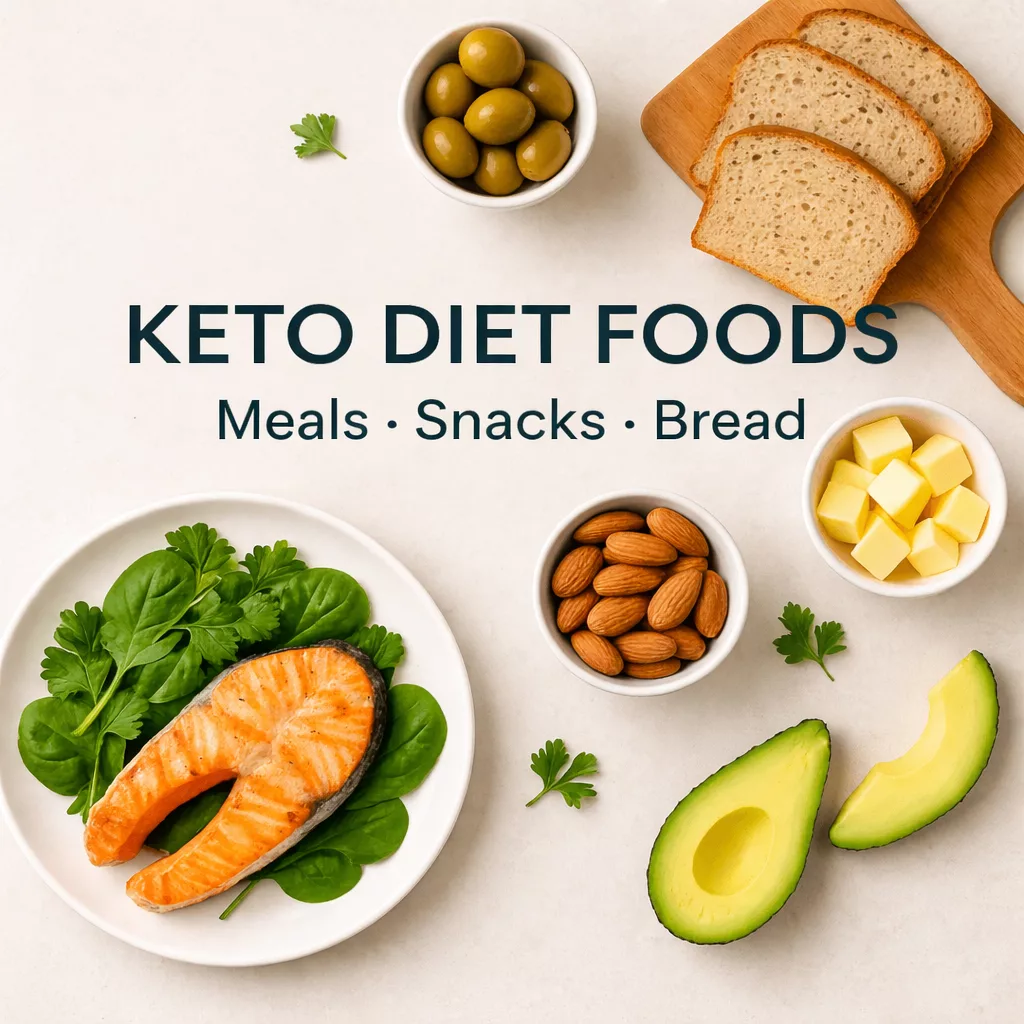
Your high fat intake becomes the cornerstone of this eating pattern. You'll want to focus on quality sources that nourish your body:
- Avocados: packed with monounsaturated fats and fiber
- Nuts and seeds: almonds, macadamias, walnuts, chia seeds, and flaxseeds
- Olive oil and coconut oil: a source of unsaturated fats for cooking and dressings; limit coconut oil because it is high in saturated fat.
- Fatty fish: salmon, mackerel, sardines rich in omega-3s
- Full-fat dairy: cheese, butter, heavy cream (if tolerated)
- Eggs: versatile and nutrient-dense
These fats provide sustained energy, support hormone production, and help you absorb fat-soluble vitamins A, D, E, and K.
Balancing Protein Without Breaking Ketosis
Protein plays a protective role in preserving your muscle mass during weight loss. You need enough to maintain lean tissue but not so much that excess protein converts to glucose through gluconeogenesis. Protein needs vary with body size, activity level, age, and health conditions. A registered dietitian can help you set an appropriate target while following a ketogenic diet.
Choosing Low Carb Vegetables Wisely
Low carb vegetables fill your plate with nutrients while keeping carbs minimal. Leafy greens like spinach, kale, and lettuce are generally low in carbohydrates; the amount per cup varies by vegetable and whether it is raw or cooked. Cruciferous vegetables: broccoli, cauliflower, Brussels sprouts offer fiber and phytonutrients. Zucchini, bell peppers, and asparagus round out your options.
Most ketogenic plans restrict carbohydrate-rich foods such as bread, rice, pasta, added sugars, potatoes, corn, beans, and lentils. Portions and total daily carbohydrate intake determine whether these foods fit your plan.
Incorporating bariatric seed recipes into your diet can be an excellent way to add variety while still adhering to your low-carb lifestyle. These recipes often use seeds which are high in protein and fiber yet low in carbohydrates.
Exploring Different Approaches to the Keto Diet
When you're ready to embrace the Keto Diet for Beginners: How to Start a High-Fat Low-Carb Lifestyle, understanding the different approaches helps you choose what fits your goals and activity level.
Standard Ketogenic Diet (SKD)
The standard keto diet represents the most straightforward path for beginners. You maintain consistent macronutrient ratios every single day, for example, 75% fat, 20% protein, and 5% carbohydrates. This approach aims to maintain nutritional ketosis and is commonly described as the basic version of the ketogenic diet. The consistency of SKD provides a stable framework, although adaptation varies between individuals. Discuss whether this approach is appropriate for you with a healthcare professional before experimenting with variations.
Cyclical Ketogenic Diet (CKD)
The cycical keto diet introduces strategic carbohydrate refeeding periods, typically one or two days per week. You follow strict keto for 5-6 days, then consume higher carbs around 400-600g on designated refeed days. This variation is sometimes used by athletes, bodybuilders, or highly active individuals who need glycogen replenishment for intense training sessions.
CKD isn't appropriate for beginners. You need to establish solid keto adaptation first, understand how your body responds to carbohydrates, and have specific performance goals that justify the added complexity.
Health Benefits Beyond Weight Loss: The Positive Impact of a Keto Lifestyle on Your Well-being
When you think about the keto diet, weight loss likely comes to mind first. However, the keto benefits extend far beyond the number on your scale, touching multiple aspects of your physical and mental health in ways that might surprise you.
Blood Sugar Control and Insulin Sensitivity
Your body's relationship with insulin changes dramatically on a ketogenic diet. By drastically reducing carbohydrate intake, you're essentially removing the primary driver of blood sugar spikes. This shift proves particularly valuable if you're managing type 2 diabetes or prediabetes. Research shows that the keto diet can improve insulin sensitivity, meaning your cells respond more effectively to insulin signals. Many people following a ketogenic lifestyle report stabilized blood glucose levels and, in some cases, reduced dependence on diabetes medications. If you take insulin or other diabetes medications, consult your healthcare team before sharply reducing carbohydrates; medication adjustments may be needed to prevent low blood sugar. The National Institute of Diabetes and Digestive and Kidney Diseases recognizes the connection between weight management approaches and improved metabolic health markers.
Cardiovascular Health Improvements
You might worry about eating more fat, but the keto diet often leads to surprising improvements in heart health markers. Many people experience increased HDL (the “good” cholesterol) while their triglyceride levels drop significantly. LDL cholesterol may rise in some people, so improvements in HDL or triglycerides do not necessarily mean a lower risk of heart disease. The American Heart Association provides guidance on understanding different types of dietary fats and their impacts on cardiovascular health.
Neurological and Brain Health Applications
The ketogenic diet started as a medical treatment for epilepsy in the 1920s, and its therapeutic applications continue to expand. Ketones provide an alternative fuel source for your brain, which can be particularly beneficial for certain neurological conditions. Clinical research explores the diet's potential in managing Alzheimer's disease, Parkinson's disease, and other brain-related disorders. Its use for Alzheimer’s or Parkinson’s disease remains investigational; therapeutic ketogenic diets require medical supervision.
Incorporating Healthy Recipes into Your Keto Lifestyle
While adopting a ketogenic lifestyle, it's essential to include healthy recipes that align with this dietary approach. For instance, you can try a pink salt recipe as a recipe variation, without expecting weight-loss benefits.
Moreover, incorporating desserts like this sugar-free lemon blueberry pudding cake into your meal plan can satisfy your sweet cravings without derailing your diet. Check the total carbohydrates per serving, since sugar-free does not necessarily mean low-carb.
For side dishes, consider making a carrot ribbon salad, which is quick to prepare and offers various flavor profiles with its Asian, Mediterranean, or creamy twists.
Lastly, staying hydrated is crucial while following a keto diet due to the initial loss of water weight. You can make homemade electrolyte drinks using these simple recipes, ensuring you maintain optimal hydration levels throughout your journey.
Practical Tips for Beginners Starting Their Keto Journey: Meal Planning, Tracking Macros, and More!
Starting keto diet success hinges on practical preparation and strategic planning. You need to approach this lifestyle change with clear systems in place to track your progress and maintain consistency.
Master the Art of Reading Food Labels
Food labels become your best friend when starting keto diet plans. You must scrutinize every nutrition label for hidden carbohydrates lurking in processed foods. Check the total carbohydrate count, then subtract fiber to calculate net carbs, the number that actually impacts your ketosis state. Many products marketed as “healthy” contain surprising amounts of sugar and starches. Condiments, sauces, and dressings often hide 3-5 grams of carbs per serving, which quickly adds up throughout your day.
Build Your Meals Around the Right Foundation
Your plate composition matters tremendously for maintaining ketosis. Structure each meal with these priorities:
- Start with healthy fats: Use avocado oil or olive oil as your main cooking fats; limit coconut oil and butter
- Add quality protein: Include fatty cuts of meat, salmon, eggs, or full-fat dairy in moderate portions (about 20-25% of your calories)
- Fill with low-carb vegetables: Leafy greens, cruciferous vegetables, and zucchini (which you can learn more about in our Ground Turkey and Zucchini Skillet guide), bell peppers provide essential nutrients without carb overload
- Avoid starchy foods: Eliminate potatoes, rice, pasta, bread, and most fruits from your meal rotation
Instead of traditional high-carb meals, consider incorporating keto-friendly recipes such as classic hot wings or boneless wings, both of which can be made low-carb if prepared correctly.
Transition Gradually for Long-Term Success
You don't need to transform your entire diet overnight. Start by eliminating obvious carb sources like bread, pasta, and sugary drinks during week one. Week two, you can reduce your carb intake to 50 grams daily while increasing healthy fats. By week three, aim for the standard 20-30 gram carb target. This graduated approach helps your body adapt to using fat for fuel without the shock of drastic changes.You may experience fewer side effects and build sustainable habits that stick beyond the initial excitement phase.
For quick meal ideas during this transition phase, consider making a rotisserie chicken at home or trying out a ground turkey and zucchini skillet dish – both are healthy options that align well with keto guidelines.
It's also important to understand how different foods affect your body during this transition phase. For instance, while the keto diet is known for its high-fat content, it's crucial to choose the right types of fats. Not all fats are created equal; some can adversely affect your health if consumed excessively. Therefore, understanding what constitutes a healthy fat will greatly aid in your keto journey.
Overcoming Common Challenges When Starting a Keto Diet: Dealing with the ‘Keto Flu' and Other Side Effects
You might experience what many call the “keto flu” during your first week of transitioning to a Keto Diet for Beginners: How to Start a High-Fat Low-Carb Lifestyle. These keto flu symptoms aren't actually an illness, they're your body's response to shifting from burning glucose to burning fat for fuel.
The most common symptoms include:
- Headaches ranging from mild to severe
- Persistent fatigue and low energy levels
- Nausea and digestive discomfort
- Brain fog and difficulty concentrating
- Muscle cramps and weakness
- Irritability and mood swings
- Dizziness when standing up quickly
These symptoms stem from significant shifts in your water and mineral balance. When you drastically reduce carbohydrates, your body releases stored glycogen along with substantial amounts of water. This rapid water loss flushes out essential electrolytes—sodium, potassium, and magnesium creating an imbalance that triggers these uncomfortable symptoms.
You can minimize or prevent keto flu symptoms with strategic interventions:
- Increase your water intake: Aim for at least 8-10 glasses of water daily to compensate for the additional fluid loss.
- Replenish sodium levels: Add a pinch of sea salt to your water or meals.
- Supplement with magnesium and potassium: Include mineral-rich foods: Avocados, spinach, and salmon provide potassium, while nuts and seeds provide magnesium. Consult your healthcare professional before taking electrolyte supplements.
- Consume bone broth: Bone broth provides an excellent source of both sodium and minerals while keeping you hydrated.
Most people find these symptoms resolve within 3-7 days as their bodies adapt to ketosis.
Seek medical advice if symptoms are severe or persistent rather than assuming they are simply “keto flu.”
Considering Potential Risks Before Committing Fully to the Keto Lifestyle
While the keto diet offers numerous benefits, you need to understand the keto diet risks before diving in headfirst. The high-fat nature of this eating plan can become problematic if you're not making smart choices about your fat sources.
The Saturated Fat Debate
Many beginners make the mistake of loading up on bacon, butter, and cheese without balancing these with healthier fat options. You might think fat is fat, but the type matters significantly. Excessive saturated fat intake, particularly from processed meats and full-fat dairy can potentially raise LDL cholesterol levels in some individuals. You should prioritize unsaturated fats from sources like:
- Olive oil and avocado oil
- Fatty fish (salmon, mackerel, sardines)
- Nuts and seeds
- Avocados
This doesn't mean you need to eliminate saturated fats entirely. You just need to maintain a balanced approach, ensuring that monounsaturated and polyunsaturated fats make up the majority of your fat intake.
Nutrient Deficiency Concerns
The restrictive nature of keto can lead to deficiencies in essential vitamins and minerals. When you eliminate entire food groups like fruits, whole grains, and legumes, you're cutting out valuable nutrients. You might find yourself lacking in:
- Fiber – crucial for digestive health
- B vitamins – particularly from whole grains
- Vitamin C – abundant in many fruits
- Magnesium and potassium – found in bananas and other restricted foods
You can combat these deficiencies by eating a wide variety of low-carb vegetables daily. Leafy greens, cruciferous vegetables, and colorful peppers should become staples in your meal plan. Some people may benefit from targeted supplementation, guided by a healthcare professional, to fill nutritional gaps.
The Importance of Consulting Healthcare Professionals Before Starting a Keto Diet Plan: Ensuring Safety and Personalization in Your Approach
Before making this significant dietary shift, it's crucial to seek medical advice about the keto diet. Your body's unique biochemistry, existing health conditions, and current medications all influence how you'll respond to ketogenic eating.
Identifying Potential Contraindications
Healthcare providers can identify potential contraindications you might not be aware of. If you have kidney disease, liver conditions, or pancreatic issues, a high-fat diet could worsen these problems. Your doctor can run baseline blood work to establish your starting cholesterol levels, kidney function, and metabolic markers giving you concrete data to track your progress safely.
Customizing Macronutrient Ratios
Registered dietitians bring specialized expertise in customizing macronutrient ratios for your specific needs. They'll help you navigate the nuances of keto while managing conditions like diabetes, where insulin dosages may require adjustment as your carbohydrate intake drops dramatically. You don't want to risk dangerous blood sugar fluctuations without proper medical supervision.
Monitoring Medication Interactions
Certain medications interact with ketogenic diets in unexpected ways. Blood pressure medications, diabetes drugs, and diuretics all require careful monitoring and potential dosage modifications as your body adapts to ketosis. Your healthcare team can coordinate these adjustments to prevent adverse reactions.
Setting Realistic Expectations
Professional guidance also helps you set realistic expectations based on your health history. You'll receive personalized recommendations for supplementation, monitoring schedules, and warning signs that require immediate attention. This individualized approach transforms keto from a generic diet trend into a medically sound strategy tailored specifically for your body.
Furthermore, understanding the metabolic mechanisms behind the keto diet can significantly enhance your experience and results. This knowledge allows for better adherence to the diet and more effective tracking of its impacts on your health.
For food choices and shopping ideas, see our keto foods guide. For a sample weekly menu, explore our 7-day keto diet plan. For convenient prepared meals, read our keto meal delivery guide.
Conclusion
Starting a Keto Diet for Beginners: How to Start a High-Fat Low-Carb Lifestyle is a big commitment to your health. It requires dedication, but the potential rewards—such as sustainable weight loss and improved metabolic health make it worthwhile for many people.
You've learned the basics: understanding ketosis, balancing your macronutrients, and dealing with common challenges. Success comes from proper planning, consistent tracking, and paying attention to your body's signals. The key is finding your personal balance between nutritional discipline and enjoying the foods that support your transformation.
Remember that this isn't about being perfect, it's about making progress. Some days will be easier than others, and that's completely normal. With the knowledge you've gained and support from healthcare professionals, you're ready to make informed decisions about whether this approach fits your health goals and lifestyle preferences.
FAQs
What is the ketogenic (keto) diet and why is it popular for weight loss?
The ketogenic diet is a high-fat, low-carbohydrate lifestyle that shifts your body's metabolism from glucose-based energy to fat burning through ketosis. It has gained popularity due to its effectiveness in promoting weight loss and offering various health benefits.
How does ketosis work and how does it differ from normal metabolism?
Ketosis is a metabolic state where the body uses fat as its primary fuel source instead of carbohydrates. By significantly reducing carbohydrate intake, the liver produces ketones from fats, which serve as an alternative energy source, differing from the typical glucose-based metabolism.
What are the key macronutrient ratios and food choices in a successful keto diet plan?
A successful keto diet typically consists of typically around 70-80% of daily calories from fat, moderate protein intake, and very low carbohydrates (20-50 grams per day). Healthy fat sources include nuts, seeds, avocados, olive oil, and fatty fish. Low-carb vegetables are important while grains, sugars, and legumes should be restricted.
What are some common challenges beginners face on the keto diet and how can they overcome them?
Beginners may experience ‘keto flu' symptoms such as headache, fatigue, and nausea due to shifts in water and mineral balance. These can be alleviated by staying well-hydrated and discussing any need for electrolyte supplements with a healthcare professional
Are there any health benefits of the keto diet beyond weight loss?
Yes, beyond weight loss, the keto diet can improve insulin sensitivity and blood sugar regulation beneficial for type 2 diabetes management. Its effects on cholesterol vary, and LDL cholesterol may increase and is used medically for certain cases of epilepsy, while applications for Alzheimer’s and Parkinson’s disease remain investigational,
Why is it important to consult healthcare professionals before starting a keto diet?
Consulting a healthcare provider or registered dietitian is crucial before beginning a ketogenic lifestyle to ensure safety and personalization. This is especially important for individuals with pre-existing medical conditions to avoid potential risks such as nutrient deficiencies or complications related to high saturated fat intake.