Table of Contents
Table of Contents
Vegan Protein sounds simple until you actually try to build it into everyday life. It’s not that High Protein Vegan choices are hard to find, it’s that turning them into quick weeknight meals or easy dinner ideas can feel inconvenient. You’re either piecing together High Protein Vegan Recipes from scratch or relying on options that don’t quite fit a vegan clean eating lifestyle.
This guide keeps things practical. No hype, just a real look at Vegan Protein Recipes, plant based protein recipes, and how they actually work for healthy meal prep, high protein vegan dinner plans, or even high protein vegan snacks. The goal is simple: make High Protein Vegan eating feel natural, not like you’re living off a supplement aisle.
If you're building a plant-based routine around this, our Plant-Based Diet Protein Guide breaks down how to hit your daily protein needs with whole foods, or try blending your favorite vegan protein powder into this 5-Minute Protein Smoothie for a quick, on-the-go option.
Note: The content on this website is for educational and informational purposes only and is not intended to provide professional medical advice, diagnosis, or treatment. The reviews and comparisons of vegan protein sources and powders are based on ingredient analysis, nutritional profiles, and publicly available information; they do not constitute an endorsement or a recommendation to use these products.
Nutritional needs are highly individual. Please consult with a qualified healthcare professional, a physician, or a registered dietitian before incorporating any new supplements, protein powders, or significant dietary changes into your routine, especially if you have existing health conditions, are pregnant, or are taking medication. Always prioritize whole-food sources of nutrition and use dietary supplements as a complement to, not a replacement for, a balanced diet.
Quick note before we start (so you do not waste money)
Most vegan protein powders are some combo of:
- Pea protein
- Brown rice protein
- Soy protein (isolate)
- Hemp protein
- Pumpkin seed protein
- Sunflower seed protein
The blend matters because of texture, taste, and digestion.
Also, a lot of brands throw in “greens” or “superfoods” and it sounds healthy. Sometimes it is fine. Sometimes it just makes the powder taste like lawn clippings. So… we will talk about that too.
The top vegan protein foods (that are not powder)
Before powders, here are the vegan proteins that actually carry people day to day. This matters because powders should fill gaps, not replace meals. Most of the time.
1) Tofu and tempeh
Tofu is a blank canvas. Tempeh is nutty, chewy, and more “food like.”
- Pros: versatile, complete protein, easy to season
- Cons: tempeh can taste bitter if you do not steam it first, tofu needs decent cooking technique to be exciting
If you want recipes that make tofu feel less like a chore, this is the kind of thing we build on at Easy Recipes Dash. Simple marinades, sheet pan methods, quick sauces. The stuff you actually repeat.
2) Lentils and beans
Lentils are the weeknight MVP. Canned beans are the emergency MVP.
- Pros: fiber, cheap, great in soups, salads, tacos
- Cons: protein per calorie is not as dense as powders, some people get bloated
3) Seitan (wheat gluten)
If you can eat gluten, seitan is basically protein on easy mode.
- Pros: high protein, meaty texture, great for stir fries and sandwiches
- Cons: not gluten free, store bought versions can be salty
4) Edamame
Honestly underrated. Toss into bowls, stir fries, salads. Snack it straight.
- Pros: fast, complete protein, mild taste
- Cons: can be pricey depending on where you shop
5) Nuts and seeds
Great. Not super protein dense per calorie, but still useful.
- Pros: minerals, healthy fats, easy add ins
- Cons: easy to overshoot calories if that matters to you
Now the big thing. Vegan protein powder.
Let’s do this in a way that is actually helpful.
What I judge a vegan protein powder on
- Taste in water (because sometimes that is reality)
- Texture (chalky, gritty, smooth, thick)
- How it blends (shaker bottle vs blender)
- Ingredients (sweeteners, gums, added “extras”)
- Protein per serving (and serving size trickery)
- Digestibility (gas, bloating, stomach heaviness)
- Price per serving (not just the tub price)
- How it works in recipes (oats, pancakes, smoothies)
Vegan protein powder types (and what they are like)
Pea protein
This is the backbone of a lot of powders.
- What it’s like: thick, sometimes slightly “earthy”
- Best for: smoothies, oats, baking
- Watch for: aftertaste. Some brands nail it, some really do not.
Pea protein has been found to have certain health benefits as detailed in this study.
Brown rice protein
Usually used to balance amino acids with pea.
- What it’s like: can be gritty, lighter body than pea
- Best for: blends, baking
- Watch for: “sand in your smoothie” texture if it is solo.
Brown rice protein is often recommended due to its nutritional profile, which complements other protein sources well.
Soy protein isolate
High quality, complete protein.
- What it’s like: usually smoother than rice, can be very neutral
- Best for: shakes, baking, higher protein goals
- Watch for: if you avoid soy, obviously skip.
Hemp protein
More of a whole food vibe.
- What it’s like: earthy, a little grassy, not as “protein dense”
- Best for: smoothies if you like that flavor, adding to oatmeal
- Watch for: lower protein per serving, stronger taste.
Pumpkin seed protein
Surprisingly pleasant in some blends.
- What it’s like: nutty, slightly savory
- Best for: chocolate flavors, smoothies
- Watch for: can taste weird in fruity flavors.
Vegan protein powder reviews (realistic, not brand sponsored)
I’m going to review these as categories first, because brands change formulas, availability changes, and honestly you might not have access to every single “top” brand where you live.
But I will also call out a few widely available styles you will recognize.

1) Pea + rice blend (the “standard” vegan protein)
My overall rating: Good, if the flavoring is done well.
This is the most common type you will see from mainstream brands.
- Taste: ranges from pretty good to “I can’t finish this”
- Texture: usually thicker than whey, sometimes a little dusty
- Best use: smoothies, overnight oats, protein pancakes
My take: If you are only buying one vegan protein powder and you do not want to overthink it, this is the safest category. Just do yourself a favor and buy a small size first.
Who it is for: most people, especially if you are mixing into recipes.
2) “Greens added” vegan protein powders
My overall rating: Mixed. Sometimes fine, often annoying.
These are the ones that add spinach, kale, spirulina, wheatgrass, etc.
- Taste: can get grassy fast, especially in vanilla
- Texture: slightly more fibrous
- Best use: chocolate smoothies (chocolate hides sins)
My take: If you want greens, eat greens. Or blend actual spinach into your smoothie. It tastes better than powdered pond vibes.
Who it is for: people who genuinely like that taste, or want “all in one” convenience.
3) Stevia sweetened powders
My overall rating: Depends on your taste buds.
Stevia is polarizing. Some people love it. Some people taste the bitter after note and cannot un taste it.
- Taste: can be clean, can be sharply sweet
- Best use: cold smoothies, coffee shakes
- Watch for: that lingering sweetness
My take: If you are stevia sensitive, do not force it. Pick monk fruit, coconut sugar, or unsweetened and add your own sweetener.
4) Unsweetened, unflavored vegan protein powders
My overall rating: Extremely useful, not “fun.”
- Taste: neutral to earthy
- Texture: depends on base (pea tends to be thick)
- Best use: oats, baking, savory stuff, blending with fruit
My take: This is the grown up purchase. You can use it in recipes without everything tasting like birthday cake.
If you cook from Easy Recipes Dash style recipes, this is the easiest one to incorporate because you control the flavor.
5) Hemp based powders
My overall rating: Best as a “whole food booster,” not your main protein.
- Taste: earthy, slightly grassy, kind of nutty
- Texture: can be gritty
- Protein per serving: often lower than isolates/blends
My take: I like hemp protein in oatmeal with cinnamon, banana, and peanut butter. But as a straight shake? Not my favorite.
6) Soy isolate vegan protein powders
My overall rating: High performance, usually smoother.
- Taste: typically more neutral
- Texture: often less gritty than rice heavy powders
- Protein density: usually great
My take: If you tolerate soy and you want a simple high protein shake without fighting texture, soy isolate is the sleeper pick.
What flavors to buy (and what to avoid)
This is going to save you money.
Usually safe:
- Chocolate (best at hiding plant protein notes)
- Vanilla (only if reviews say it is not bitter)
- Coffee or mocha (also hides earthiness)
Risky:
- Strawberry (can taste like medicine)
- Birthday cake / cinnamon roll (sometimes way too sweet)
- Unusual dessert flavors (fun once, then you are stuck with 2 pounds)
The biggest problems people have with vegan protein (and fixes)
Problem 1: Chalky texture
Fix:
- Blend, do not shake (even 20 seconds helps)
- Add banana, oats, or nut butter
- Use less powder and more ice, then build up
Problem 2: It tastes “green” or “beany”
Fix:
- Cocoa powder + pinch of salt
- Coffee + cinnamon
- Frozen cherries (surprisingly good with chocolate)
Problem 3: Digestive issues
Fix:
- Try a different base (pea vs soy vs blend)
- Avoid sugar alcohols (they can wreck some stomachs)
- Start with half a serving for a week
Vegan protein powder in actual food (not just shakes)
This part matters. Because if you buy a tub and only use it in water, you will hate it.
1) Protein overnight oats (easy, no blender)
- 1/2 cup oats
- 1 scoop vegan protein (vanilla or unflavored)
- 1 tbsp chia seeds
- 3/4 to 1 cup plant milk
- Pinch of salt
- Fruit on top
Mix, refrigerate. In the morning it is thick and actually filling.
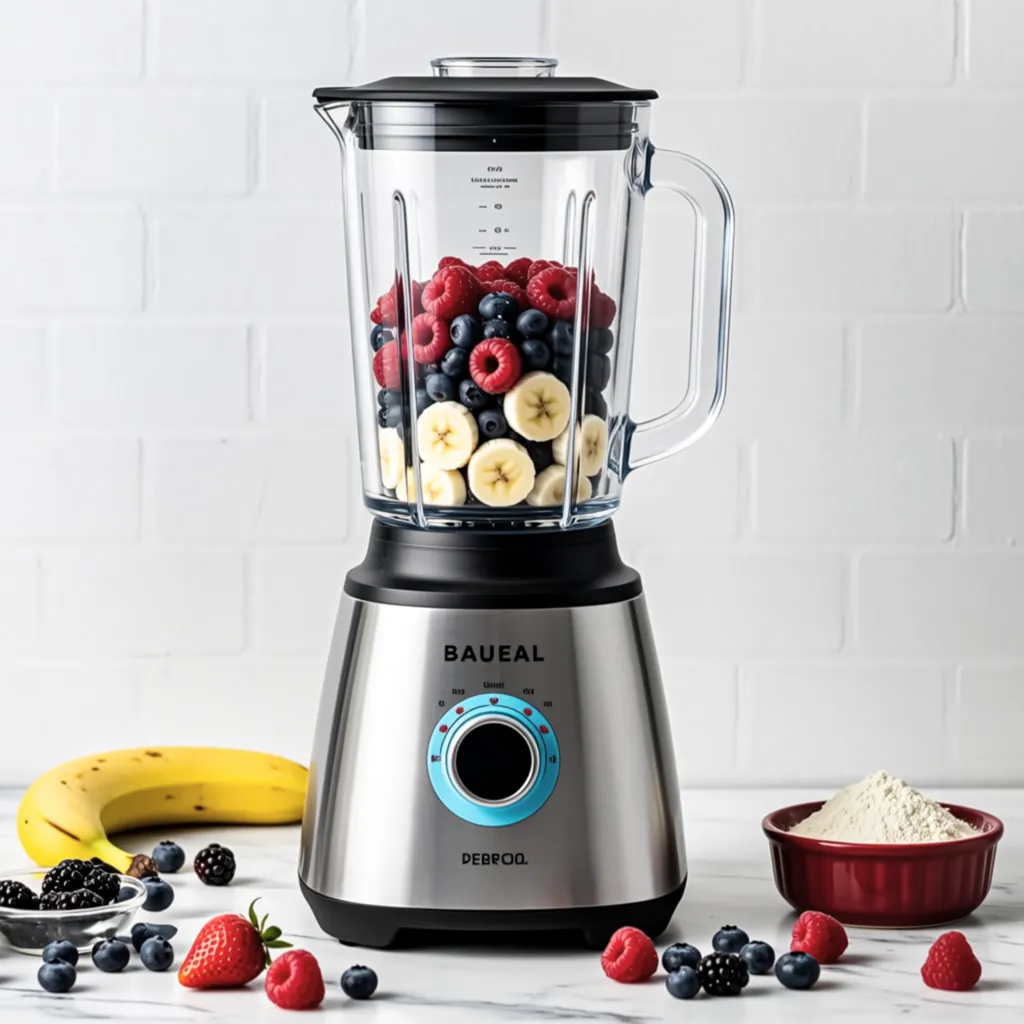
2) “Better than a shake” smoothie formula
- 1 scoop chocolate protein
- 1 frozen banana
- 1 tbsp peanut butter
- 1 tbsp cocoa powder (optional but great)
- Plant milk to blend
- Pinch of salt
That pinch of salt is the difference between “fine” and “wait this is good.”
3) Vegan protein pancakes (weekend energy)
Replace about 1/4 cup of flour with protein powder in your favorite pancake recipe. If it gets dry, add a bit more plant milk. Protein powders vary a lot here.
If you want more of these practical add ins, this is exactly the kind of “wellness friendly but still normal food” content we publish on Easy Recipes Dash. Worth bookmarking if you are trying to eat higher protein without living on shakes.
How to read a label (fast)
You do not need to be a nutrition scientist. Just scan for these:
- Protein per serving: ideally 20g+ unless it is hemp style
- Servings per container: check this, tubs are deceptive
- Sweetener: stevia, monk fruit, cane sugar, coconut sugar
- Fiber: can be helpful, can also cause bloating if very high
- Additives: gums and thickeners are common, not automatically bad, just note if they mess with you
My practical picks (based on goals)
Not brand names, because you can find these patterns everywhere.
If you want the easiest “daily driver”
Pick a pea + rice blend, chocolate flavor, lightly sweetened.
If you hate sweet flavors
Pick unflavored pea or soy isolate. Add it to oats, smoothies, baking.
If you want the smoothest texture
Try soy isolate or a blend that is not rice heavy.
If you want more “whole food” vibes
Try hemp or a seed blend, but accept the lower protein density.
If you are sensitive digestion wise
Avoid sugar alcohols, start with half servings, and consider a simpler ingredient list.
Common questions (that I hear constantly)
Is vegan protein powder “complete”?
Many are, especially blends or soy based. Pea + rice blends are common specifically because they complement amino acids.
Can you build muscle with vegan protein powder?
Yes. Total protein intake and training matter most. Also overall calories. Powders just make it easier to hit targets.
Is it better to get protein from food instead?
Generally yes, because whole foods bring fiber, micronutrients, and more satiety. But powders are a tool. A helpful one.
A simple way to start (without overthinking it)
If you are new to vegan protein powders, do this:
- Buy a small chocolate pea + rice blend first.
- Test it in a smoothie with banana and peanut butter.
- If digestion is fine, keep it. If not, switch the base next time (soy or a different blend).
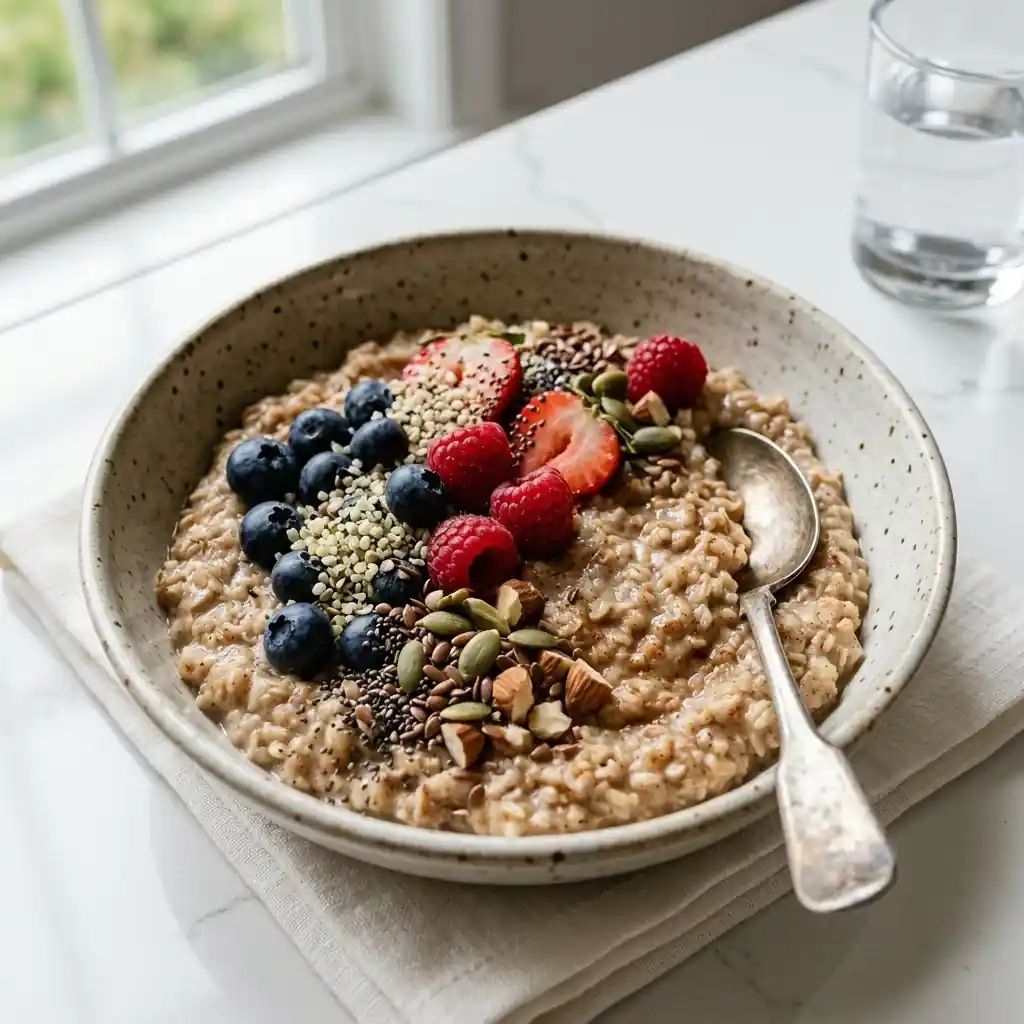
For those considering the nutritional aspects of plant-based diets, it's worth noting that vegan protein powders can be part of a balanced diet.
Final thoughts
Vegan protein is not the issue. The issue is finding options you will actually stick with.
If you love cooking, lean on tofu, tempeh, lentils, beans, and seitan. If you are busy, use a protein powder to fill the gap. No guilt either way.
Just do not buy a giant tub of “birthday cake kale superfood pea isolate” on your first try. Please.
FAQs
What are the main challenges of getting enough protein on a vegan diet?
The challenge isn't that protein is hard to get on a vegan diet, but it can feel inconvenient. You often have to cook from scratch like making lentils or drink protein powders that may taste bland or unpleasant.
What are some top vegan protein foods besides powders?
Top vegan protein foods include tofu and tempeh (versatile and complete proteins), lentils and beans (fiber-rich and cheap), seitan (high protein with meaty texture), edamame (fast and complete protein), and nuts and seeds (good for minerals and healthy fats). These should form the basis of meals rather than relying solely on powders.
How do I choose a good vegan protein powder?
Good vegan protein powders are judged based on taste in water, texture, how well they blend, ingredients (watch for sweeteners or gums), protein per serving, digestibility, price per serving, and how they work in recipes like oats or smoothies.
What types of vegan protein powders are commonly used and what are their characteristics?
Common types include pea protein (thick, earthy, great for smoothies), brown rice protein (gritty, lighter body, good in blends), soy protein isolate (smooth, neutral, high quality), hemp protein (earthy, whole food vibe but less dense), and pumpkin seed protein (nutty, good in chocolate flavors). Each has pros and cons regarding taste and texture.
Can I use vegan protein powders in regular cooking without making my kitchen feel like a supplement aisle?
Yes! The goal is to incorporate vegan protein powders into normal food like oats, pancakes, or smoothies with simple recipes that keep your cooking flavor-forward and practical rather than overwhelming your kitchen with supplements.
Are there any health considerations when choosing between different vegan proteins like soy or pea?
Yes. For example, soy protein isolate is a complete high-quality protein but should be avoided if you avoid soy. Pea protein offers certain health benefits but may have an aftertaste. Brown rice complements amino acids well. It's important to consider digestion comfort and personal dietary needs when selecting proteins.