Table of Contents
Table of Contents
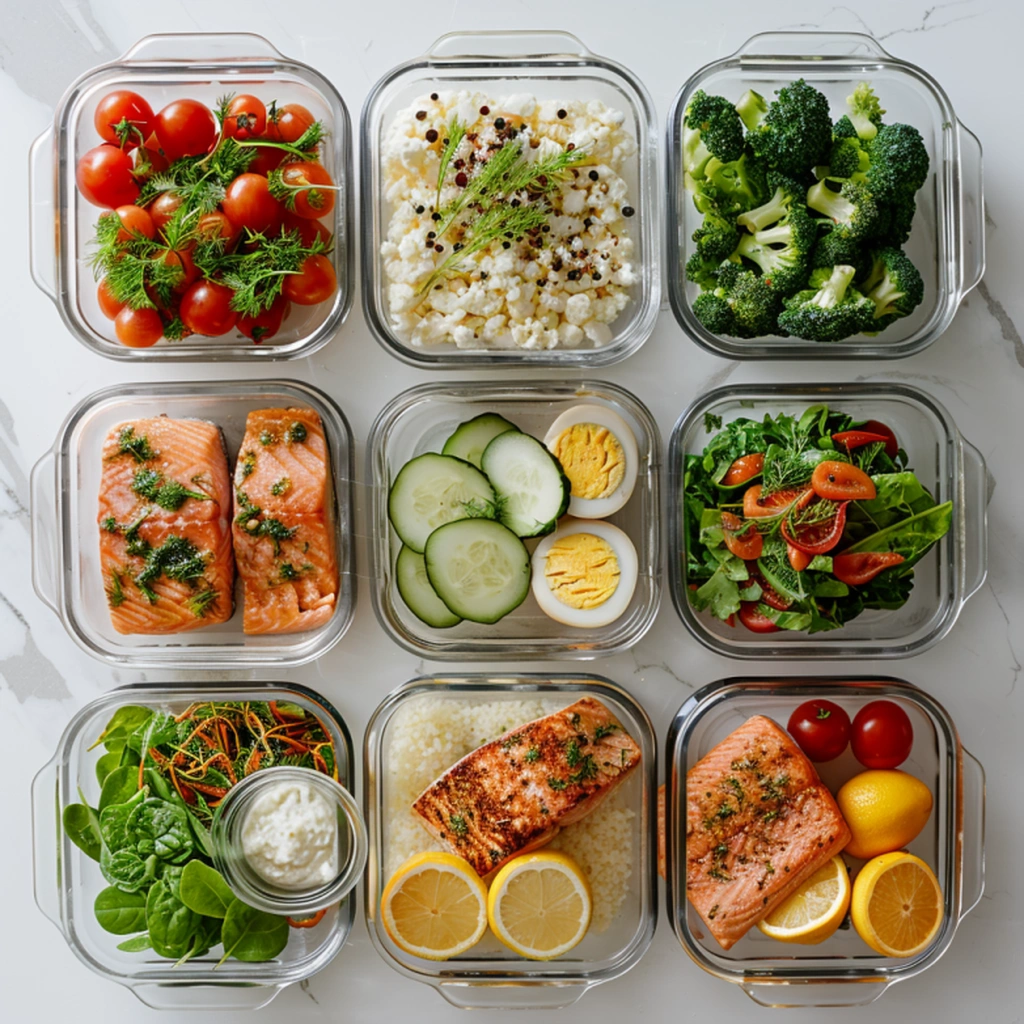
If you’ve been anywhere near weight loss TikTok, late night TV, or even just scrolling Amazon reviews at 11:47 pm, you’ve probably seen GOLO pop up. Usually it’s framed as this simple metabolism fix. A plan plus a supplement. People say the scale finally moved, especially when pairing a structured Golo Diet Plan with practical Golo Diet Recipes and a clear Golo Diet Plan Food List full of real, everyday foods.
And look. Sometimes it does.
But there’s a lot mixed together here. A reasonable diet structure, a branded supplement called Release, some pretty big claims about insulin and “metabolic fuel,” and then the real world stuff like cost, food rules, and whether you can actually stick with it. That’s where things like high protein meal prep, low carb dinner choices, high protein low carb recipes, and even prediabetic recipes start to matter in a real-life routine.
So let’s slow it down and do a real Golo diet analysis, including how the plan works, what you actually eat, what the supplement is, how much it costs, and who it might be a decent fit for. We’ll also look at how it fits into easy weeknight meals, balanced meal prep, and practical healthy dinner ideas you can actually maintain.
Quick note: I’m not a doctor and this isn’t medical advice. If you’re on meds for diabetes, blood pressure, or thyroid, or you’re pregnant or breastfeeding, talk to your clinician before using any weight loss supplement.
What is the GOLO diet, really?
GOLO is a weight loss program that combines:
- A structured eating plan (their “Metabolic Fuel Matrix” and portion guidelines)
- A supplement called Release (sold as the thing that supports metabolic health and blood sugar balance)
- Coaching/community (varies depending on what you buy)
The marketing focuses heavily on insulin resistance and “resetting metabolism.” The program positions itself as different from basic calorie counting because it targets hormonal drivers of weight gain.
However, under the hood, the eating plan mostly resembles a moderate calorie deficit with balanced macros – higher protein, higher fiber, and fewer ultra processed carbs. This is not inherently bad; it's just less magical than the ads make it feel.
Interestingly, if you're considering alternatives to the GOLO diet or want to explore other dietary options such as the Atkins diet or Keto diet, there are plenty of resources available. Each of these diets have their unique structures and benefits which could be worth exploring based on your personal health goals. For instance, the Keto diet is known for its high-fat low-carb approach while diets like the Pink Salt diet offer different nutritional frameworks altogether.
The core idea GOLO pushes (insulin + “metabolic fuel”)
GOLO says weight gain is strongly tied to chronically high insulin and poor insulin sensitivity. That can be true for some people, especially those with prediabetes, metabolic syndrome, PCOS, or a long history of yo yo dieting.
Where it gets tricky is that weight loss itself improves insulin sensitivity, even if you don't do a specific branded method. So the question becomes: Is GOLO doing something unique, or is it simply making it easier to eat in a way that supports a calorie deficit and stable blood sugar?
In most cases, it's probably the second one.
How the GOLO diet plan works (the basic structure)
GOLO uses a system that encourages 3 meals per day (snacks optional), with each meal built from four categories: protein, carbs (often lower glycemic, higher fiber), fats, and vegetables.
They recommend eating from a list of “approved” foods and building plates that are not just carbs on carbs on carbs.
The “Metabolic Fuel Matrix” (what you're allowed to eat)
Foods are grouped into categories based on how they impact blood sugar and how nutrient dense they are.
What GOLO leans toward:
- Lean proteins (chicken, turkey, fish, eggs, Greek yogurt)
- Fiber rich carbs (beans, oats, quinoa, whole grains, berries)
- Healthy fats (olive oil, nuts, avocado)
- Tons of vegetables
What GOLO leans away from:
- Sugary drinks and desserts
- Refined grains (white bread, many pastries)
- Highly processed snacks
- Big portions of starchy carbs without protein/fiber
So far, normal nutrition advice.

What do you actually eat on GOLO? (Sample day)
This is the part most people want. Not the theory. The food.
Here’s a realistic “GOLO style” day, without making it weird.
Breakfast
- Veggie omelet (2 eggs + spinach + peppers)
- 1 slice whole grain toast
- 1 tsp butter or olive oil spread
Optional: berries on the side
Lunch
- Big salad with chicken
- Chickpeas or quinoa
- Olive oil + vinegar dressing
- A piece of fruit
Dinner
- Salmon or tofu
- Roasted broccoli and carrots
- Brown rice or sweet potato
- A little avocado or olive oil
Snack (optional)
- Greek yogurt with cinnamon
- Or apple + peanut butter
- Or cottage cheese + cucumber slices
If you’ve ever followed a Mediterranean diet, which is higher in protein, it’ll feel familiar. And honestly, if you want recipes that fit this vibe without spending your whole evening measuring stuff, that’s basically what we do over at Easy Recipes Dash. Simple meals, real flavor, not “sad diet food.” (You can start with our lighter wellness-friendly ideas and build from there.)
Does GOLO restrict calories?
GOLO doesn’t lead with “count calories,” but most people end up in a calorie deficit because:
- Meals are structured and portioned
- Protein goes up (more filling)
- Fiber goes up (more filling)
- Ultra processed foods go down (easy to overeat)
If someone loses weight on GOLO, it’s very likely because they’re eating fewer calories overall, even if they’re not tracking.
That’s not a knock. It’s just the mechanism.
The GOLO supplement: What is Release?
GOLO’s supplement is called Release. It’s a capsule you take with meals (dosage depends on the plan).
It’s marketed as supporting:
- blood sugar balance
- insulin function
- reduced cravings
- metabolism support
What’s in GOLO Release?
Formulas can change, so you should always verify on the official label. Commonly discussed ingredients include things like:
- Berberine (often used for blood sugar support)
- Chromium
- Magnesium
- Zinc
- Various plant extracts (some tied to glucose metabolism claims)
Some of these ingredients have research behind them, especially berberine and magnesium in certain populations. But supplement research is messy. Effects vary. Doses matter. Product quality matters.
Also, if you’re on medications (especially for diabetes), combining glucose-lowering supplements can be risky.
The honest answer
It can, mostly because it nudges people into a sustainable pattern:
- balanced meals
- fewer blood sugar spikes
- higher satiety
- fewer “snack spirals”
- better structure
The supplement might help some people with cravings or glucose management, but it’s not required for fat loss in the laws of physics sense.
Why some people see big results
A few common reasons:
- They finally eat enough protein
- They stop doing extreme restriction then bingeing later
- Their diet becomes more consistent (less chaotic)
- They reduce liquid calories and refined carbs without feeling punished
- They’re prediabetic or insulin resistant, and steadier meals help them feel better quickly
Why others don’t
- They’re already eating pretty balanced and GOLO doesn’t change much
- They rely on the supplement but don’t change food habits
- The plan feels too rigid
- Cost makes them inconsistent
- They expect fast results without a calorie deficit
GOLO diet pros and cons (the real ones)
Pros
- Encourages balanced meals instead of “just cut carbs”
- Higher protein and fiber tends to reduce hunger
- Easy to build meals without tracking every gram
- Can be compatible with family meals (not a weird “separate diet dinner”)
Cons
- The supplement is pricey and becomes the center of the program
- Marketing can overpromise “metabolic reset”
- Some people experience digestive side effects from supplements (depends on ingredients)
- Not ideal if you have a history of disordered eating and rigid rules trigger you
- If you stop buying Release, you might feel like you “stopped GOLO” even if you’re still eating the same way
Full GOLO cost review (what you’ll actually pay)
GOLO pricing changes and there are bundles, promos, and subscription options, so I’m not going to pretend a single number is always correct.
But here’s the practical cost breakdown idea:
What you’re paying for
- Release supplement (main recurring cost)
- Sometimes a starter kit that includes guides and community support
- Optional coaching or add ons
In general, expect something like:
- 1 bottle roughly equals about one month for many users, depending on dosing.
- Buying in bulk often reduces the per-bottle cost.
- Subscriptions can lower cost but lock you in unless you cancel properly.
For those seeking alternatives to the GOLO diet, exploring other options such as the Noom diet or an anti-inflammatory diet may provide more flexibility and balance in meal planning.
The hidden cost
Even if the supplement wasn’t a factor, the eating plan tends to push you toward:
- more produce
- more lean protein
- more whole foods
Which can raise grocery bills if you were living on cereal, frozen pizza, and “whatever’s in the pantry.”
Not always. But it’s a shift.
GOLO meal plan: What a week could look like (simple, normal food)
Not GOLO official. Just GOLO compatible.
Day 1
- Breakfast: Greek yogurt + berries + chopped nuts
- Lunch: Turkey wrap in a whole grain tortilla + side salad
- Dinner: Chicken stir fry with veggies + brown rice
Day 2
- Breakfast: Eggs + sautéed spinach + toast
- Lunch: Lentil soup + side of fruit
- Dinner: Shrimp tacos on corn tortillas + cabbage slaw + avocado
Day 3
- Breakfast: Oatmeal + peanut butter + banana slices
- Lunch: Tuna salad bowl with beans + greens
- Dinner: Steak or tofu + roasted veg + sweet potato
If you want recipes that fit this pattern without needing a spreadsheet, grab a couple weeknight meals from Easy Recipes Dash and rotate them. That’s usually what makes these plans actually stick. Same structure, different flavors.
Common questions people have about GOLO
Is GOLO low carb?
Not strictly. It’s more like smart carb. You can still eat carbs, just like in a low carb keto diet, but it emphasizes carbs that come with fiber and nutrients, and pairing carbs with protein and fat.
Can you do GOLO without the supplement?
Yes, you can follow the eating structure without buying Release. Whether that feels “worth it” depends on why you were drawn to GOLO in the first place.
Is GOLO safe?
For many healthy adults, a balanced diet approach is fine. But the supplement is the variable.
If you have:
- diabetes or take glucose-lowering meds
- blood pressure meds
- are pregnant/breastfeeding
- liver or kidney conditions
You should get medical guidance before using Release.
Side effects?
Some users report:
- GI upset (bloating, nausea, changes in bowel movements)
- headaches
- feeling jittery (less common, depends on ingredients and sensitivity)
And some users report nothing at all.
Who GOLO is best for (and who should skip it)
GOLO might be a decent fit if:
- You want structure but hate counting calories
- You struggle with cravings and energy crashes
- You can afford the supplement and want that “program” feeling
- You do better with defined food categories and a plan
You might want to skip GOLO if:
- You’re on meds that interact with blood sugar or blood pressure changes (unless cleared)
- You already eat a high protein, high fiber whole foods diet
- You don’t want supplements involved at all
- Budget is tight and the supplement cost will stress you out (that matters more than people admit)
My take: what GOLO gets right, and what to watch
GOLO gets a few key things right:
- It pushes people toward balanced plates, not extremes.
- It quietly fixes the “I eat carbs all day then crash” loop.
- It’s more sustainable than crash diets for many people.
But you should go in with clear eyes:
- Weight loss comes from a calorie deficit. GOLO helps people create one. It doesn’t bypass it.
- The supplement might help. It might also do nothing noticeable. You’re paying to find out.
- The best plan is the one you can repeat on a random Tuesday when life is annoying.
If you like the GOLO meal structure but want to keep it food-first, treat it like a template. Build meals around protein, fiber, and flavor. That’s literally the whole game. And if you need easy ideas, Easy Recipes Dash is built for exactly that. Quick mains, simple sides, lighter wellness-friendly stuff that still tastes like something.
If you're considering a more structured approach to your diet, you might want to explore some diet plans and weight loss programs. These plans often offer a balanced and reasonable approach that could lead to weight loss if followed consistently.
Alternatively, if you're interested in trying out some unique dietary methods, bariatric seed diet recipes could be an interesting avenue to explore. These recipes are designed to be both nutritious and effective for weight loss.
Another method that has gained popularity is fasting for weight loss. This approach can be incorporated into your routine alongside the GOLO meal structure for potentially better results.
Let’s wrap this up
A fair Golo diet analysis looks like this:
- The diet plan: reasonable, balanced, and likely to cause weight loss if you follow it consistently.
- The supplement (Release): potentially helpful for some, not required for weight loss, and it’s the biggest ongoing cost.
- The cost: can add up fast, especially long term.
- Best use case: people who want structure, struggle with cravings, and like having a “system.”
If you’re considering GOLO, I’d decide one thing first. Are you paying for a supplement because you truly want to try it, or are you paying because it makes you feel like the plan is real?
Because the food part is already real. And you can start that part today in your own kitchen without waiting for a box to show up.
If you want, browse Easy Recipes Dash and pick 5 or 6 simple recipes you’ll actually cook. That’s usually where weight loss gets quietly easier. Not perfect. Just repeatable.
FAQs
What is the GOLO diet and how does it work?
The GOLO diet is a weight loss program that combines a structured eating plan called the Metabolic Fuel Matrix, a supplement named Release, and coaching or community support. It focuses on improving insulin sensitivity and metabolic health through balanced meals with lean proteins, fiber-rich carbs, healthy fats, and vegetables, aiming to create a moderate calorie deficit.
What foods are recommended on the GOLO diet?
GOLO emphasizes eating lean proteins like chicken, turkey, fish, eggs, and Greek yogurt; fiber-rich carbohydrates such as beans, oats, quinoa, whole grains, and berries; healthy fats including olive oil, nuts, and avocado; plus plenty of vegetables. The diet avoids sugary drinks and desserts, refined grains like white bread and pastries, highly processed snacks, and large portions of starchy carbs without protein or fiber.
What is the ‘Release' supplement in the GOLO program?
Release is the branded supplement sold as part of the GOLO program that supports metabolic health and blood sugar balance. It is marketed as helping to regulate insulin levels and improve metabolism alongside the structured eating plan.
How does GOLO address insulin resistance in weight loss?
GOLO targets chronically high insulin levels and poor insulin sensitivity as key drivers of weight gain. While weight loss itself improves insulin sensitivity regardless of method, GOLO aims to make it easier to eat in a way that supports stable blood sugar and hormone balance through its meal structure and supplement.
Can I stick to the GOLO diet long-term?
The GOLO diet promotes realistic meal plans with balanced macros that many find sustainable due to its focus on whole foods and portion control. However, individual adherence depends on personal preferences regarding food rules, cost of supplements, and lifestyle compatibility.
Is the GOLO diet suitable for everyone?
GOLO may be beneficial for people dealing with insulin resistance issues like prediabetes or PCOS. However, if you are on medication for diabetes, blood pressure, thyroid conditions, pregnant or breastfeeding, it's important to consult your healthcare provider before starting any weight loss supplement or new diet plan.