Table of Contents
Table of Contents
Let’s be real for a second. Most of us don’t wake up excited to measure chia seeds and sauté kale at 7:11 am.
We wake up late. We’re hungry. We want a quick breakfast that doesn’t leave us starving again an hour later.
That’s exactly why weight loss shakes, meal replacement smoothies, and smoothie recipes healthy enough for a weight loss diet are everywhere right now. But not all shakes are created equal, and not all fat burning smoothies or protein shakes for fat loss actually keep you full.
Some are basically dessert in a bottle. Some are glorified protein water. And some, especially the right fat burning smoothie recipes and high protein smoothie recipes are actually satisfying, balanced, and realistic for easy meal prep.
This guide is about those ones.
We’ll break down the best meal replacement shakes, including meal replacement protein shakes and homemade meal replacement shakes, plus exactly how to make meal replacement shakes that work for real life. You’ll also find healthy smoothies for breakfast that balance nutrition with a crave-worthy smoothie aesthetic.
And since you’re on Easy Recipes Dash, I’ll give you simple, no-fuss formulas you can actually stick with, because if it’s not easy, it’s not happening.
Disclaimer (quick and important)
This article is for general informational purposes and is not medical advice. If you have medical conditions, are pregnant, or have specific nutrition needs, check with a registered dietitian or your healthcare provider before making major diet changes.
Quick note before we start
“Weight loss shakes” can mean two different things:
- Meal replacement shakes
These are meant to replace a full meal. They should have enough protein, fiber, and a reasonable calorie level to keep you full. - Protein shakes
These are mostly protein. They’re great for hitting protein targets, but they may not replace a meal unless you build them up.
If you mix them up (like using a 120 calorie protein shake as lunch), you’ll probably get hungry later and end up snacking hard. It happens.
But don't worry, incorporating fasting for weight loss strategies can help manage those hunger pangs effectively while still enjoying your favorite shakes!
What actually makes a shake good for weight loss
If you remember nothing else, remember this: a “weight loss” shake is just a shake that helps you stay in a calorie deficit without feeling miserable.
Here’s what tends to work best.
1. Protein is the anchor
Most people do well with 25 to 40g protein per shake if it’s replacing a meal.
Protein helps with fullness, and it helps preserve muscle when you’re losing weight. Which matters more than people think, because losing muscle makes your metabolism… not happy.
2. Fiber is the secret weapon
Fiber slows digestion and makes a shake feel like food instead of a sweet drink.
A lot of meal replacements aim for 5g fiber or more. Some hit 8 to 10g. That’s usually a good sign.
3. Calories should match the job
If it’s breakfast or lunch, many people land well around:
- 250 to 400 calories for a lighter meal replacement
- 400 to 600 calories for a more filling shake (especially if you’re tall, active, or using it as dinner)
The “right” number depends on your day. But a 180 calorie shake as dinner tends to end in pantry chaos.
4. Watch the sugar, but don’t obsess
If a shake has 20g added sugar, yeah, that’s probably not helping.
But if it has a few grams of sugar and still has protein and fiber, it might be totally fine. Some of the best tasting options have a little sugar. It’s not a moral failure. It’s just math.
5. The ingredient list should make sense
You don’t need perfect ingredients. You need tolerable ingredients.
If lactose messes you up, go whey isolate or plant based. If gums upset your stomach, pick a simpler powder.
Your body is the final judge. Not the label.
Best meal replacement shakes (ready to drink)
Ready to drink shakes are basically the “I have 12 minutes and no clean blender” solution. They can be expensive, but they’re convenient in a way that’s hard to beat.
Below are popular options people actually use for weight loss. I’m focusing on overall satiety, protein, sugar, and how they fit into real life.
Tip: If you’re using a ready to drink shake as a meal, consider pairing it with something crunchy and high fiber like an apple or baby carrots. It sounds silly, but chewing helps.
1. Premier Protein
- Usually 30g protein
- Typically low sugar
- Widely available and affordable
Not a full meal replacement on its own for everyone (fiber is usually low), but a strong option for protein. If you get hungry after, add a banana or a tablespoon of chia seeds in a separate cup and drink water. Small upgrades, big difference.
2. Fairlife Nutrition Plan (or Fairlife Core Power)
- Smooth taste, very drinkable
- High protein
- Often easier on the stomach for some people
This is one of those shakes people keep rebuying because it doesn’t taste like “protein.” If you struggle to get protein in, it’s a nice bridge.
3. Orgain (Plant Based RTD)
- Plant based
- Often includes fiber
- A bit more “oat-y” tasting
Great if dairy doesn’t work for you. Sometimes the texture is thicker, which can help fullness.
4. Soylent (Meal replacement style)
- Designed more as a true meal replacement
- Usually balanced macros, more calories than protein only shakes
If you want something closer to “this is lunch,” these tend to fit better. Not everyone loves the flavor. But functionally, it’s built for meal replacement.
5. Huel Ready to Drink
- Higher fiber
- More complete meal replacement vibe
- More “real food” thickness
These are filling. Like, genuinely. If you want a shake that doesn’t leave you hunting for snacks at 3 pm, Huel is worth considering.
Best meal replacement powders (mix at home)
Powders are cheaper per serving, and you can customize them. The downside is you need a shaker bottle or blender.
Here are popular categories that work well.
1. Complete meal replacement powders (all in one)
These usually include protein + fiber + fats + vitamins/minerals.
- Huel Powder
- Ka’Chava
- Soylent Powder
These can replace a meal more reliably than straight protein powder. The taste varies, and some are pricey, but you’re buying convenience and fullness.
2. “Protein + extras” blends
Some powders are mostly protein, but add fiber and greens or functional ingredients.
- Orgain protein powders
- Garden of Life meal or protein blends (varies by product)
These can work well if you don’t want a super processed meal replacement vibe, but still want more than whey and water.
Best protein powders for weight loss (what to buy and why)
Protein powder is not magic. But it makes it easier to hit protein targets without cooking another chicken breast at 9 pm. So it’s useful.
Here’s how to choose based on your body and your goals.
Whey concentrate
- Usually cheaper
- Creamier taste
- Can cause bloating for lactose sensitive people
Good if you tolerate dairy well and want the best taste for the price.
Whey isolate
- More filtered, less lactose
- Often easier on digestion
- Usually a bit more expensive
If you get stomach issues from whey concentrate, isolate is the first thing I’d try.
Casein
- Digests slower
- Very thick and filling
Casein can be great for nighttime hunger. It’s also great if you like pudding thick shakes.
Plant based blends (pea + rice is common)
- Dairy free
- Can be slightly grittier depending on brand
- Still very effective for protein goals
If you’re plant based or sensitive to dairy, don’t overthink it. Just find one you actually like.
Collagen (quick caution)
Collagen is not a complete protein. It can be great for joints/skin for some people, but it should not be your main protein powder for weight loss meal shakes.
You can add collagen, sure. Just don’t count on it as your primary protein source.
What to look for on the label (a simple checklist)
When you’re standing in the aisle reading a label like it’s a legal contract, here’s the fast checklist.
For a meal replacement shake:
- Protein: 25g+
- Fiber: 5g+
- Calories: 250 to 500 (depending on which meal)
- Added sugar: ideally low, but not the only factor
- Bonus: some fat (5 to 15g) can help fullness
For a protein shake (not full meal):
- Protein: 20 to 30g
- Calories: 100 to 200 (typical)
- Low sugar
- Minimal stomach irritants for you personally
How to use weight loss shakes without messing up your progress
Here’s the part that actually matters. Because even the best shake can backfire if you use it in a way that makes you hungrier later.
1. Replace one meal, not your whole life
Most people do best replacing one meal per day with a shake. Usually breakfast or lunch.
Two can work, but it gets mentally tiring. And then you miss chewing. And then you “just grab something” later and it’s… not ideal.
2. Don’t drink it in 90 seconds
Try to sip over 10 to 15 minutes. Fullness signals take time. If you chug, your brain doesn’t catch up. This aligns with the advice on eating slowly for weight loss.
3. Build it like a plate
A good meal has protein, fiber, and some fat. A good shake should feel similar.
If your shake is only protein powder + water, that’s fine sometimes. But if you’re trying to replace a meal, add something.
Also, be cautious of ultra-processed foods when choosing what to add or replace in your diet as they can lead to unwanted weight gain (what are ultra-processed foods).
4. Keep a “default recipe” you actually like
Decision fatigue is real. If you have one go-to shake that tastes good, you’ll stick to it.
If you have six complicated recipes and none are satisfying, you’ll quit.
7 easy weight loss shakes recipes (simple, filling, not weird)
These are designed to be realistic. Like, stuff you can make on a Tuesday.
Note: Calories will vary depending on your powder and portions. If you want more recipe style content like this, browse Desserts & Drinks and Flavors & Wellness on Easy Recipes Dash because that’s basically where these live.

1. The “actually filling” vanilla breakfast shake
Best for: breakfast replacement
- 1 scoop vanilla whey or plant protein
- 1 cup unsweetened milk (almond, dairy, whatever you like)
- 1/2 frozen banana
- 1 tbsp chia seeds
- Cinnamon pinch
- Ice
Blend. This one is thick, a little sweet, and keeps you full longer than you expect.
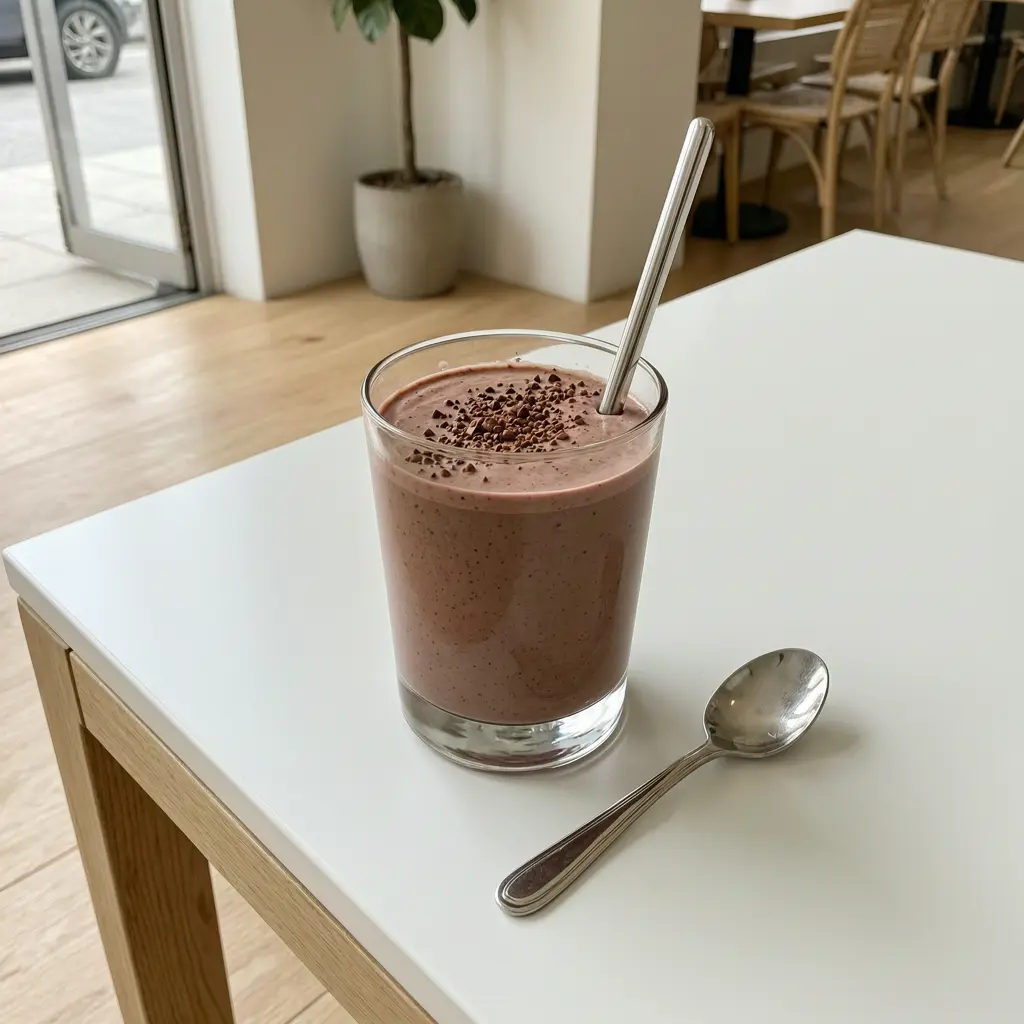
2. Chocolate PB “dessert but not really” shake
Best for: cravings, late afternoon hunger
- 1 scoop chocolate protein
- 1 tbsp peanut butter (or powdered PB if you prefer)
- 1 cup unsweetened milk
- 1 tsp cocoa powder (optional, but good)
- Ice + pinch of salt
That tiny pinch of salt makes it taste like a milkshake. It’s unfair.
You could also experiment with some bariatric seed diet recipes for weight loss to add variety to your shakes while keeping them healthy. Additionally, incorporating a pink salt recipe to lose weight could be an interesting twist to your usual shake routine!
To keep your energy levels up throughout the day and prevent those mid-afternoon slumps that often lead to unhealthy snacking, consider adding some foods that give you energy into your shakes or meals.
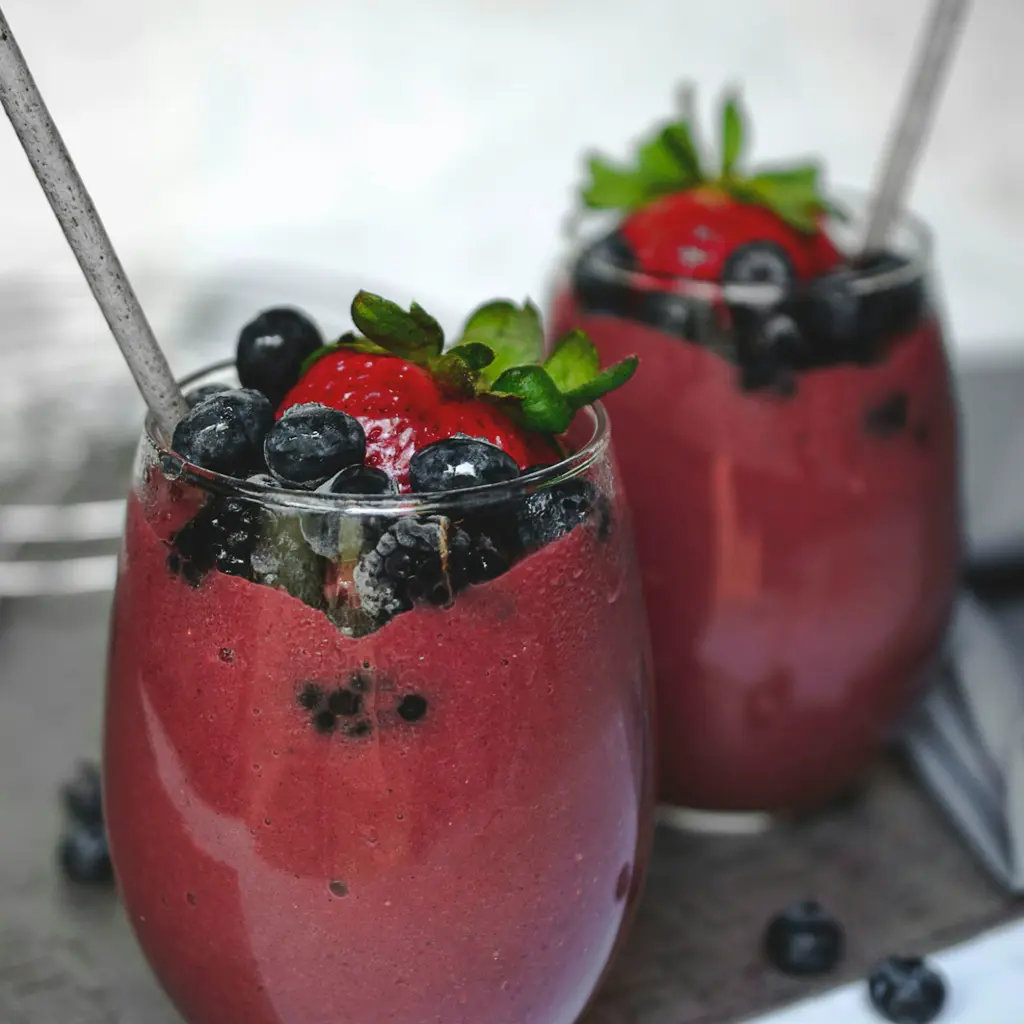
3. Berry yogurt protein shake (high protein, tangy)
Best for: lunch replacement
- 1 scoop vanilla protein
- 3/4 cup plain Greek yogurt
- 1 cup frozen mixed berries
- Water or milk to thin
- Optional: 1 tbsp ground flax
This is one of my favorites because it tastes like actual food. Not “supplement.”
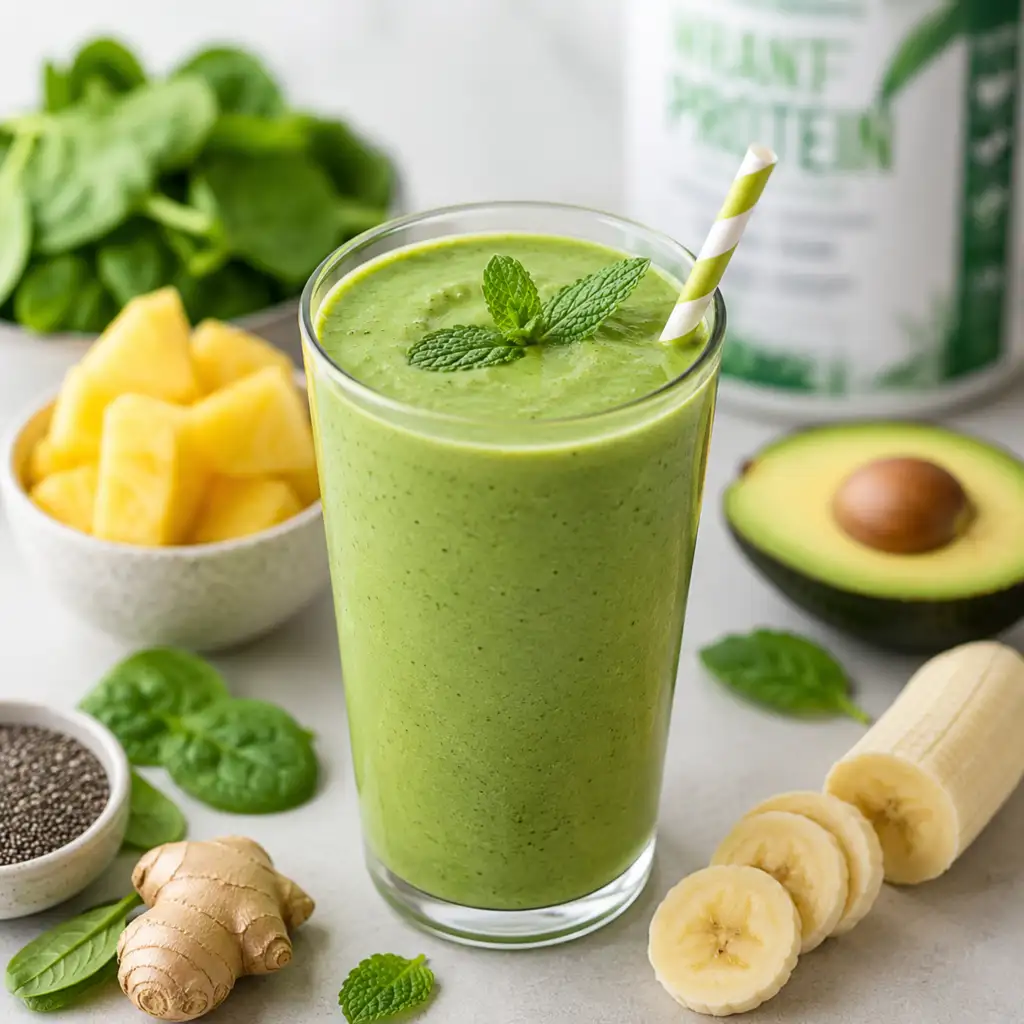
4. Green smoothie that doesn’t taste like lawn clippings
Best for: when you want lighter, not sweet-sweet
- 1 scoop unflavored or vanilla protein
- 1 cup spinach
- 1/2 frozen banana
- 1/2 cup pineapple (frozen is easiest)
- 1 cup water or coconut water
- Squeeze of lemon
The pineapple and lemon do all the heavy lifting here.
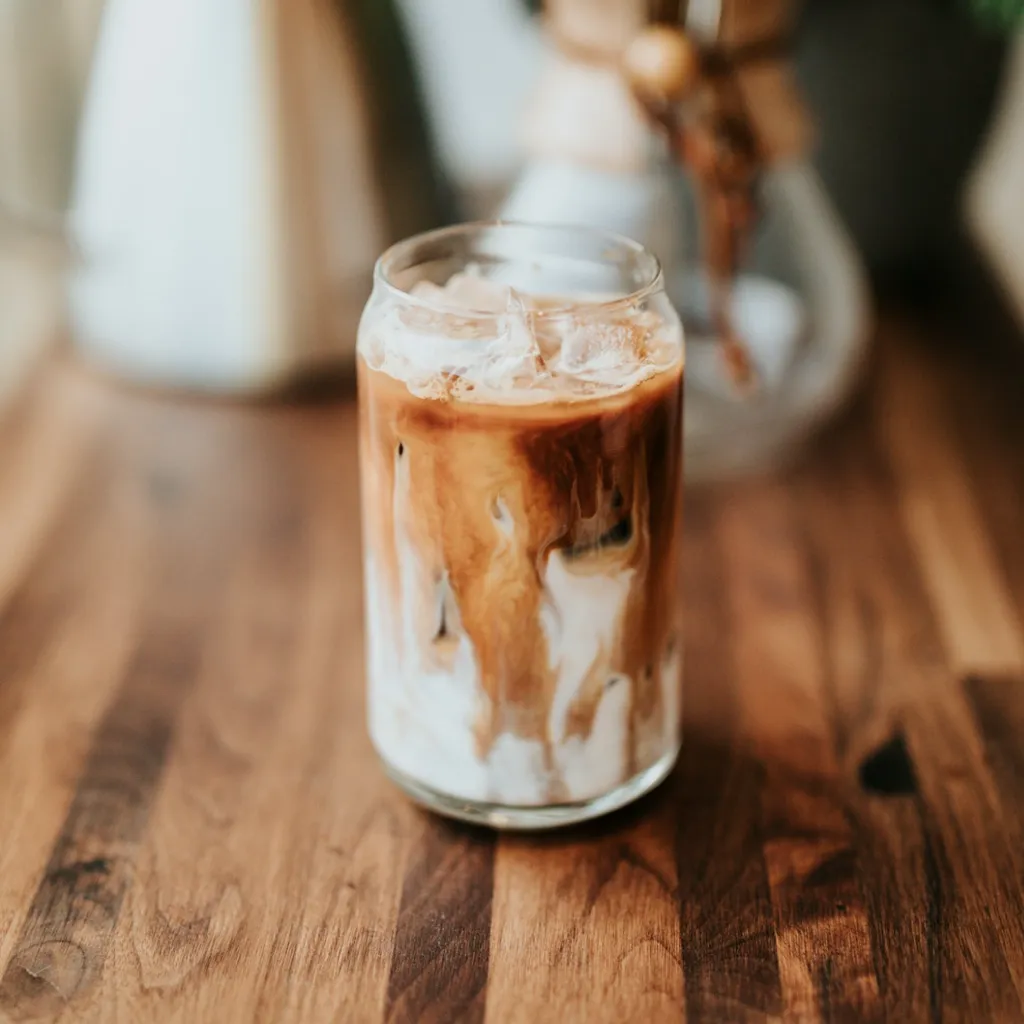
5. Coffee protein shake (the “I skipped breakfast” fix)
Best for: mornings, busy days
- 1 scoop vanilla or caramel protein
- 3/4 cup cold brew or strong coffee
- 1/2 cup milk
- Ice
- Optional: 1 tsp cocoa or cinnamon
If you already drink iced coffee, this is a very easy upgrade.
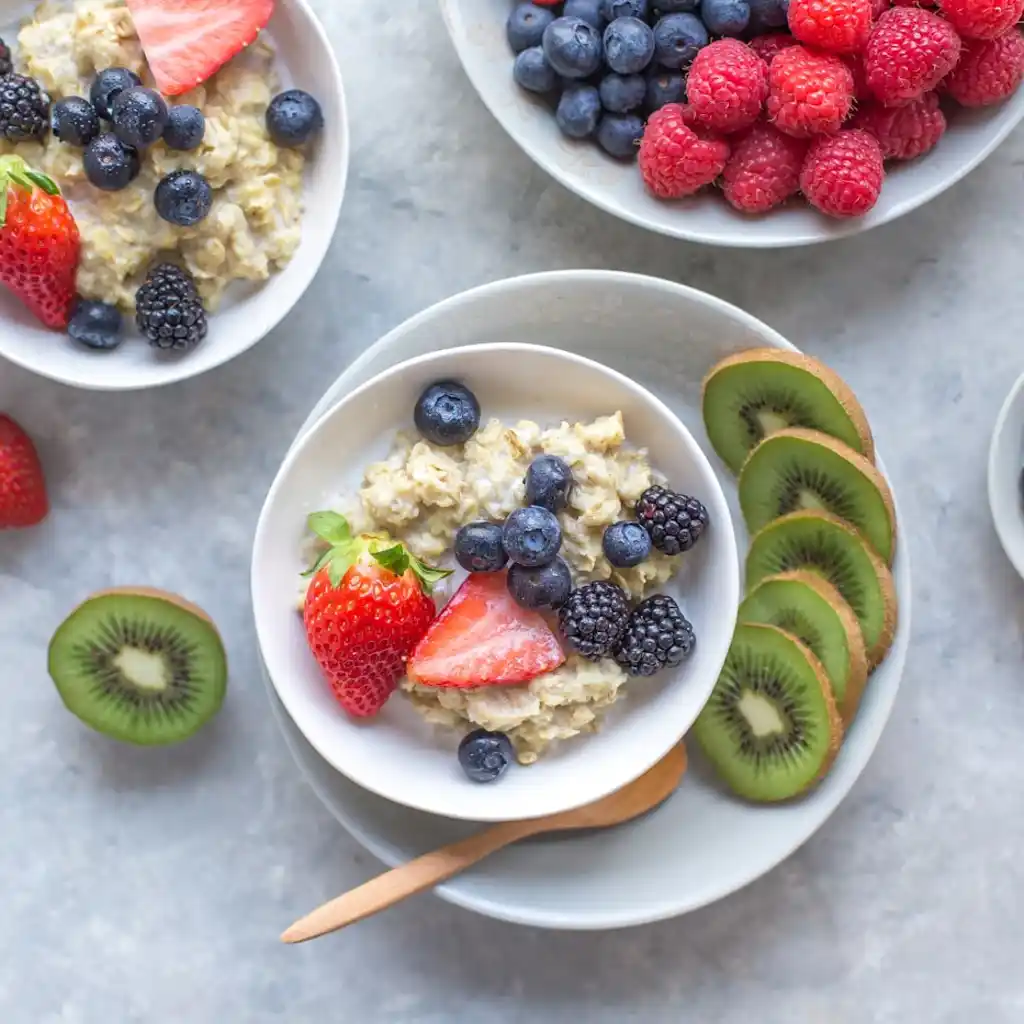
6. Oatmeal cookie shake (surprisingly good)
Best for: high satiety, meal replacement
- 1 scoop vanilla protein
- 1/3 cup oats
- 1/2 banana
- Cinnamon + tiny pinch of salt
- 1 cup milk
- Ice
Oats add thickness and slow digestion. If you hate thin shakes, this solves it.
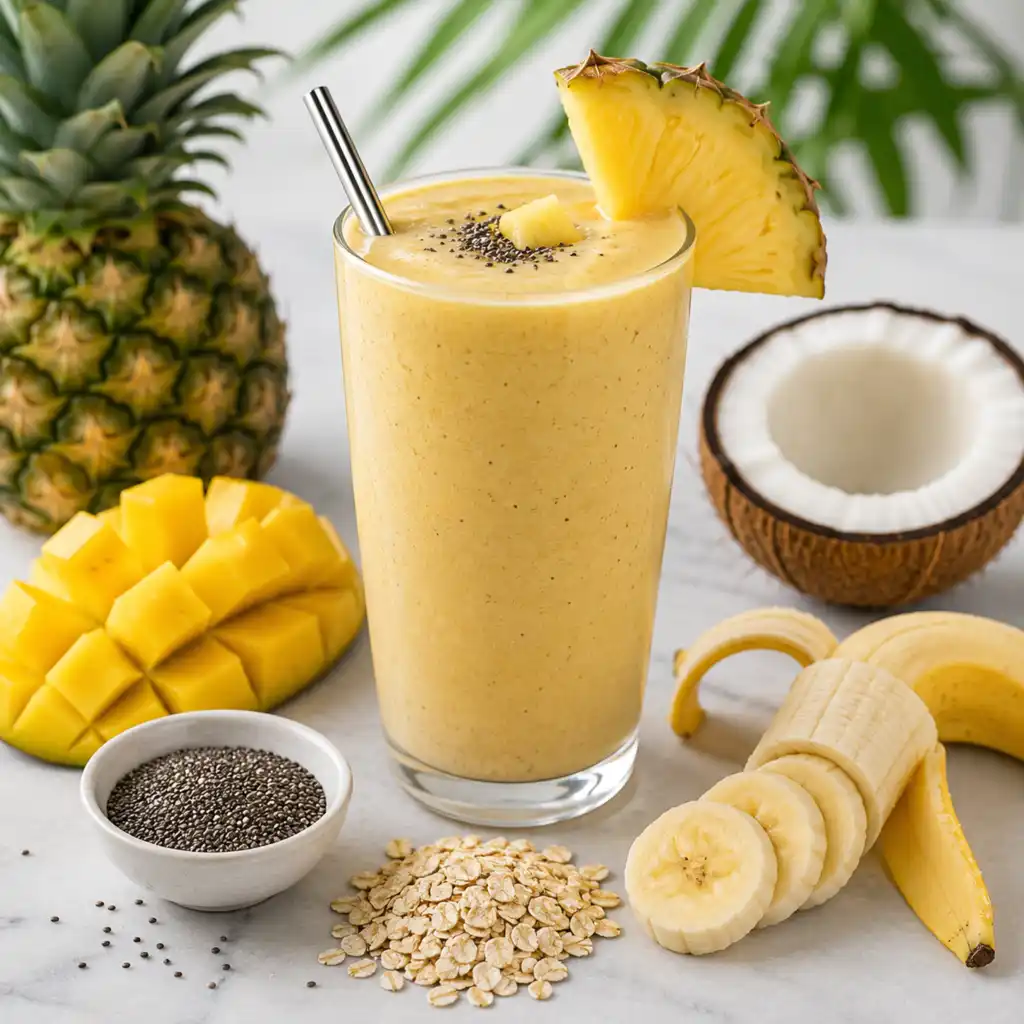
7. Tropical high fiber shake (no weird powders required)
Best for: digestion support, afternoon slump
- 1 scoop plant protein (vanilla works best)
- 1 cup frozen mango
- 1 tbsp chia or ground flax
- 1 cup water or almond milk
- Optional: fresh ginger (tiny piece)
This one tastes like vacation. Which is nice, because weight loss can feel… not like vacation.
Common mistakes (the stuff that makes people say “shakes don’t work”)
Mistake 1: Using a protein shake as a meal replacement
If it’s 140 calories and 30g protein, cool. But it might not replace lunch.
Fix: Add fiber (chia/flax/oats), fruit, or yogurt. Or choose a true meal replacement powder.
Mistake 2: Choosing “diet shakes” that are mostly sugar
Some “weight loss” shakes are basically sweetened carbs with a tiny bit of protein.
Fix: Look for protein first, fiber second. If those are strong, the rest is easier.
Mistake 3: Drinking shakes and still eating the same meals
This sounds obvious, but it’s common. People add a shake on top of their normal day and wonder why nothing changes.
Fix: Replace a meal or snack. Don’t just stack calories.
Mistake 4: Not accounting for extras
Peanut butter, honey, granola, full fat milk. These are fine. But they add up fast.
Fix: Use them intentionally. Measure once or twice so your “little spoonful” doesn’t become 300 calories.
So what’s the best weight loss shakes, really?
It depends on what you need.
- If you need grab-and-go convenience, a ready to drink high protein shake is the easiest win.
- If you need true meal replacement fullness, go with a powder designed for it (higher fiber, more calories).
- If you want the most flexibility, get a protein powder you like and build your shake with fiber and whole ingredients.
And honestly. The best one is the one you’ll keep making when you’re tired and cranky and you’d rather order something.
If you want more simple, doable ideas like these, poke around Easy Recipes Dash. The site is basically built for this exact situation. Real life food, not fantasy meal plans.
FAQs
What makes a weight loss shakes effective for staying full and losing weight?
An effective weight loss shakes helps you stay in a calorie deficit without feeling miserable. It typically includes 25 to 40 grams of protein to promote fullness and preserve muscle, 5 grams or more of fiber to slow digestion and make the shake feel like food, and an appropriate calorie level (usually between 250 to 600 calories depending on the meal) to keep you satisfied.
What is the difference between meal replacement shakes and protein shakes for weight loss?
Meal replacement shakes are designed to replace a full meal and contain enough protein, fiber, and calories to keep you full. Protein shakes mainly provide protein and may not be sufficient as a meal replacement unless built up with additional ingredients. Using a low-calorie protein shake alone as a meal can lead to hunger and overeating later.
How important is sugar content in weight loss shakes?
While high added sugar content (like 20 grams or more) in shakes can hinder weight loss efforts, having a few grams of sugar alongside protein and fiber is generally acceptable. Some of the best-tasting shakes include a little sugar, which is not a moral failure but simply part of balancing taste with nutrition.
What should I look for on ingredient labels when choosing a weight loss shakes?
Look for tolerable ingredients that agree with your body rather than perfect ones. Choose whey isolate or plant-based powders if lactose bothers you, and pick simpler powders if gums upset your stomach. Your body's reaction is the ultimate test for suitability.
Can ready-to-drink meal replacement shakes be convenient for weight loss?
Yes, ready-to-drink shakes are very convenient when you're short on time or don't have access to a blender. Popular options like Premier Protein, Fairlife Nutrition Plan, Orgain Plant-Based RTD, and Soylent offer varying levels of protein, fiber, and sugar that can fit into real-life weight loss plans. Pairing these shakes with crunchy high-fiber foods like apples or baby carrots can enhance satiety.
How many calories should my weight loss shakes contain depending on the meal?
For lighter meal replacements such as breakfast or lunch, aim for around 250 to 400 calories per shake. For more filling shakes used as dinner or by taller/active individuals, 400 to 600 calories may be appropriate. Consuming too few calories at dinner (e.g., 180 calories) often leads to increased snacking later.