Table of Contents
Table of Contents
Weight loss supplements are one of those things that sound like they should be simple.
Take a pill, curb appetite, melt fat, move on with your day.
But once you actually start looking? It’s a mess. Half the labels are basically a chemistry exam, the marketing is loud, and the reviews… well, people will swear something “changed their life” and then you find out they also started walking 10,000 steps a day and stopped drinking soda.
So this is a practical review. Not a hype piece.
We’re going to talk about what actually supports fat loss, which loss weight supplement options tend to be overhyped, what’s potentially risky, and how to choose something that aligns with your goals. We’ll also break down where vitamins for weight control and fat burning supplements for women fit into the bigger picture because supplements alone won’t carry the results.
Also, a reminder up front: Weight Loss Supplements can help a little. They do not replace food habits.
If you want the food side to feel easier, that’s literally what we do at Easy Recipes Dash. Simple meals, lighter comfort food, high fiber ideas, and realistic approaches to a gut health diet, the kind of stuff you can actually repeat without hating your life. You’ll also find supportive ideas like body tea blends, guidance on women vitamins and supplements, and how to build a sustainable plan using everyday vitamins for women.
Bookmark the site and bounce between this guide and the recipes when you’re building your daily wellness routine. The goal is healthy weight loss through easy healthy habits, not extremes you can’t maintain.
For instance, if you're considering fasting for weight loss, or looking for bariatric seed diet recipes, we've got you covered. We also offer various diet plans and weight loss programs that can complement your supplement regimen.
Important: This review is for informational purposes only and does not replace professional medical advice. Always consult with a qualified healthcare provider before starting any supplement, especially if you have underlying health conditions or are taking medication.
Quick note before we get into it (important)
If you are pregnant or breastfeeding, have a heart condition, anxiety/panic issues, uncontrolled high blood pressure, thyroid disease, kidney disease, liver disease, or you’re on meds (especially antidepressants, stimulants, blood thinners, diabetes meds)… talk to your clinician before starting anything “weight loss” from a bottle.
Also, if a product promises:
- “Lose 10 pounds in 7 days”
- “No diet needed”
- “Miracle fat burner”
- “Works while you sleep”
That’s your cue to close the tab.
It’s important to remember that while some products may seem appealing – like those touted in certain Noom diet reviews – not all weight loss solutions are created equal.
The only 4 supplement categories that consistently make sense
There are a million products, but most of them are just different costumes for the same small set of mechanisms.
Here are the categories that actually have a plausible path to helping:
- Appetite control / fullness support (usually fiber)
- Stimulant based thermogenesis (caffeine, green tea extract)
- Carb/fat absorption blockers (limited usefulness, sometimes messy side effects)
- Metabolic support / blood sugar support (berberine, maybe chromium… with caveats)
Everything else is usually a “maybe,” or it’s just marketing.
What I looked for in this review (so you can copy the checklist)
If you’re comparing tablets and supplements, look for:
- Transparent label (exact doses, no “proprietary blend” hiding amounts)
- Evidence-based ingredient + dose (not pixie dust)
- Basic safety (especially stimulants and liver-toxic risks)
- Realistic claims (no miracle language)
- Third party testing if possible (NSF, Informed Choice, USP, etc.)
- Fits your actual problem (snacking, cravings, low protein intake, late-night eating, energy, etc.)
Best Weight Loss Supplements (Tablets & Supplements) Reviewed
Below are the most common supplement “types” you’ll see, what they do, and who they’re best for.
1) Fiber supplements (Psyllium husk, glucomannan)
If I had to pick one category that is boring but genuinely useful, it’s fiber.
Not because fiber burns fat. It doesn’t.
It helps because it increases fullness, smooths digestion, and can reduce the “I need something crunchy right now” vibe that hits between meals.
Common forms
- Psyllium husk powder or capsules
- Glucomannan capsules (konjac root fiber)
- Mixed “soluble fiber blends”
What to expect
- Mild appetite reduction for some people
- Better regularity
- If you’re currently low fiber, the impact can feel bigger
Best for
- People who snack a lot
- People who don’t eat many plants
- Anyone doing calorie reduction who feels hungry quickly
Watch-outs
- Start low. Fiber can cause bloating if you go from 10g/day to 35g overnight.
- Drink enough water. Seriously.
How to use (simple)
- Take 20 to 30 minutes before a meal with a full glass of water.

If you’re going to pair this with food changes, a high fiber breakfast is the easiest win. We have a bunch of fiber-forward ideas on Easy Recipes Dash under wellness friendly recipes.
2) Protein supplements (whey, casein, pea, blends)
Not a “diet pill,” but if hunger is your biggest issue, protein is the most practical lever.
Protein powders can support weight loss because they make it easier to hit a higher protein intake without turning every meal into a cooking project.
Best for
- People who skip breakfast and then snack all afternoon
- People who struggle to build a protein routine
- Anyone trying to hold onto muscle while losing weight
What to look for
- 20 to 30g protein per serving
- Low added sugar (unless it’s meant as a meal replacement)
- A protein type you digest well
Watch-outs
- Some sugar alcohols can wreck your stomach.
- If dairy doesn’t love you, pick a good pea/rice blend.
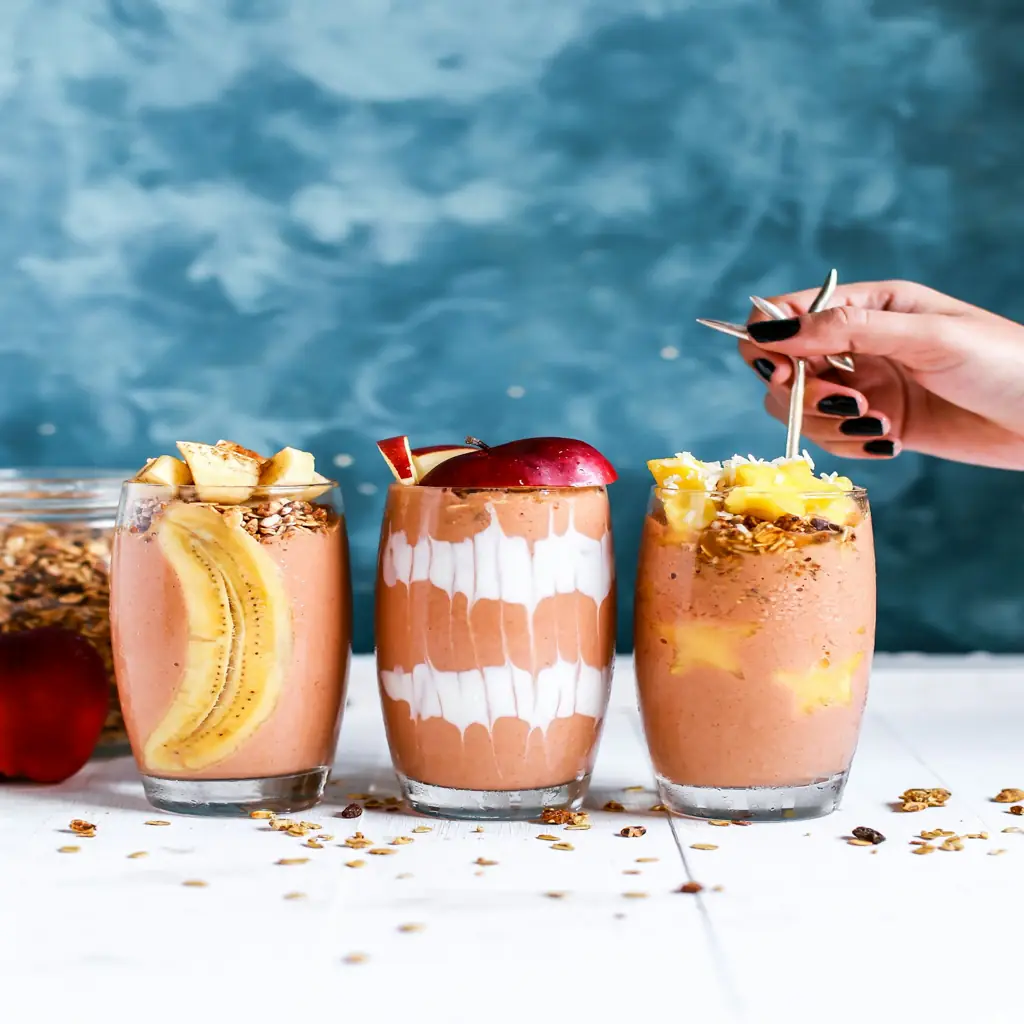
This is also where recipes matter. If you want, grab a few simple smoothie and high protein breakfast ideas from Easy Recipes Dash and treat supplements like backup, not the main plan.
3) Caffeine (tablets, coffee, pre-workout style “fat burners”)
Caffeine works. It increases alertness, can blunt appetite for a bit, and can increase energy expenditure slightly.
But… it’s the category most likely to backfire, because stress eating + poor sleep is a real thing.
Best for
- People who tolerate caffeine well
- Morning use, pre-workout, or as a replacement for high-calorie coffee drinks
Watch-outs
- Anxiety, jitters, heart palpitations
- Sleep disruption (even if you “feel fine,” your sleep quality might drop)
- Many “fat burners” stack caffeine with other stimulants
Practical advice If you already drink coffee, you may not need caffeine pills. If you do use tablets, keep the dose modest and avoid late-day use.
4) Green tea extract (EGCG) and green tea “fat burners”
Green tea extract is often paired with caffeine. The theory is that EGCG and caffeine together can support fat oxidation a bit.
Realistic expectation: small effect. Not dramatic. But it can be a decent add-on for some people.
Best for
- People who want a mild stimulant approach
- People who already do the basics (steps, protein, calorie awareness)
Watch-outs (important) High-dose green tea extract has been linked in rare cases to liver issues. This is more of a concern when people take high doses on an empty stomach.
What I’d do
- Don’t megadose.
- Avoid taking it fasted.
- Choose reputable brands.
5) Berberine (capsules)
Berberine is one of the more interesting supplements in the “blood sugar support” category. It’s sometimes compared (loosely) to metformin in how it may affect glucose metabolism.
This is not a casual candy vitamin, though. It can have real effects and real interactions.
Best for
- People with insulin resistance concerns (with clinician input)
- People who notice big carb cravings or blood sugar swings
What to expect
- Possible appetite and craving improvements indirectly
- GI side effects are common at first (cramps, constipation or diarrhea)
Watch-outs
- Medication interactions (especially diabetes meds)
- Not recommended for pregnancy
- Quality matters a lot here
For those interested in how Berberine can impact blood sugar levels, it's essential to consult with a healthcare professional before starting any new supplement regimen, especially if there are underlying health concerns or other medications involved.
6) “Carb blockers” (white kidney bean extract)
These products aim to reduce starch digestion by inhibiting alpha-amylase.
Some studies show modest effects. In real life it’s usually… modest. And it only helps if your diet is starch-heavy in the first place.
Best for
- People who eat a lot of pasta, rice, bread and are not ready to change that quickly
- Occasional use, not as a daily excuse
Watch-outs
- Gas and bloating
- If you use this as permission to eat more, you’ll cancel it out
7) “Fat blockers” (Orlistat style)
Over-the-counter versions exist in some regions, and prescription versions too. This category can reduce fat absorption.
But the side effects are famously unpleasant if you eat higher fat meals.
Best for
- People who can commit to a lower-fat diet consistently
- People who want a non-stimulant option and have clinician guidance
Watch-outs
- GI urgency, oily stools
- Can reduce absorption of fat-soluble vitamins (A, D, E, K)
8) CLA (conjugated linoleic acid)
CLA is everywhere in “body recomposition” marketing. Evidence for meaningful fat loss is weak and inconsistent, and some people get GI side effects.
If you’re asking me where to spend money, I usually put CLA in the “probably not” bucket.
9) L-carnitine
Common in fat-loss stacks. In healthy people, results tend to be modest at best unless there is a deficiency or specific context.
Not dangerous for most, but often not worth prioritizing over protein, fiber, and food structure.
10) Garcinia cambogia, raspberry ketones, “detox” pills
These are basically the classics of overhyped weight loss supplements.
If a label leans hard on “detox,” that’s usually code for laxatives or diuretics. You lose water, not fat. Then it comes back. And you feel weird.
This category is where I’d be strict: skip.
Best weight loss “tablets” vs powders vs gummies (what’s actually better)
Tablets/capsules
- Pros: convenient, stable dosing
- Cons: you can’t “build a meal” with them, and some are harsh on an empty stomach
Powders
- Pros: best for protein and fiber, easier to integrate into food
- Cons: taste matters, you’ll only use it if it fits your life
Gummies
- Pros: easiest to remember
- Cons: often underdosed, plus added sugar, plus people treat them like candy
If you want the format that helps most people consistently, it’s usually protein powder + a fiber strategy. The rest is optional.
A simple “stack” that’s actually reasonable (not medical advice)
If you want a low-drama setup, this is what tends to be both safe-ish and useful for many adults:
- Protein supplement (if you struggle to hit protein)
- Fiber supplement (if your diet is low fiber)
- Caffeine only if you tolerate it and it doesn’t hurt sleep
And that’s it.
Not seven bottles. Not a “thermo shred matrix.” Just the boring basics that support appetite control.
For those looking for additional weight loss strategies beyond supplements, consider incorporating natural remedies into your routine. For instance, using pink salt in your meals could potentially aid in weight loss as part of a balanced diet.
How to spot a sketchy supplement label in 30 seconds
If you see:
- “Proprietary blend” with no amounts
- 10+ ingredients all at tiny doses
- Claims like “melts fat”
- Before/after pics that look… staged
- No company address, no customer support, no testing info
Move on.
Also, be cautious with products that combine multiple stimulants (yohimbine, synephrine, high caffeine) especially if you’re sensitive.
The part nobody wants to hear: supplements work best when your food is already… kind of handled
You don’t need perfect clean eating. You need repeatable meals.
If your meals are chaotic, Weight Loss Supplements become this emotional crutch. You buy them, you feel hopeful for two days, then nothing really changes because dinner is still “whatever is in the freezer.”
If you want the simplest food structure that pairs well with supplements, try this:
- Protein at every meal
- One high fiber anchor per day (beans, lentils, oats, berries, chia, veg)
- A default lunch you can make on autopilot
- A lighter dessert option so you don’t feel deprived
That’s basically the DNA of the recipes we publish on Easy Recipes Dash, by the way. Not “diet food.” Just normal food that doesn’t sabotage you.
My straightforward picks (if you’re trying to choose today)
If you’re overwhelmed and just want the best odds of something helping without going into weird territory:
- Best for appetite and “I’m still hungry”: a fiber supplement (psyllium or glucomannan)
- Best for reducing snacky chaos: protein powder (because it changes meals)
- Best for energy and workouts: caffeine (only if sleep stays solid)
- Best “maybe, with caution” metabolic support: berberine (especially if you have blood sugar concerns, with medical guidance)
Everything else is secondary at best.
Additional Resources
For more detailed information about dietary supplements and their effects on health, including insights on weight loss supplements, feel free to explore the resources available online.
Wrap up
Weight loss supplements aren’t magic. But a few of them can genuinely support the unsexy stuff that causes weight loss to happen.
Hunger management. Consistent protein. Better routine. A little extra energy for movement.
If you want, use this article as the supplement side of the plan, then head over to Easy Recipes Dash and build the food side with a few go-to recipes you actually like. That combination tends to be what finally makes things click.
FAQs
Are weight loss supplements a simple solution for losing weight?
Weight loss supplements might sound simple, like taking a pill to curb appetite or melt fat, but in reality, they're not magic solutions. They can help a little but do not replace healthy food habits and lifestyle changes.
What should I watch out for when choosing weight loss supplements?
Avoid products promising rapid or miraculous results like “Lose 10 pounds in 7 days” or “Works while you sleep.” Look for transparent labels with exact doses, evidence-based ingredients, basic safety, realistic claims, and third-party testing if possible.
What are the main categories of weight loss supplements that actually work?
There are four supplement categories with plausible benefits: 1) Appetite control/fullness support (usually fiber), 2) Stimulant-based thermogenesis (caffeine, green tea extract), 3) Carb/fat absorption blockers (limited usefulness), and 4) Metabolic/blood sugar support (berberine, chromium with caveats).
How do fiber supplements aid in weight loss?
Fiber supplements like psyllium husk and glucomannan increase fullness, smooth digestion, and reduce cravings between meals. They don't burn fat directly but help control appetite and improve regularity, making calorie reduction easier.
Who should consider taking fiber supplements for weight loss?
Fiber supplements are best for people who snack frequently, don't eat many plants, or anyone reducing calories who feels hungry quickly. Starting with low doses and drinking enough water is important to avoid bloating.
Are there any safety concerns or precautions before starting weight loss supplements?
Yes. If you're pregnant, breastfeeding, have heart conditions, anxiety issues, uncontrolled high blood pressure, thyroid/kidney/liver disease, or take medications like antidepressants or blood thinners, consult your clinician before starting any weight loss supplements.
Should I take supplements before or after meals?
Depends. Fiber usually works best before meals with water. Stimulants earlier in the day. Green tea extract is often better with food. Berberine is commonly taken with meals, but dosing should be discussed with a clinician if you’re on meds.