
Table of Contents
Table of Contents
“Muscle food” is one of those phrases that sounds a little intense. Like you need a blender bottle, a gym membership, and a personality that says things like “macros” unironically.
But really, muscle food is just… food that helps your body build and repair. That’s it.
It’s protein, yes. But it’s also carbs that actually fuel your training. Fats that keep hormones happy. Fiber and micronutrients so you don’t feel like a tired, constipated robot by week two. And meals you can stick with, because you genuinely like eating them.
This is the version I come back to. Simple, normal ingredients. Real dinners. Quick breakfasts. A few snack ideas that don’t taste like chalk.
And if you want more of this vibe, Easy Recipes Dash has a bunch of approachable recipes and wellness leaning food guides that work in real life, not just on paper. You can start browsing here.
Note: This content is based on personal research and general nutrition information. It is intended for educational and lifestyle purposes only and does not constitute medical, nutritional, or fitness advice. Individual caloric and protein needs vary based on training intensity, body composition goals, age, and overall health. Always consult a doctor or registered dietitian before making significant changes to your diet, especially if you have an underlying health condition or are training for a specific athletic goal.
What counts as “muscle food” (without overthinking it)
If your goal is building muscle or just getting stronger, your food needs to do a few jobs:
- Provide enough protein to repair and build tissue
- Provide enough calories overall (you can’t build much from a deficit, generally)
- Support training performance (carbs matter, sorry internet)
- Support recovery (sleep is huge, but food helps a lot too)
And muscle food is not one single superfood. It’s patterns.
A helpful rule of thumb for meal building:
- Protein: chicken, turkey, eggs, Greek yogurt, cottage cheese, tofu, tempeh, beans, lentils, fish, lean beef
- Carbs: rice, potatoes, oats, pasta, quinoa, bread, fruit, beans
- Color + fiber: vegetables, berries, leafy greens, cruciferous stuff
- Fats: olive oil, avocado, nuts, seeds, fatty fish, tahini
If every meal has a clear protein source and at least one real carb source, you’re already ahead of most “I’m eating healthy” attempts.
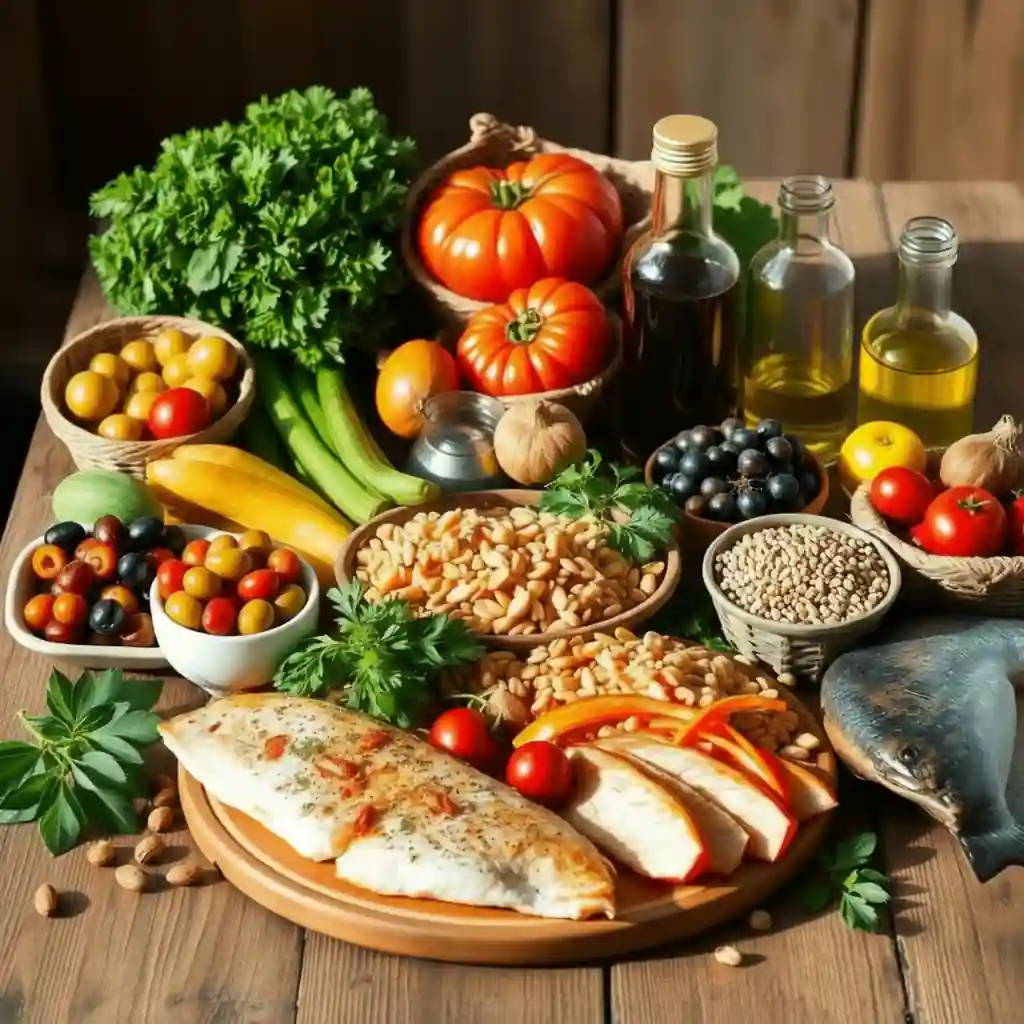
To make this easier to visualize and implement into your daily routine while ensuring you're getting the right nutrients for muscle growth and overall health we can refer to the new food pyramid which provides an excellent guide for structuring your meals effectively.
Muscle Food Building Blocks for Training and Recovery
Muscle-building meals work better when each ingredient has a clear job. Instead of focusing on a single “best” high-protein food, build meals around protein, training fuel, fiber-rich produce, and satisfying fats.
| Role in the Meal | Foods to Use | How They Fit a Muscle-Building Meal |
|---|---|---|
| Protein anchor | Eggs, Greek yogurt, chicken, turkey, lean beef, fish, beans, lentils, tofu, tempeh | Start with one main protein source to support muscle repair and recovery. |
| Training fuel | Rice, oats, potatoes, pasta, quinoa, bread, fruit | Add carbohydrates to provide energy for training and help make the meal substantial enough for muscle-gain goals. |
| Color + fiber | Leafy greens, berries, cabbage, carrots, cruciferous vegetables | Add produce for fiber, variety, and micronutrients alongside the main protein and carb sources. |
| Fats + extra energy | Olive oil, avocado, nuts, seeds, tahini, fatty fish | Use these to add flavor, texture, and extra energy when building a more filling meal. |
The goal is not to collect individual “muscle foods.” It is to combine these building blocks into complete meals you can repeat consistently.
A Simple Muscle-Building Plate for Training and Recovery
You do not need to track every gram to give your meals some structure. A simple plate method can help you combine protein, carbohydrates, vegetables, and fats into a complete meal that supports training and recovery.
| Part of the Plate | Simple Visual Guide | Role in the Meal |
|---|---|---|
| Protein | 1–2 palms | Provides a clear protein anchor for muscle repair and recovery. |
| Carbohydrates | 1–2 fists | Provides energy for training and helps make the meal more substantial. |
| Vegetables | 1–2 fists | Adds fiber, color, and a wider range of nutrients. |
| Fats | 1–2 thumbs | Adds flavor, satisfaction, and extra energy to the meal. |
On harder training days or when you are trying to build muscle, your meals may need more total energy. That could mean adding another serving of rice or potatoes, using a little more olive oil, or including an extra snack. Individual needs vary, so use the plate as a flexible framework rather than a fixed formula.
Muscle-Building Meal Ideas for Training and Recovery
These complete meal ideas combine protein, carbohydrates, fiber, and satisfying fats to support training and recovery. Use them as flexible templates you can rotate throughout the week.
1. Chicken rice bowl with crunchy veggies
A bowl meal is one of the easiest ways to hit protein + carbs + fiber without fancy cooking.
What goes in it:
- cooked rice (white or brown)
- shredded chicken or chopped thighs
- cucumber, carrots, cabbage
- sauce: soy sauce + sesame oil + lime (or a simple yogurt sauce)

2. High protein Greek yogurt “cheesecake” bowl
This is dessert pretending to be breakfast. Or breakfast pretending to be dessert. Whatever.
Mix:
- Greek yogurt
- a little honey or maple syrup
- berries
- crushed graham crackers or granola
- optional: peanut butter or chopped nuts

3. Turkey chili you can eat for 3 days
Chili is classic muscle food because it scales. It’s forgiving. And it tastes better tomorrow.
Basic idea:
- lean ground turkey
- beans (kidney, black, whatever)
- crushed tomatoes
- onion, garlic, chili powder, cumin
- optional: corn, bell pepper
Serve it with rice, or tortilla chips, or just eat it straight out of the bowl like a tired adult.
4. Salmon + potatoes + greens (a real dinner)
Not every muscle meal has to be a bowl. Sometimes you just want a plate.
Quick method:
- roast baby potatoes with olive oil + salt
- pan sear salmon (or bake it)
- throw together a quick salad or sautéed spinach

5. Tuna salad wrap that doesn’t taste sad
Tuna gets a bad reputation because people treat it like punishment.
Make it good.
Mix:
- canned tuna
- Greek yogurt (or half yogurt, half mayo)
- mustard
- diced pickles or relish
- celery, red onion
- salt, pepper, lemon
Put it in a wrap with lettuce. Add chips if you want. Carbs are not the enemy here.
Pre- and Post-Workout Snacks for Training Days
Snacks can be useful when there is a long gap between meals or when you need something simple around training. Instead of building another general high-protein snack list here, think about what the snack needs to do in your day.
| When | What to Focus On | Simple Examples |
|---|---|---|
| Before training | Easy-to-eat carbohydrates with a little protein or fat | Banana + yogurt, toast + peanut butter, cereal + milk |
| After training | Protein plus carbohydrates as part of your recovery routine | Greek yogurt + fruit, smoothie with milk and banana, cottage cheese + fruit |
| Between meals | A more filling combination of protein, carbs, and fats | Hummus + pita, yogurt + granola, fruit + nuts |
The exact timing does not need to be complicated. The bigger goal is making sure your snacks fit alongside your regular meals and help you stay consistent with enough food throughout the day.
For a broader list of protein-rich foods and quick snack options, see High Protein Foods & Snacks.
How Protein Fits Into a Muscle-Building Day
Protein matters for muscle repair and recovery, but this guide is not about chasing one food or packing all your protein into a single meal. The more useful approach is to build regular meals around a protein source while also including enough carbohydrates, fats, and overall energy to support your training.
Think of protein as the anchor of the meal, not the entire meal. Your muscle-building plate should still include fuel for training and enough food to support recovery consistently throughout the day.
If you want specific protein-rich foods, snack ideas, and practical options to choose from, see High Protein Foods & Snacks.
A Weekly Grocery Framework for Muscle-Building Meals
Instead of shopping for a long list of individual “muscle foods,” build your grocery cart around complete meals. Choose a few ingredients from each role so you can mix and match breakfasts, lunches, dinners, and training-day snacks throughout the week.
| Grocery Role | What to Choose | How to Use It |
|---|---|---|
| Protein anchors | Choose 2–3 options you will actually cook, such as chicken, eggs, fish, tofu, or beans | Build each main meal around one protein source |
| Carbohydrate bases | Rice, oats, potatoes, pasta, wraps, bread, or fruit | Pair with protein to provide energy for meals and training days |
| Vegetables + fruit | Greens, frozen vegetables, carrots, cabbage, berries, bananas, or whatever is in season | Add color, fiber, and variety without making meal prep complicated |
| Energy + flavor | Olive oil, avocado, nuts, seeds, peanut butter, or tahini | Add to meals when you want more flavor, texture, or total energy |
| Easy flavor boosters | Salsa, mustard, soy sauce, lemon, lime, herbs, spices, or yogurt-based sauces | Keep repeat meals from tasting the same every day |
A simple week might use two protein anchors, two carbohydrate bases, several vegetables, and a few sauces. From the same grocery cart, you can make bowls, wraps, chili, breakfast plates, and simple dinners without needing a completely different ingredient list for every meal.
For a more detailed reference of protein-rich foods and quick high-protein snack options, see High Protein Foods & Snacks.
Consistency Matters for Muscle Gain and Recovery
Muscle food works when it’s consistent.
Not perfect.
If you’re eating “clean” but you’re not getting stronger, you might not be eating enough. If you’re eating enough but you feel run down, you might be missing fiber, iron, omega 3s, or just vegetables in general. If you’re doing everything right and still stuck, you might just need time. Muscle gain is slow. That’s normal.
Also. You’re allowed to enjoy your food. Please do.
Because the best muscle food is the one you’ll cook again next week.
Conclusion: Building Muscle Meals for Training and Recovery
Muscle food is not a special category of food reserved for gym people. It’s just balanced meals with enough protein, enough energy, and enough nutrients to recover and grow.
Start with a few staples. Build two or three go to breakfasts, two lunches, two dinners. Rotate. Keep it boring in a good way.
FAQs
What is ‘muscle food' and why is it important for building muscle?
Muscle food refers to foods that help your body build and repair muscle tissue. It includes not just protein, but also carbohydrates that fuel training, fats that support hormone health, fiber, and micronutrients to maintain overall well-being. Eating muscle food supports muscle growth, recovery, and training performance.
What are the key components of a balanced muscle-building meal?
A balanced muscle-building meal should include a clear source of protein (like chicken, eggs, or tofu), real carbohydrates (such as rice, potatoes, or oats), colorful vegetables for fiber and micronutrients, and healthy fats (like olive oil or avocado). This combination supports muscle repair, energy for workouts, and overall health.
How do I build a complete muscle-building meal?
Start with a protein anchor, add a carbohydrate source for training fuel, include vegetables or fruit for fiber and variety, and finish with a source of fat for flavor and extra energy. The goal is not to rely on one “muscle food,” but to combine these building blocks into complete meals that support training and recovery.
How can I visually portion my meals to support muscle growth without tracking macros?
You can use a simple plate method: aim for 1 to 2 palms of protein, 1 to 2 fists of carbohydrates (more on training days), 1 to 2 fists of vegetables for fiber and nutrients, and 1 to 2 thumbs of healthy fats. This approach helps ensure balanced nutrition supportive of muscle gain without complicated tracking.
Why are carbohydrates important in a muscle-building diet?
Carbohydrates provide the energy needed to fuel your training sessions. Without enough carbs, your performance may suffer, making it harder to build strength and muscle. Including carbs like rice, potatoes, oats, fruit, or beans ensures you have the calories and energy required for effective workouts and recovery.
Is muscle food the same as high-protein food?
Not exactly. High-protein foods are individual foods or snacks that provide a meaningful amount of protein. Muscle food is a broader meal-building approach that combines protein with carbohydrates, vegetables, fats, and enough overall energy to support training and recovery. For individual protein-rich foods and snack ideas, see High Protein Foods & Snacks.