Table of Contents
Table of Contents
This Japanese Mounjaro recipe combines matcha, lemon, ginger, and honey in a drink you can prepare in 5 minutes. Below, you’ll find ingredient quantities, step-by-step instructions, and a savory Japanese-inspired variation with umeboshi and kombu. Use Jump to Recipe above to go straight to the main recipe.
For more homemade drink ideas, explore our Japanese Pink Salt Recipe, Pink Salt Diet Recipe, and Pink Salt Recipe to Lose Weight.
Disclaimer:
This article and recipe are for informational and entertainment purposes only. “Mounjaro” is a registered trademark of Eli Lilly and Company for the prescription medication tirzepatide; this homemade drink is not affiliated with, endorsed by, or equivalent to that medication in any way, and the name is used here only because it reflects a popular social media trend and search term.
This recipe is not a weight-loss treatment, does not contain any pharmaceutical ingredients, and is not intended to diagnose, treat, cure, or prevent any disease. Individual results will vary, and no specific health or weight-loss outcome is guaranteed. Always consult your doctor or a qualified healthcare provider before making significant changes to your diet, especially if you are pregnant, nursing, taking medication, or managing a health condition.
The Story & Introduction
When I first heard about the Japanese Mounjaro recipe, I was standing in my small Austin kitchen, Miso the cat winding around my legs as I tried to make sense of this trending drink. Some people were talking about a traditional Japanese-inspired blend, while others were sharing a simpler matcha and lemon version. That confusion reminded me of my grandmother’s kitchen, where recipes carried stories and not just ingredients. It inspired me to try both versions so I could share the full picture with you.
Japanese Mounjaro recipe confusion explained
The Japanese Mounjaro recipe is not a single drink but two popular interpretations. The Japanese-inspired variation uses matcha, umeboshi, and kombu seaweed, ingredients associated with Japanese cuisine. Another variation that is viral is a simple blend of matcha, lemon juice, ginger, and honey. Both have found their way into wellness circles, but for very different reasons. If you’re curious about how these drinks fit into broader wellness routines, our Japanese Pink Salt Recipe article offers another refreshing approach.
Why this wellness drink captured attention
These recipes appeal to readers interested in simple homemade drinks and familiar ingredients. Traditional Japanese drinks like matcha have long been studied for their health benefits by researchers, with publications such as Harvard T.H. Chan School of Public Health discussing how green tea supports metabolism. The matcha, lemon, ginger, and honey version featured here is simple to prepare at home. If you enjoy exploring trending wellness drinks, you might also like our Pink Salt Diet Recipe, which shares another natural approach to balance and hydration.
Understanding Japanese Mounjaro Recipes
The two versions of the Japanese Mounjaro recipe
The phrase Japanese Mounjaro recipe is actually used in two very different ways. The first is a Japanese-inspired variation combining matcha green tea, umeboshi plums, kombu seaweed, and ginger in a savory drink. These ingredients have been part of Japanese households for centuries, and they’re still celebrated in modern wellness routines. If you’re curious about how ancient traditions influence everyday wellness, our Pink Salt Recipe to Lose Weight explores a similar idea of turning simple ingredients into something beneficial.
The second version is a trendy recipe that is viral on social media, typically made with matcha, lemon juice, ginger, and honey. This version is easy to prepare and uses just four main ingredients. Many wellness bloggers present it as a quick morning drink to start the day. To see another quick-to-make option, you might like our Japanese Pink Salt Recipe, which offers another simple homemade drink.
What makes each recipe unique
What sets these drinks apart is more than their ingredient lists. The Japanese-inspired variation has a savory flavor and requires rehydrating and chopping the kombu. The viral version, on the other hand, is focused on speed and accessibility, offering a quick way to try something new. Both offer distinct flavors, so your choice depends on your taste and the ingredients available. For example, umeboshi and kombu give the Japanese-inspired variation a savory, tangy character, while lemon and honey make the classic version citrusy and lightly sweet. Understanding these differences helps you choose the version that fits your lifestyle best.
Japanese-Inspired Mounjaro Recipe

Ingredients and cultural origins
This version is inspired by authentic Japanese wellness ingredients. While not a recipe traditionally known as “Mounjaro” in Japan, it combines flavors that have been staples for centuries. Matcha adds an earthy flavor, umeboshi plums bring saltiness and acidity, kombu adds umami, and ginger brings warmth. Together, these flavors create a drink that feels both grounding and refreshing. If you enjoy traditional wellness drinks, our Pink Salt Diet Recipe offers another simple homemade drink to try.
Ingredients (per glass)
- ½ teaspoon matcha green tea powder
- ½ umeboshi plum (pitted and mashed)
- ½ teaspoon finely chopped kombu (rehydrated)
- 1 teaspoon grated fresh ginger
- ½ cup hot water (about 176 °F / 80 °C, not boiling)
How to make the Japanese-inspired Mounjaro drink
- Rehydrate kombu in warm water for 10 minutes, then chop finely.
- Place matcha powder in a small bowl.
- Add hot water and whisk until smooth and lightly frothy.
- In a glass, add mashed umeboshi plum and chopped kombu.
- Stir in grated ginger.
- Pour over the whisked matcha.
- Mix gently and sip slowly.
The flavor is bold yet harmonious, with a balance of savory, sour, and earthy notes.
Ingredient highlights
| Ingredient | Role in the recipe |
|---|---|
| Matcha | Adds earthy green-tea flavor and color; contains caffeine |
| Umeboshi plum | Adds a salty, sour flavor |
| Kombu (seaweed) | Adds savory umami flavor |
| Ginger | Adds warmth and a fresh, spicy note |
Classic Japanese Mounjaro Recipe (Viral Version)
Ingredients of the viral Mounjaro drink
This is the main Japanese Mounjaro recipe featured in this guide. It’s light, bright, and refreshing, made with matcha, lemon, ginger, and honey. What makes it so popular is its simplicity, a drink that blends traditional Japanese ingredients with modern wellness trends, creating something easy to prepare and enjoy daily.

Ingredients (per glass)
- ½ teaspoon matcha green tea powder
- ½ fresh lemon (about 1 tablespoon juice)
- 1 teaspoon grated fresh ginger
- 1 teaspoon raw honey
- ½ cup hot water (about 176 °F / 80 °C, not boiling)
- ½ cup cold water or a handful of ice cubes
Matcha has been studied widely for its health benefits. According to a review published in Molecules, compounds in green tea may support metabolism and provide antioxidant protection. This explains why matcha continues to resonate as both a cultural staple and a modern wellness drink.
Beyond that, each ingredient plays a special role: matcha delivers antioxidants and earthy green-tea flavor, lemon adds vitamin C and a crisp refreshing edge, ginger provides warmth and a gently spicy note, and raw honey balances the flavors with natural sweetness. As Healthline notes, matcha is particularly rich in antioxidants linked to health-supportive properties, making it one of the most valued components of this recipe.
Together, these ingredients create a vibrant drink with earthy, tangy, and gently sweet notes. Unlike the savory Japanese-inspired variation, this classic recipe is brighter and more approachable, fitting easily into a daily wellness routine. If you’re curious about other refreshing blends, our Pink Salt Recipe to Lose Weight shows how simple ingredients can transform into another natural daily ritual.
How to prepare the natural Mounjaro recipe

Making this drink is as quick as the ingredients suggest:
- Place matcha powder in a small bowl.
- Add hot water and whisk until smooth and slightly frothy.
- In a tall glass, pour lemon juice.
- Stir in grated ginger.
- Mix in honey until fully dissolved.
- Pour in the whisked matcha.
- Add cold water or ice cubes for a refreshing finish.
- Stir gently and sip slowly.
The taste is bright and slightly sharp, but the honey balances it out.
Ingredient highlights
| Ingredient | Role in the recipe |
|---|---|
| Matcha | Adds earthy green-tea flavor and color; contains caffeine |
| Lemon | Adds acidity and a fresh citrus flavor |
| Ginger | Adds warmth and a gently spicy note |
| Honey | Adds sweetness and balances the lemon’s acidity |
Japanese-Inspired vs Classic Japanese Mounjaro Recipes
Japanese-Inspired vs Classic: Key Differences
| Feature | Traditional-Inspired Recipe | Classic Recipe |
|---|---|---|
| Main Base | Matcha, Umeboshi Plum, Kombu, Ginger | Matcha, Lemon, Ginger, Honey |
| Flavor Profile | Savory, earthy, tangy, mineral-rich | Bright, tangy, gently sweet, refreshing |
| Cultural Connection | Uses Japanese ingredients such as matcha, umeboshi, and kombu | Combines Japanese matcha with lemon, ginger, and honey |
| Key Nutrients | Iodine, minerals, antioxidants, digestive support | Antioxidants, vitamin C, natural energy, digestive comfort |
| Main Characteristics | Savory, with umeboshi and rehydrated kombu | Citrusy and lightly sweet |
| Ease of Preparation | Slightly complex (requires umeboshi and kombu) | Very easy (everyday ingredients, quick to prepare) |
| Best For | Those who enjoy savory, earthy drinks | Those who prefer a refreshing citrus drink |
Bonus Recipe: Shirataki Noodle Bowl
If you’d also like a savory meal option, try this shirataki noodle bowl. A simple shirataki noodle bowl works beautifully here: it’s low in calories, high in fiber, and paired with miso, tofu, and vegetables, it makes a nourishing and satisfying dish. Think of it as a bonus recipe that complements the drinks above.

Ingredients
- 1 pack shirataki noodles (about 200 g)
- 2 cups low-sodium vegetable broth
- 1 tablespoon white miso paste
- ½ block soft tofu (cubed)
- 1 cup baby spinach or bok choy
- ½ cup sliced shiitake mushrooms
- 1 teaspoon grated fresh ginger
- 1 green onion (thinly sliced)
- 1 teaspoon sesame seeds (optional, for garnish)
Instructions
- Rinse shirataki noodles under cold water for 1–2 minutes.
- Boil in water for 2 minutes, drain, and set aside.
- Heat vegetable broth in a saucepan, stir in miso paste until dissolved.
- Add shiitake mushrooms and ginger, simmer for 5 minutes.
- Stir in tofu cubes and greens, cook for 2 minutes.
- Place shirataki noodles in a bowl, then pour miso broth and toppings over them.
- Garnish with green onion and sesame seeds.
- Serve warm and enjoy.
Ingredient highlights
| Ingredient | Role in the recipe |
|---|---|
| Shirataki noodles | Form the noodle base and absorb the broth’s flavor |
| Miso paste | Adds savory umami flavor |
| Tofu | Adds plant-based protein and a soft texture |
| Shiitake mushrooms | Add umami flavor and texture |
| Spinach / Bok choy | Add vegetables, color, and texture |
| Ginger | Adds warmth and a gently spicy note |
FAQs
What are the ingredients for Japanese Mounjaro?
The Japanese Mounjaro recipe comes in two main versions. The classic version includes matcha green tea, lemon juice, ginger, and raw honey, making it light, bright, and refreshing. A Japanese-inspired variation uses traditional ingredients such as matcha, umeboshi plums, kombu seaweed, and ginger, offering a more savory and earthy taste. Both recipes are simple to prepare and reflect balance and wellness.
What is the 4-ingredient Japanese drink for weight loss?
The popular 4-ingredient drink is the classic Japanese Mounjaro recipe: matcha green tea, fresh lemon juice, grated ginger, and raw honey. Together, they create a vibrant, energizing beverage. Matcha is particularly valued for its antioxidants and steady energy, while lemon provides vitamin C, ginger aids digestion, and honey balances the flavors naturally. The name reflects an online recipe trend; this homemade drink is not equivalent to the prescription medication Mounjaro and has not been shown to produce comparable weight-loss effects.
What are the 4 Japanese ingredients for weight loss?
In the Japanese-inspired variation, the four core ingredients are matcha, umeboshi plums, kombu seaweed, and fresh ginger. Matcha adds earthy flavor, umeboshi plums bring saltiness and acidity, kombu adds umami, and ginger adds warmth. These ingredients do not establish that this drink is an effective weight-loss treatment. These ingredients are staples in Japanese food culture and are often associated with balance and vitality.
What are the 4 natural ingredients in Mounjaro?
Here, “Mounjaro” refers to the homemade drink’s online nickname, not the prescription medication. In the classic version featured in this recipe, the four main ingredients are matcha green tea, fresh lemon juice, grated ginger, and raw honey. Together, they create the bright, lightly sweet drink described in the recipe above.
Conclusion
The Japanese Mounjaro recipe has sparked curiosity because it carries more than one meaning. For some, it’s the classic version with matcha, lemon, ginger, and honey, a refreshing, everyday wellness drink that’s easy to prepare. For others, it’s a Japanese-inspired variation using matcha, umeboshi, kombu, and ginger, a savory drink with earthy and tangy flavors. And for those who prefer a meal, a shirataki noodle bowl adds a savory, nourishing option to the table.
What all of these share is a simple idea: using natural ingredients in thoughtful ways to create balance, comfort, and energy. Whether you choose the bright and approachable classic recipe or the grounding, savory-inspired version, you’re exploring drinks that celebrate both wellness and flavor.
Enjoy experimenting in your own kitchen, adjusting ingredients to match your taste and routine.
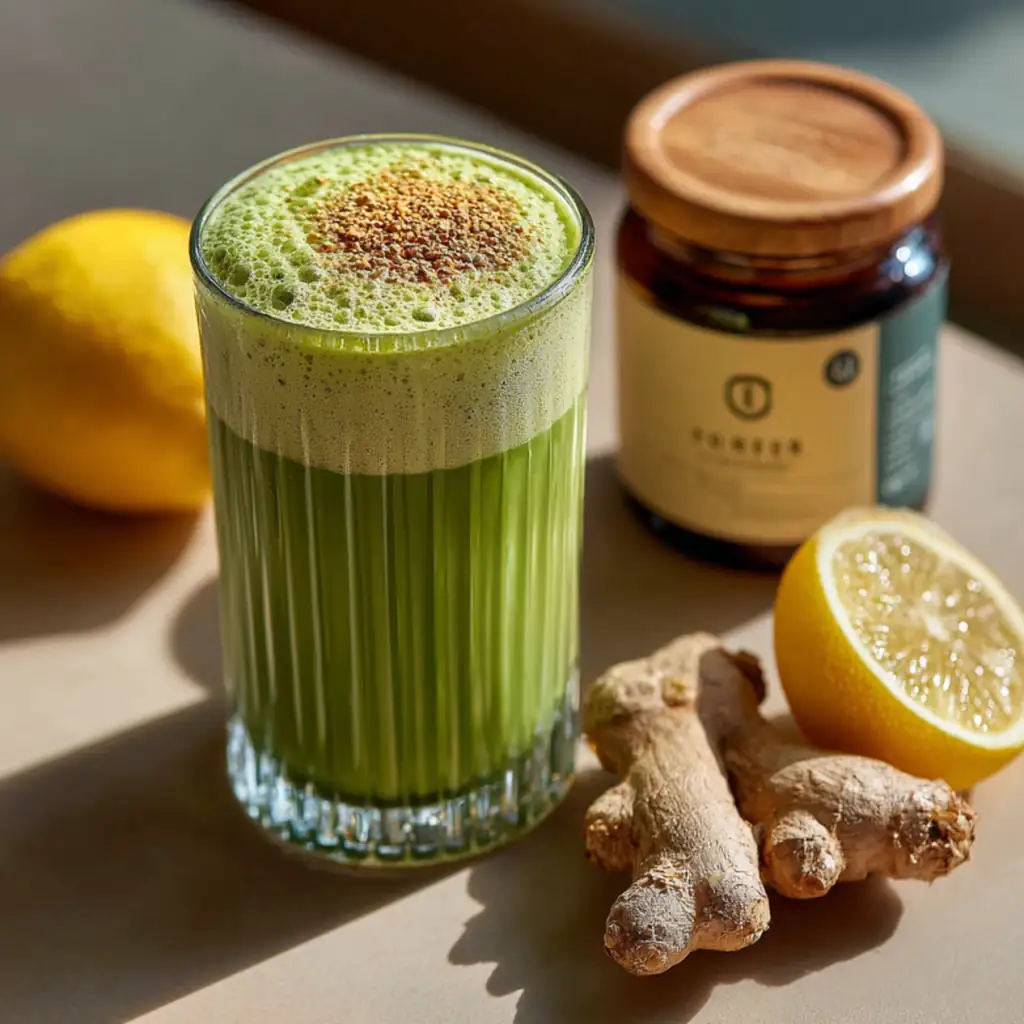
Japanese Mounjaro Recipe: Classic 4-Ingredient Wellness Drink
Ingredients
Method
- Place matcha powder in a small bowl.

- Add the hot water and whisk in a zigzag motion until smooth and frothy.

- In a tall glass, add lemon juice, grated ginger, and raw honey.

- Pour the whisked matcha into the glass and stir well.

- Top with cold water or ice cubes and enjoy slowly.