Table of Contents
Table of Contents
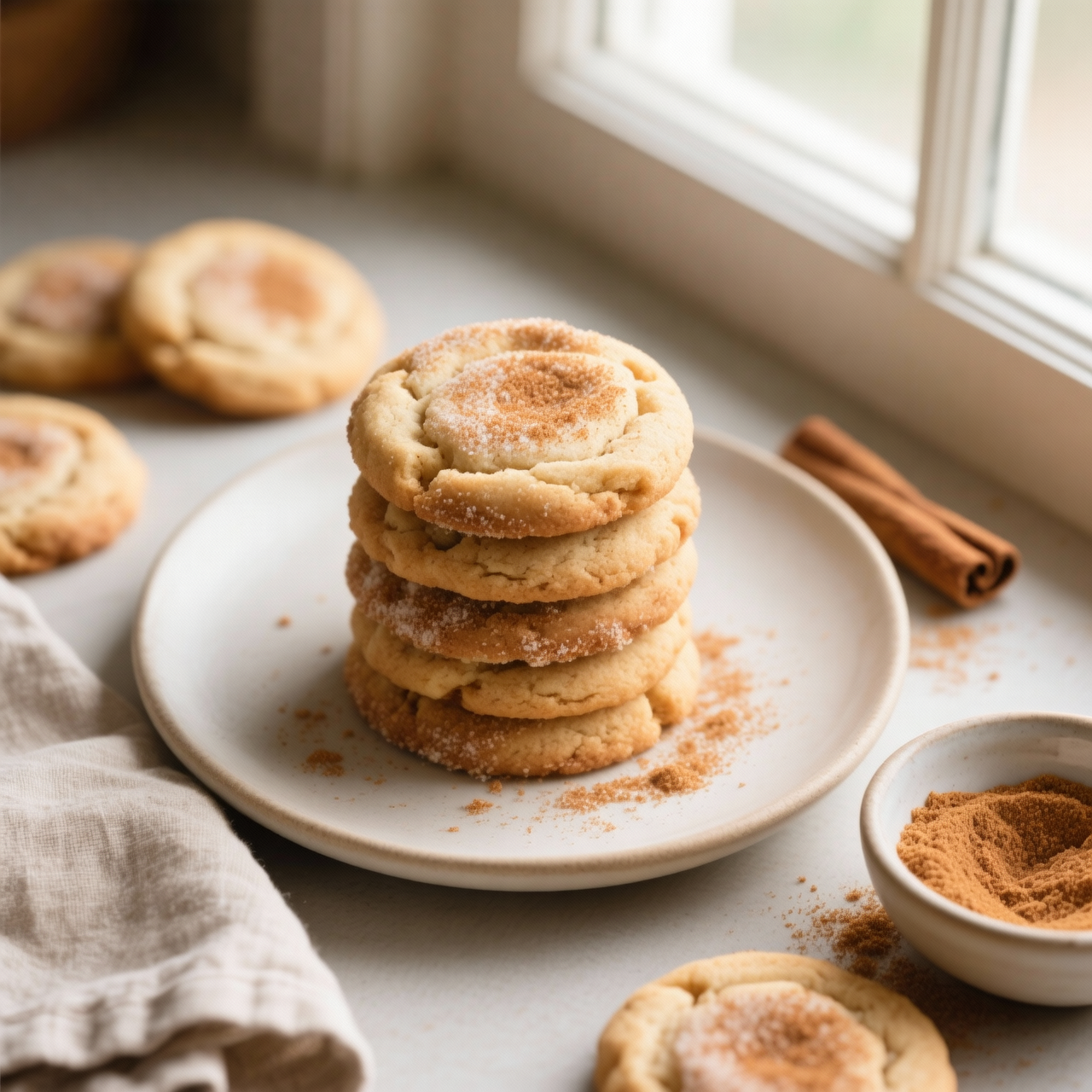
Snickerdoodles are one of those cookies that look… kind of plain. Like, okay, it’s a soft cookie rolled in cinnamon sugar. Cool.
And then you bite in and remember why people get dramatic about them.
It’s that chew. That slight tang. The cozy cinnamon thing. The little crackly top that makes you think you nailed it even if the rest of your life is chaos.
The problem is, when you try to “healthify” snickerdoodles, the chew is usually the first thing to disappear. You end up with something dry, bready, and weirdly sweet in a fake way. Or a cookie that tastes like a protein bar wearing a cinnamon costume.
So this is about doing it the non depressing way.
Healthier snickerdoodles. Still chewy. Still tender. Still very much a cookie.
And yeah, I’m sharing the exact recipe I make plus the little tweaks that actually matter, because snickerdoodles are surprisingly sensitive. Change one thing and they turn into muffincaps.
If you like these kinds of lighter comfort desserts, this is very “Easy Recipes Dash” energy. Simple ingredients, normal kitchen steps, no wellness sermon. Just… better cookies you actually want to eat.
What makes a snickerdoodle chewy (so we don’t ruin it)
Before we swap anything, it helps to know what makes the texture work in the first place.
Chewy snickerdoodles usually come from:
- Enough fat to keep them tender (traditionally butter).
- A little extra moisture (egg, sometimes a bit of syrupy sugar).
- Not too much flour (or they go cakey).
- Cream of tartar + baking soda which gives the signature tang and that slightly puffy, soft center.
- Underbaking by a minute or two. Yes. That’s the whole game sometimes.
So the goal with “healthier” is not “remove everything fun.” It’s more like… choose swaps that keep fat and moisture balanced.
Another good example of getting a classic texture right with a smart swap: The Secret to Fluffy Pancakes Without Buttermilk.
The swaps that work (and the ones that don’t)
1) Swap some butter, not all
You can reduce butter a bit without wrecking the cookie, but if you remove it completely, chewiness goes with it.
In this recipe, we use less butter than classic and replace part of the fat with Greek yogurt. Yogurt brings moisture and softness without needing loads more oil.
2) Use a mix of sugars
Snickerdoodles need sugar for more than sweetness. It impacts spread and chew.
- Brown sugar helps chew because it holds moisture.
- Coconut sugar is a nice “better choice” sugar, but on its own it can make cookies a little dry and dark.
So we do a blend. Best of both worlds.
3) Add a little whole grain, carefully
Whole wheat flour can work here, but too much makes them taste “healthy.” You know the taste.
I like white whole wheat flour for a lighter vibe, and I don’t go 100 percent. We keep part all purpose flour so the texture stays soft.
4) Keep cream of tartar (please)
If you skip it, you can still make a cinnamon sugar cookie, but it’s not a snickerdoodle in the classic sense. Cream of tartar gives that slight tang and helps with the texture.
If you absolutely don’t have it, I’ll give a backup option below, but. If you can. Use it.
Healthier Chewy Snickerdoodles (recipe)

Ingredients (makes about 18 to 22 cookies)
Dry ingredients
- 1 cup all purpose flour (120g)
- 3/4 cup white whole wheat flour (90g)
- 1 tsp cream of tartar
- 1/2 tsp baking soda
- 1/4 tsp fine salt
- 1 tsp ground cinnamon (for the dough)
Wet ingredients
- 6 tbsp unsalted butter, softened (85g)
- 1/3 cup plain Greek yogurt (80g), full fat or 2 percent
- 1/2 cup light brown sugar, packed (100g)
- 1/4 cup coconut sugar (50g)
(or sub more brown sugar if you want) - 1 large egg
- 2 tsp vanilla extract
Cinnamon sugar coating
- 1/4 cup granulated sugar (50g)
(you can use cane sugar) - 1 tbsp ground cinnamon
- Optional: tiny pinch of salt
Instructions
1) Prep
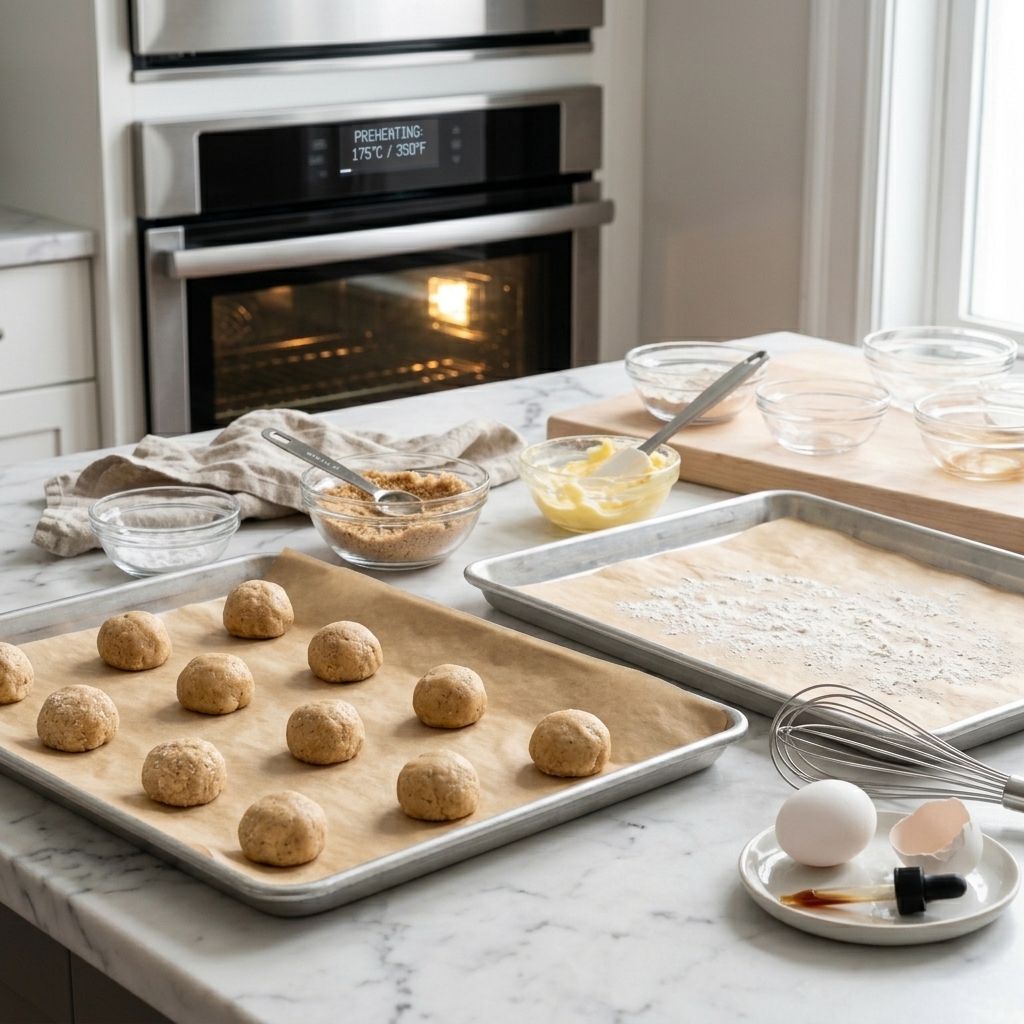
Heat oven to 350°F (175°C). Line two baking sheets with parchment.
If your kitchen is warm and your butter is borderline melty, honestly just chill the bowl later. Snickerdoodles can spread fast.
2) Mix dry ingredients
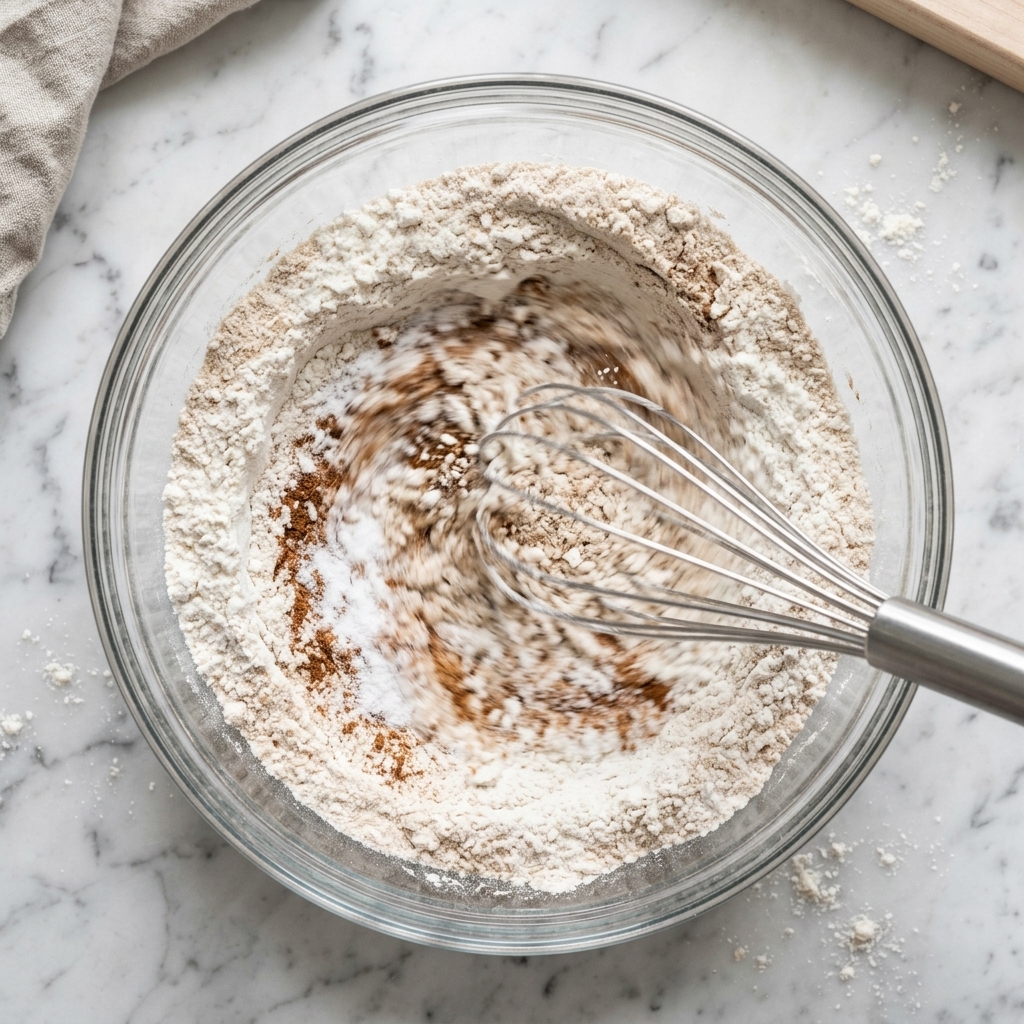
In a medium bowl, whisk together:
All purpose flour, white whole wheat flour, cream of tartar, baking soda, salt, and cinnamon.
Set aside.
3) Cream butter, sugars
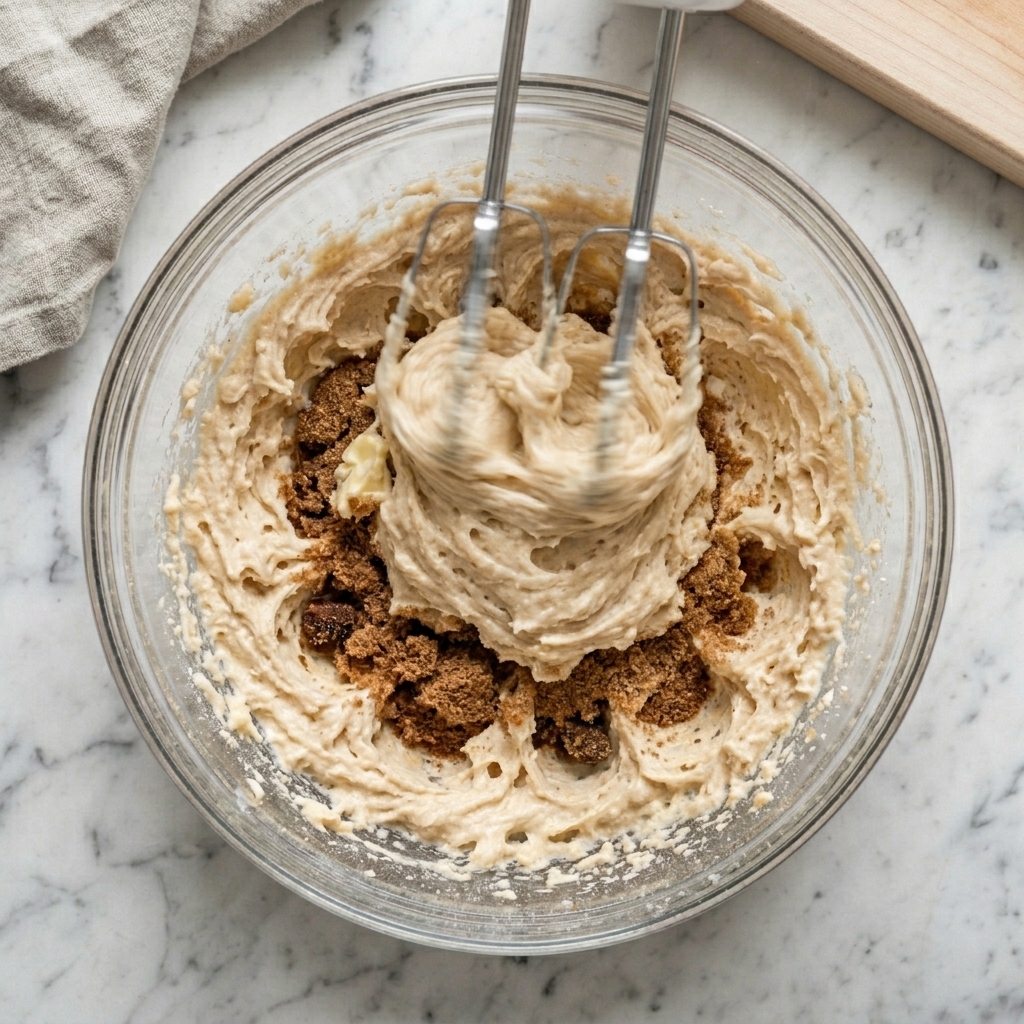
In a large bowl, beat softened butter with brown sugar and coconut sugar until it looks fluffy and a little lighter, about 1 to 2 minutes. You don’t need a stand mixer. A hand mixer is great, but you can do it by hand too. Just commit.
4) Add yogurt, egg, vanilla
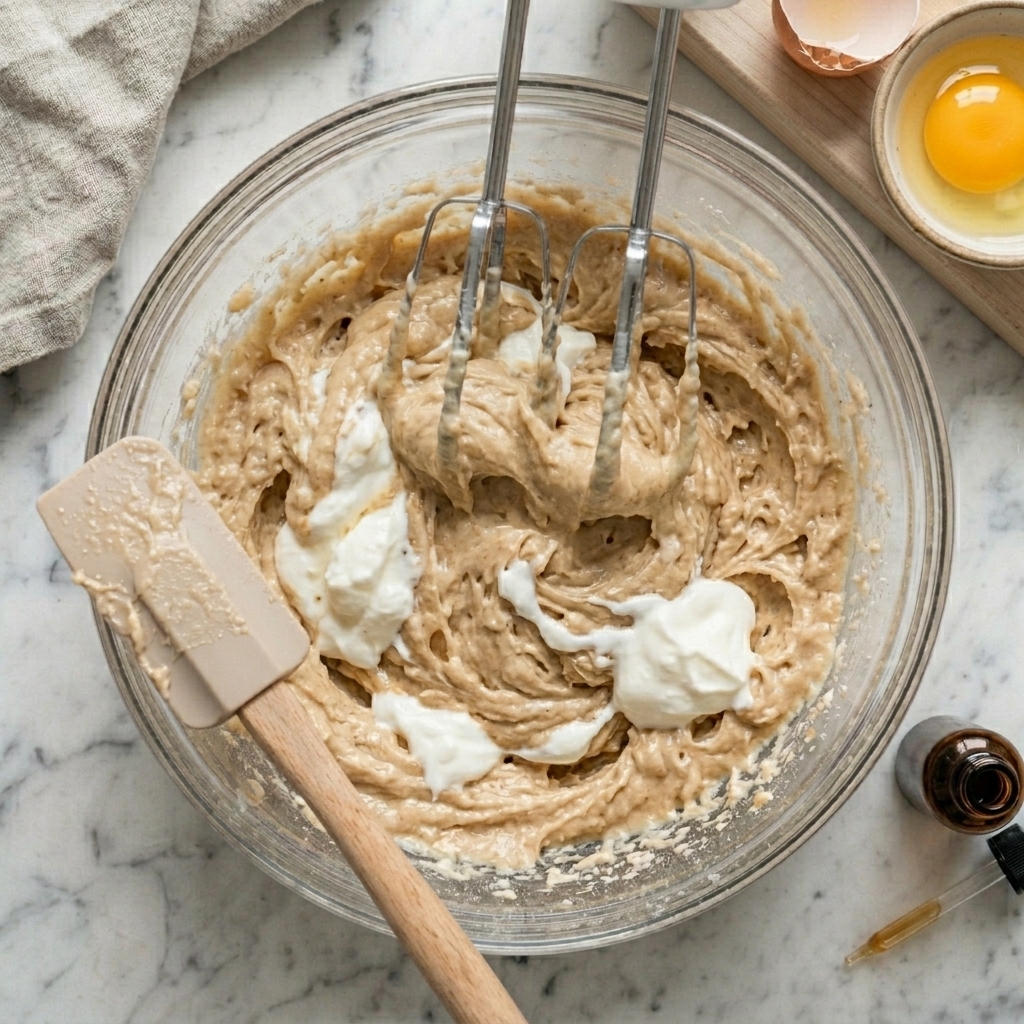
Beat in the Greek yogurt until combined.
Add egg and vanilla. Mix again. The batter may look a little looser than standard cookie dough at this stage. That’s normal. It tightens up once flour goes in.
5) Add dry to wet
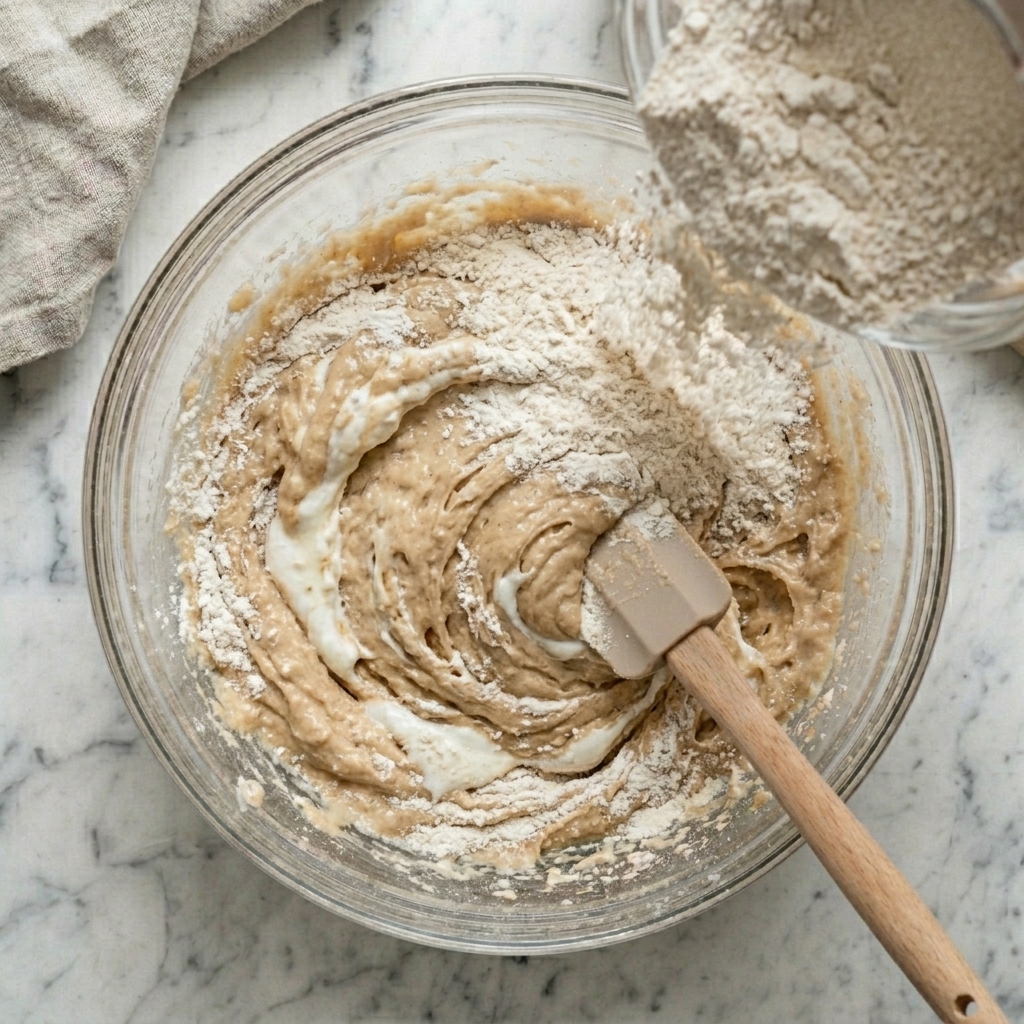
Add the dry ingredients to the wet and mix just until no flour pockets remain.
Do not overmix. Overmixing plus whole wheat flour equals tough cookies. We are not doing that today.
6) Chill (this is the chew insurance)
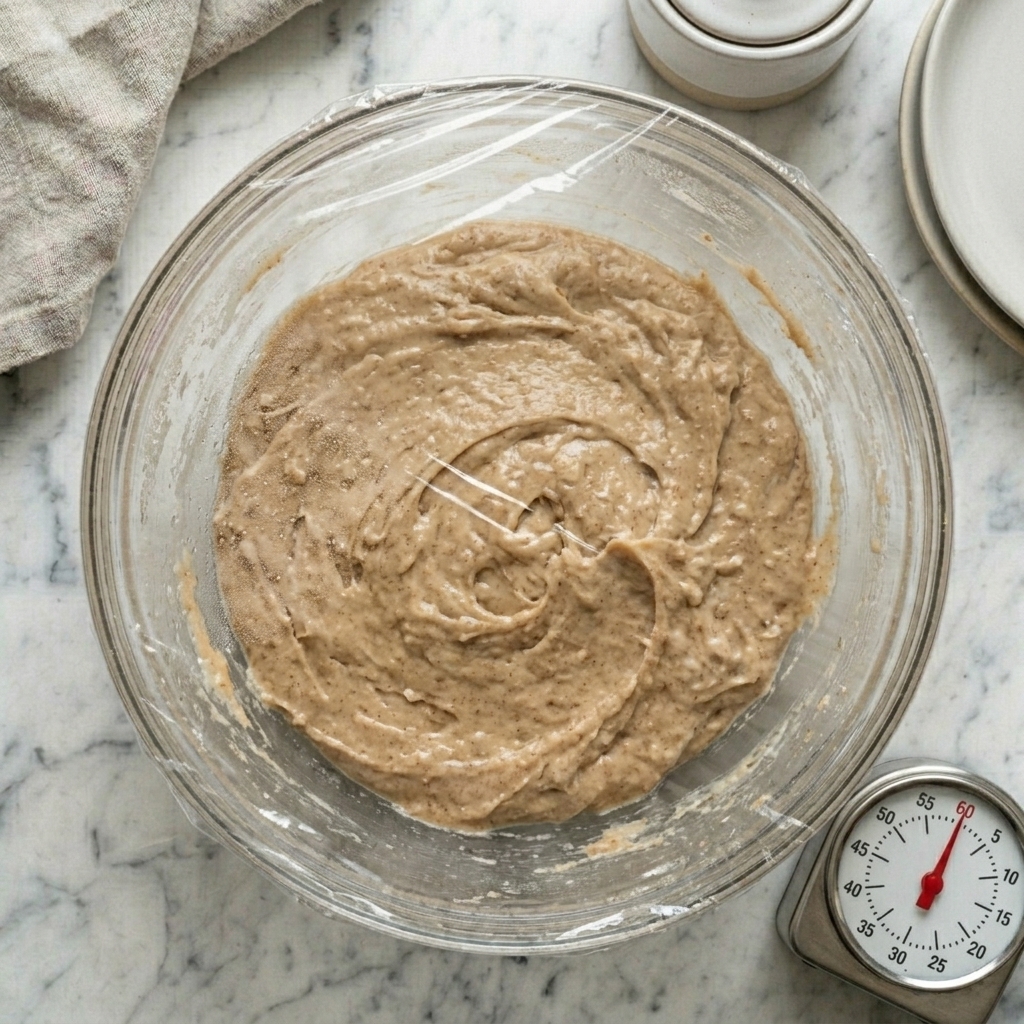
Chill the dough for 20 to 30 minutes.
Not hours. Not overnight. Just enough that it’s scoopable and holds shape.
If you skip chilling, they can spread too much and bake thinner, which gives you crisp edges and less chew.
7) Roll in cinnamon sugar
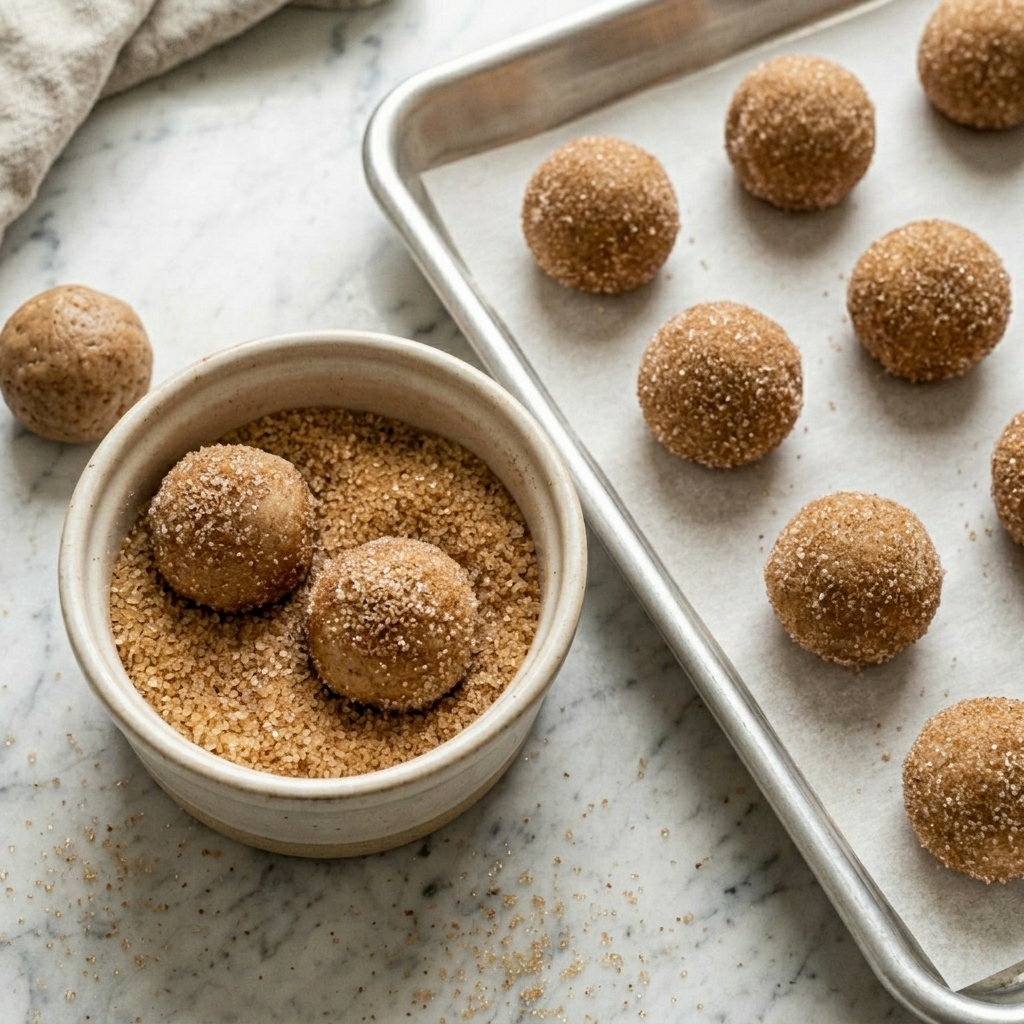
Mix granulated sugar and cinnamon in a small bowl.
Scoop dough into balls, about 1.5 tablespoons each. Roll in cinnamon sugar until coated.
Place on baking sheet with room to spread, about 2 inches apart.
8) Bake
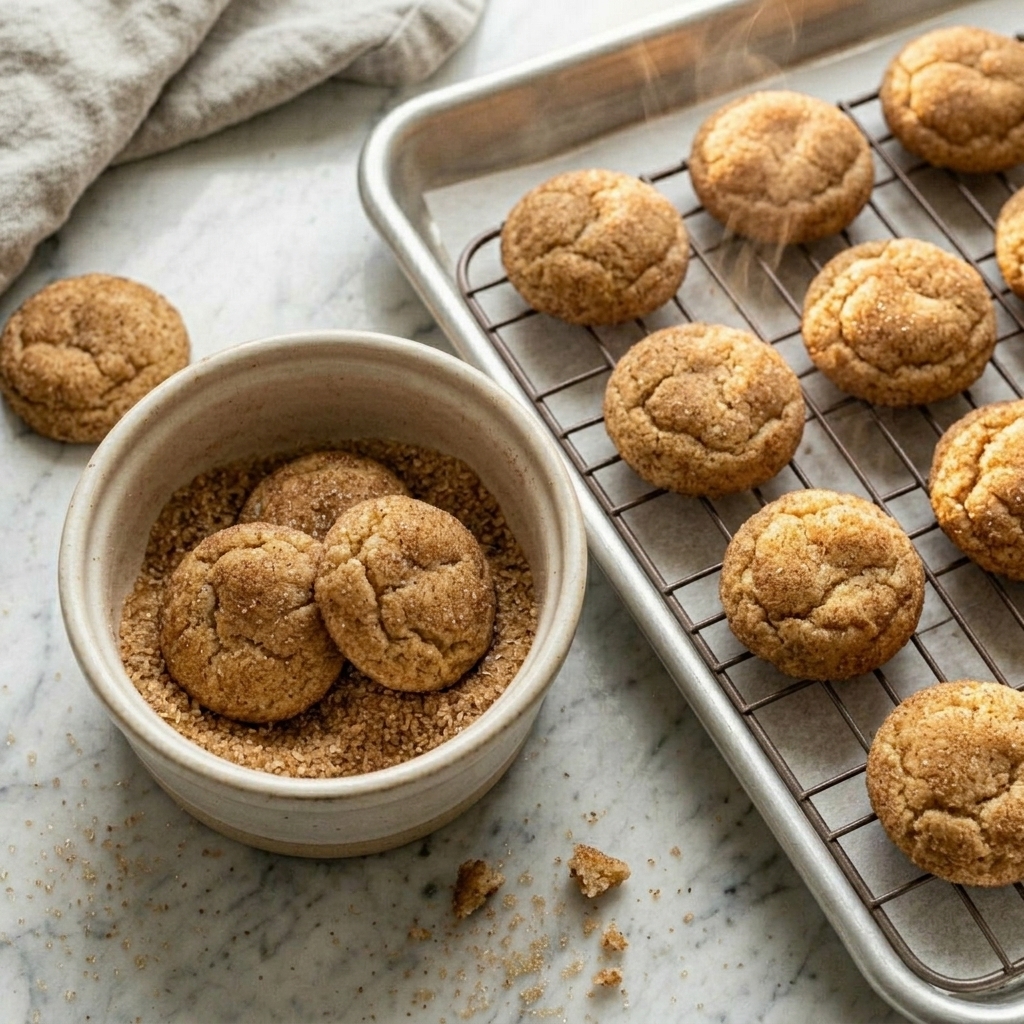
Bake 9 to 11 minutes, until the edges look set but the centers still look slightly underdone.
This part is annoying but important: pull them when they look not quite finished. They finish setting up on the pan.
Let cool on the baking sheet for 10 minutes, then move to a rack.
The tiny details that keep them chewy (and not “healthy dry”)
Measure flour like you mean it
If you scoop flour straight from the bag with your measuring cup, you can accidentally pack in extra flour. That’s the fastest way to make a cookie cakey.
Better: spoon and level. Or weigh it if you can.
Don’t bake until they look perfect
If you wait for them to look fully baked in the oven, you’ll pull them late, and they’ll cool dry. You want soft in the center.
Use brown sugar even if you prefer coconut sugar
Coconut sugar is fine, but brown sugar is what keeps that classic chew. Moisture retention matters here.
Greek yogurt is not just “healthy”
It’s moisture. It’s tenderness. It’s also why we can reduce butter a bit and still get that soft bite.
Optional upgrades (if you want to get a little fancy)
1) Extra tang, more classic snickerdoodle vibe
Add an extra 1/4 tsp cream of tartar if you love that signature tang.
Just don’t go wild. Too much gets sharp.
2) Slightly thicker cookies
After rolling the dough balls, gently press the top just a little, then chill the tray for 10 minutes before baking. They bake up thicker and stay soft longer.
3) A softer cinnamon coating
If you like the coating more melty and less crunchy, roll the dough balls and let them sit 5 minutes before baking. The sugar absorbs a little moisture from the dough.
If snickerdoodles aren't your craving today, these Small-Batch Brownies for Two scratch a similar low-effort, high-reward itch
Common questions (because snickerdoodles love to act up)
Can I make them gluten free?
You can, but the texture changes. Use a 1:1 gluten free baking flour blend that contains xanthan gum. Expect slightly more spread and a more delicate cookie.
If you do it, I’d chill the dough longer, like 45 minutes.
Can I replace the butter with coconut oil?
You can, but you’ll lose some of that classic buttery flavor. Also coconut oil can make cookies feel a bit greasier when warm. If you try it, use refined coconut oil (less coconut taste) and definitely chill the dough.
Can I skip cream of tartar?
If you don’t have it, sub this:
- 2 tsp baking powder total (instead of baking soda + cream of tartar)
So you would remove the cream of tartar and baking soda, and add baking powder.
It won’t have the same tang, but it will still be a cinnamon sugar cookie that’s soft and good.
Why did mine turn out puffy and cakey?
Usually one of these:
- Too much flour
- Dough wasn’t creamed enough (butter and sugar need a bit of air)
- Baked too long
- Oven runs cool (they set slowly and puff)
Why did mine spread too thin?
Usually:
- Butter too warm
- No chilling
- Baking sheet still warm from a previous batch
- Not enough flour (or flour measured too lightly)
How to store them (so day two is still good)
Let cookies cool completely, then store in an airtight container.
They stay soft about 3 to 4 days.
If they start to dry out, toss a slice of bread in the container overnight. It sounds like a weird internet trick, but it works because moisture moves from the bread to the cookies, since cookies are more hygroscopic (water-attracting) than bread, thanks to their higher sugar content.
Freezing
You can freeze:
- Baked cookies for up to 2 months.
- Dough balls (already rolled, not coated) for 2 months.
If freezing dough balls, thaw in the fridge for a few hours, then roll in cinnamon sugar right before baking.
Nutrition-ish notes (without making it weird)
These are “healthier” mostly because:
- less butter than classic versions
- some whole grain flour
- Greek yogurt adds protein and moisture
- a little less total sugar than many traditional recipes
They are still cookies. Which is fine. Life. If you're building out a full cookie-and-something-warm moment, these pair really well with a mug of Creamy Hot Chocolate.
If you want more lighter dessert ideas that don’t taste like compromise, poke around Easy Recipes Dash. I keep a mix of comfort stuff and lighter options, because that’s how most of us actually cook.
One last thing, the chew test
If you make these, do this:
Let one cookie cool for 15 minutes. Then bite it.
If it bends a little before it breaks. If it feels soft in the middle and the edges are just barely set. That’s it. That’s the snickerdoodle chew.
If you want, tell me whether you like them more tangy or more cinnamon-forward. Because honestly, snickerdoodles are personal. And I respect that.
Healthier Snickerdoodles Without Losing the Chew
Ingredients
Equipment
Method
- Heat oven to 350°F (175°C). Line two baking sheets with parchment. If your kitchen is warm and butter is borderline melty, follow the chill step, snickerdoodles can spread fast.
- In a medium bowl, whisk together all-purpose flour, white whole wheat flour, cream of tartar, baking soda, salt, and 1 tsp cinnamon. Set aside.
- In a large bowl, beat softened butter with brown sugar and coconut sugar until fluffy and a little lighter, 1–2 minutes.
- Beat in Greek yogurt until combined. Add egg and vanilla and mix again. (Mixture may look a little loose, normal.)
- Add dry ingredients to wet and mix just until no flour pockets remain. Do not overmix.
- Chill dough for 20–30 minutes (chew insurance + less spreading).
- Mix granulated sugar and 1 tbsp cinnamon in a small bowl (add a tiny pinch of salt if using). Scoop dough into balls about 1.5 tbsp each, roll in cinnamon sugar, and place 2 inches apart.
- Bake 9–11 minutes, until edges are set but centers still look slightly underdone. Cool 10 minutes on the sheet, then move to a rack.
Nutrition
Notes
Tried this recipe?
Let us know how it was!FAQs
What makes snickerdoodles chewy and how can I maintain that texture in a healthier version?
Chewy snickerdoodles get their texture from enough fat (traditionally butter), a little extra moisture (like egg or syrupy sugar), not too much flour to avoid cakeyness, the use of cream of tartar and baking soda for tang and softness, and underbaking by a minute or two. When making healthier swaps, it's important to keep fat and moisture balanced to preserve that chewiness.
Can I reduce butter in snickerdoodle recipes without losing chewiness?
Yes, you can reduce butter somewhat without ruining the cookie's chewiness. The recipe suggests using less butter than classic versions and replacing part of the fat with Greek yogurt, which adds moisture and softness without needing extra oil.
What sugars work best for maintaining the classic snickerdoodle texture in a healthier recipe?
A mix of sugars works best. Brown sugar helps hold moisture and contributes to chewiness, while coconut sugar is a better-for-you alternative but can make cookies dry if used alone. Combining both gives you the best of both worlds, moisture and a healthier profile.
Is it okay to use whole wheat flour in snickerdoodles?
You can add some whole wheat flour, preferably white whole wheat for a lighter taste, but don't use 100% whole wheat as it can give an overly ‘healthy' flavor. Keeping part all-purpose flour ensures the texture stays soft and tender.
Why is cream of tartar important in snickerdoodles? Can I skip it?
Cream of tartar is essential as it gives snickerdoodles their signature slight tang and helps with the distinctive soft, puffy texture. While you can make cinnamon sugar cookies without it, they won't be classic snickerdoodles. If you don't have cream of tartar, there are backup options but it's best to use it if possible.
How do I prevent my healthier snickerdoodles from turning dry or cakey?
To avoid dry or cakey snickerdoodles when healthifying them, maintain enough fat (like some butter plus Greek yogurt), use a balanced mix of sugars for moisture, don't overdo whole wheat flour, include cream of tartar for proper texture, and underbake the cookies slightly by one or two minutes to keep them tender and chewy.