Table of Contents
Table of Contents
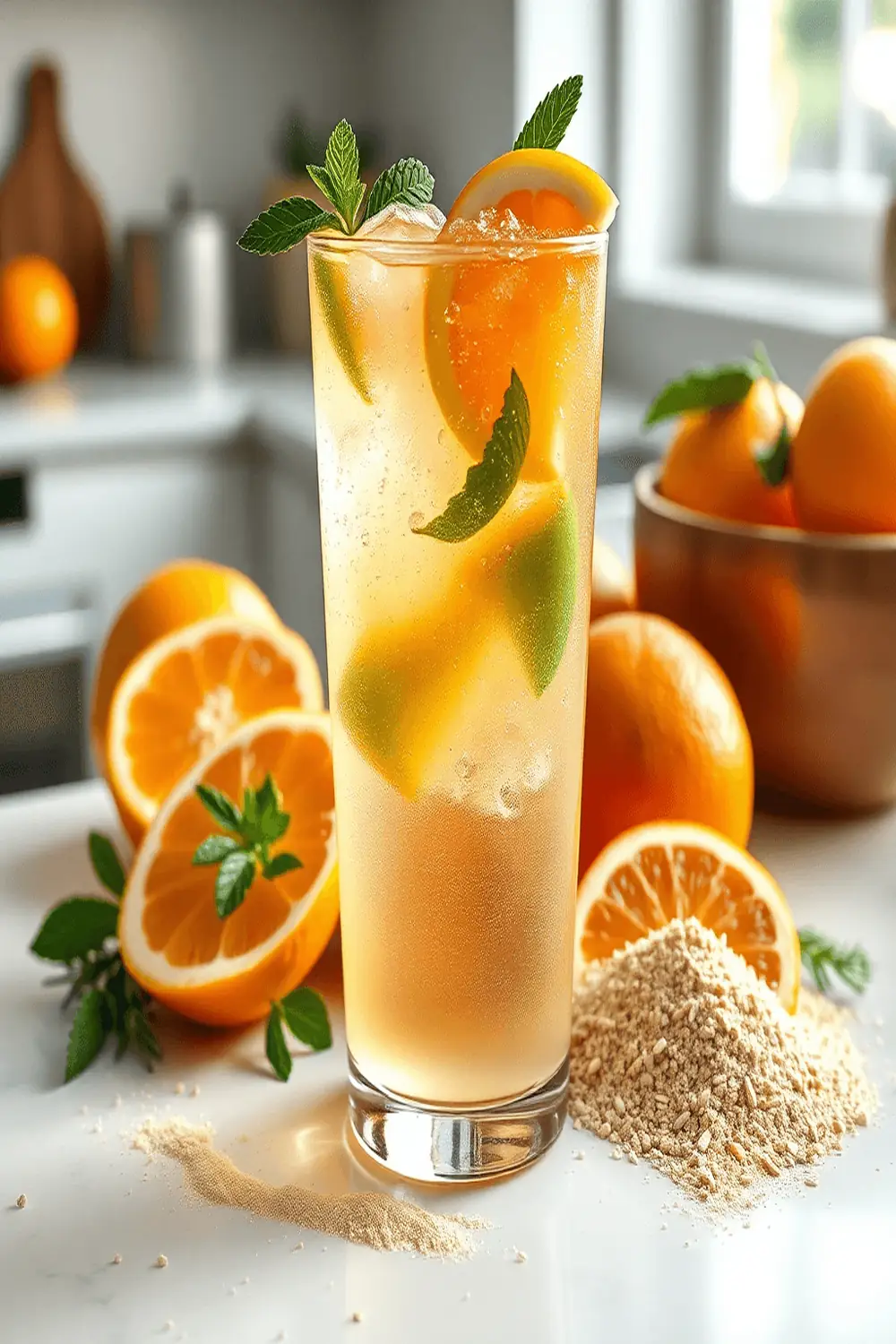
I’m Becky Masson, a home cook in Austin, Texas, and I’m writing this with a glass of something fizzy on the counter… while my cat, Miso, tries to “help” by supervising the bubbles like it’s her job. If you’ve been seeing Prebiotic Soda all over TikTok, grocery aisles, and wellness-y group chats, you’re not imagining it. People are genuinely making Prebiotic Soda at home, and not just because it’s cute in a swing-top bottle.
In plain English, Prebiotic Soda is a fizzy drink that includes prebiotic fiber, meaning fiber that feeds beneficial gut bacteria. It’s not the same thing as probiotics. Probiotics are live microbes. Prebiotics are the food your helpful microbes like to eat.
Here’s the big expectation-setter: homemade Prebiotic Soda:
Fiber + flavored sparkling water (no fermentation). Fast, predictable, and beginner-friendly.
Who this is for: anyone trying to cut back on sugary soda, nudge their fiber intake up, or get that “functional drink” vibe without paying $3 to $5 a can.
What you’ll learn here: the prebiotic fibers that actually work in drinks, a couple easy methods (including my go-to), flavor ideas you’ll want on repeat, and storage tips so it stays fizzy and doesn’t turn into a sad flat science project.
Prebiotics 101 (so you don’t waste ingredients)
Prebiotics are non-digestible fibers that make it to your colon, where gut bacteria ferment them. That’s it. That’s the whole idea.
Common prebiotic fibers you’ll see for Prebiotic Soda (and what they’re like at home):
- Inulin / chicory root fiber: slightly sweet, popular, can be gassy for some people at higher doses.
- Acacia fiber: usually gentle, dissolves pretty clear, easy “daily driver.”
- Partially hydrolyzed guar gum (PHGG): neutral, smooth, typically very mixable.
- Resistant starch: can feel gritty in cold drinks, better in smoothies than soda if you’re texture-sensitive.
- Pectin: more of a thickener (think jam vibes), can be useful in tiny amounts for body, but it’s easy to overdo.
Taste and texture reality check: some fibers dissolve totally clear and disappear. Others thicken a little, look cloudy, or feel slightly “powdery” if you rush the mixing. I’ve learned this the hard way, usually while Miso stares at me like I’ve personally offended carbonation.
Tolerance note: going from zero to a big scoop can mean gas and bloating. Start small and build up gradually.
What makes a homemade prebiotic soda “good” (taste, fizz, fiber, and sugar)
A good Prebiotic Soda hits four things at once:
- Refreshing flavor (not “sparkling fiber water”)
- Stable carbonation (bubbles that last past the first sip)
- A measured fiber dose (so you can repeat it consistently)
- Low sugar without tasting like punishment
Sugar: keep it low, keep it soda-like
To make it taste like a real “treat” without much sugar, lean on:
- citrus (lemon/lime/orange)
- herbs (mint, basil)
- bitters (a couple dashes can do a lot)
- a small amount of sweetener (honey, maple, simple syrup, or a no-cal option if you like)
Acidity: the “soda snap”
A little acid gives that crisp snap you expect from soda. Lemon, lime, a splash of apple cider vinegar, or even a pinch of citric acid can make everything taste brighter.
Fiber dose guidance
If you’re new to this, start around 2 to 3 grams of prebiotic fiber per serving. Many fiber powders list serving sizes like 5 grams, 6 grams, or more. You don’t have to start there.
Texture control
- Whisk or milk frother: best for dissolving fiber fast.
- Shaking in a jar: works, but can trap foam.
- Blender: great for cucumber or fruit bases, but strain afterward for better fizz.
- Temperature matters: fiber dissolves easier in room-temp liquid than ice-cold seltzer.

Ingredients and tools you’ll need (with smart substitutions)
Base
- Plain sparkling water / seltzer / soda water
- (Keep it plain so your flavors taste clean.)
Prebiotic fiber options
- Acacia fiber (gentle, clear)
- PHGG (smooth, neutral)
- Inulin/chicory root fiber (slightly sweet, can clump if you dump it in too fast)
Acid options (pick one)
- lemon or lime juice
- apple cider vinegar
- pinch of citric acid
- kombucha vinegar (if you have it)
Optional “soda shop” extras
- pinch of sea salt
- electrolyte drops (tiny amount)
Tools
- jar with a lid
- whisk or milk frother
- measuring spoons (or a small scale if you're precise)
- fine strainer
- funnel
- bottles (for fermentation, swing-top bottles and a thermometer are helpful)
Method #1 (fastest): “Mix-and-fizz” prebiotic soda (no fermentation)
This is the method I make on a random Tuesday when I want something fun but don't want a new kitchen hobby.
Why it works: you're adding the prebiotic fiber directly, so the dose is predictable and it takes five minutes.
Basic step-by-step (one serving)
- In a jar, add still liquid first: 2 to 3 tbsp juice or flavor base, 2 to 3 g prebiotic fiber, and 1 to 2 tsp lemon/lime juice (if your flavor base isn't already acidic).
- Whisk or froth until dissolved. Use a frother for 10 to 15 seconds. This prevents clumps.
- Add ice to your glass (optional).
- Pour in sparkling water (8 to 12 oz). Add it slowly down the side of the glass to keep the fizz.
- Stir gently once and drink.
Note on straining: if you use fruit puree, strain it. Pulp and seeds create nucleation points that can murder carbonation fast.
Make-ahead tip: prep a concentrated “syrup” base (without sparkling water) and keep it 3 to 4 days in the fridge.
3 easy “Mix-and-fizz” flavor recipes you can rotate all week
Each recipe makes 1 serving. Scale up by multiplying and keeping the base in the fridge.
1) Ginger-Lime Prebiotic Soda
- 1 tbsp lime juice
- 1 to 2 tsp grated ginger (or 1 tbsp ginger juice), strained
- pinch of sea salt
- 2 to 3 g prebiotic fiber (acacia or PHGG is easiest here)
- 8 to 12 oz sparkling water
Mix the still ingredients first, dissolve the fiber, then add sparkling water.
2) Pineapple-Mint-Lime Prebiotic Soda
- 2 tbsp pineapple juice (or pineapple puree strained)
- 6 to 8 mint leaves, gently slapped (yes, really)
- 1 tbsp lime juice
- 2 to 3 g prebiotic fiber
- 8 to 12 oz sparkling water
Pineapple is naturally bold, so you can keep sugar low and still get a “soda” feel.
3) Berry-Lemon “Bitters” Prebiotic Soda
- 2 tbsp mashed strawberries or raspberries (strain if you hate seeds)
- 1 tbsp lemon juice
- 2 dashes bitters (optional but makes it taste grown-up)
- 2 to 3 g prebiotic fiber
- 8 to 12 oz sparkling water
If you’re trying to replace a nightly sweet drink, this one scratches the itch.
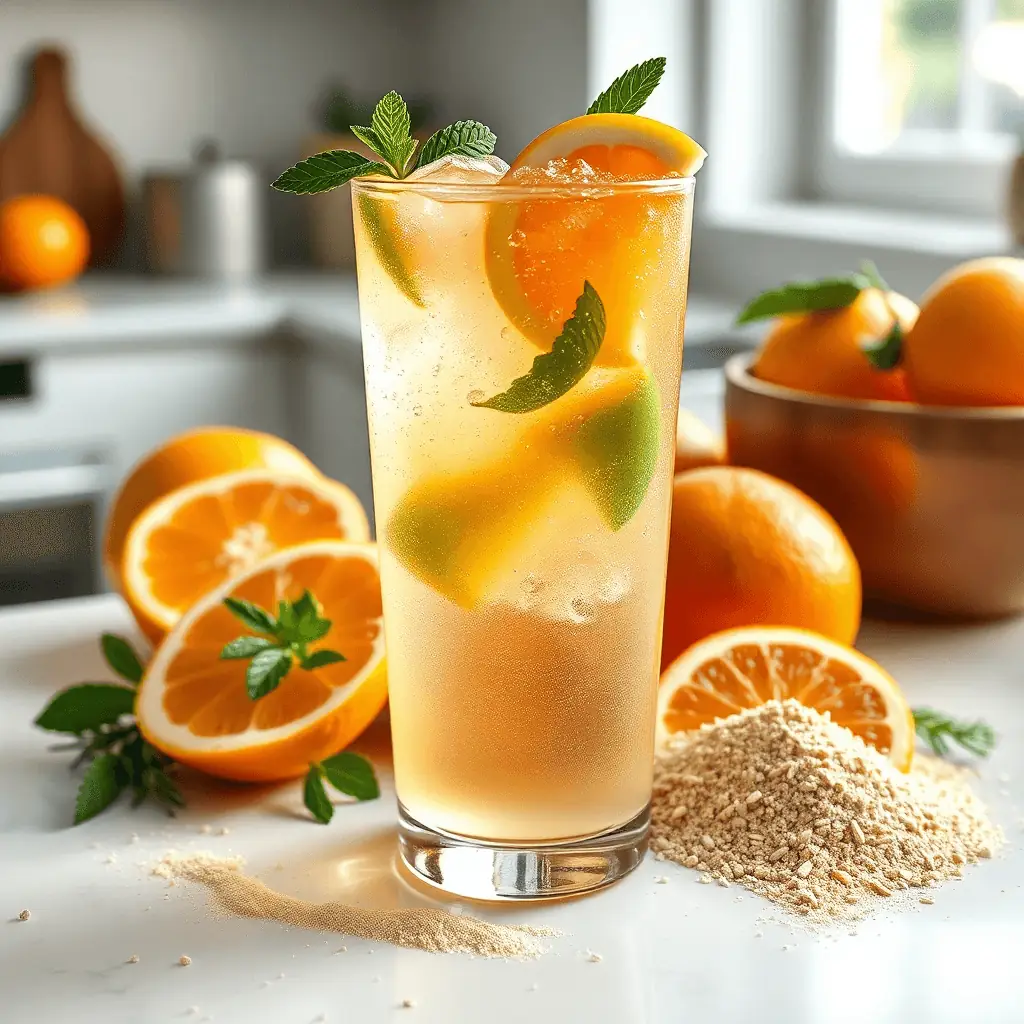
Prebiotic Soda: Home Made Recipes
Ingredients
Equipment
Method
- In a jar, add the still ingredients first: 2 to 3 tbsp juice or flavor base, 2 to 3 g prebiotic fiber, and 1 to 2 tsp lemon/lime juice (if your flavor base isn’t already acidic).

- Whisk or froth until the fiber dissolves. Froth for 10 to 15 seconds to prevent clumps.

- Add ice to your glass (optional).

- Pour in 8 to 12 oz sparkling water slowly down the side of the glass to keep the fizz.

- Stir gently once and drink right away.

Nutrition
Video
Notes
Tried this recipe?
Let us know how it was!Method #2 (still simple): prebiotic soda “syrup concentrate” for better flavor and less fuss
This is my favorite way to stay consistent with making delicious sodas because weekday-me is not interested in measuring twelve things before coffee.
Concept: make a fridge-stable concentrate that already includes flavor, acid, sweetener (if using), and dissolved fiber. Then you add sparkling water when you want a glass.
Benefits:
- faster daily prep
- more consistent flavor
- less carbonation loss (because you aren’t whisking fiber into bubbles)
For those who want to experiment further with their soda flavors, exploring some soda bar ideas could provide a wealth of inspiration.
How to use a concentrate
A good starting ratio is:
- 2 to 3 tbsp concentrate + 8 to 12 oz sparkling water
Texture note: some fibers thicken slightly. Keep the concentrate pourable by adjusting water and not cramming all your daily fiber into one tiny shot.
2 concentrate ideas that taste “store-bought”
1) Hibiscus-Citrus Concentrate
Makes about 1 cup (8 to 10 servings).
- 1 cup strong hibiscus tea (cooled)
- zest of 1 orange (optional, but amazing)
- 3 tbsp orange juice + 2 tbsp lemon juice
- pinch of salt
- sweetener to taste (start with 1 to 2 tbsp simple syrup or honey, optional)
- prebiotic fiber: add enough for 2 to 3 g per serving (so 20 to 30 g total if making 10 servings)
Whisk/froth until fully dissolved, then store in a jar in the fridge up to 5 days.
2) Cucumber-Lime + Mint Concentrate
Makes about 1 cup.
- 1 large cucumber, blended with 1/4 cup water
- strain well through a fine strainer
- 1/4 cup lime juice
- handful of mint, steep 10 minutes then strain (or blend and strain if you want it stronger)
- pinch of salt
- optional sweetener (a little goes a long way)
- prebiotic fiber for 2 to 3 g per serving
This one is ridiculously refreshing in Texas heat.
How to choose the right prebiotic fiber for soda (taste + tolerance + mixing)
If you want the simplest path to a daily Prebiotic Soda, choose based on what you’ll actually drink.
- Inulin/chicory root fiber: slightly sweet, popular, can clump if dumped into cold liquid. Some people get more gas with it at higher doses.
- Acacia fiber: gentle, often dissolves clear, easy to tolerate. Great for “I want this to be a habit.”
- PHGG: neutral, smooth, very mixable. If you hate weird texture, this is a strong option.
- Resistant starch: can be gritty in soda. I’d save it for smoothies or oatmeal unless you love that texture.
Rule of thumb: pick the one that disappears into the drink. Compliance beats perfection every time.
How much prebiotic soda should you drink? (practical dosing without overdoing it)
Start low:
- 1 serving per day with 2 to 3 g prebiotic fiber.
If you feel good after a few days, you can increase gradually. If you get gas or bloating, back off the dose, space servings out, or try a different fiber (acacia and PHGG are often gentler for many people).
Hydration matters: fiber works best when you’re drinking enough water overall.
If you’re new to fiber, don’t jump straight to high grams per day. Also, if you have specific digestive conditions or you’re following a low-FODMAP approach, you may prefer gentler fibers and smaller servings. When in doubt, check with a clinician who knows your situation.
For more detailed information on the topic of prebiotic fibers and their effects on health, refer to this study.
Storage, make-ahead, and carbonation tips (so it tastes fresh)
Best practice: store your flavor base or concentrate separately and add sparkling water right before drinking.
If you do pre-mix bottles:
- keep them cold
- leave a bit of headspace
- don’t shake hard (swirl gently)
Prevent clumps:
- dissolve fiber in still liquid first
- use a frother or whisk
- add sparkling water last
Keep flavors bright:
- add citrus near the end
- steep herbs briefly (too long can taste grassy)
- strain pulp and seeds
Shelf-life:
- fresh juice bases shorten storage time
- concentrates usually last longer than mixed soda
- As a general home-kitchen rule, if it smells “off” or tastes oddly yeasty (and you didn’t ferment it on purpose), toss it.
Cost comparison: homemade prebiotic soda vs store-bought
Homemade usually wins on price because the fiber powder lasts many servings.
Typical cost per serving (roughly):
- sparkling water: $0.25 to $0.75 (depending on brand or if you use a soda maker)
- prebiotic fiber: often $0.15 to $0.40 per 2 to 3 g serving (varies a lot by product)
- flavor add-ins: lemon/ginger/herbs might be $0.10 to $0.50 per serving
So you’re often landing around $0.50 to $1.50 per glass at home, versus $2.50 to $5 store-bought.
Non-monetary benefits:
- you control the fiber dose
- you control sweetness
- fewer additives
- flavors you actually like
When store-bought wins: convenience, consistent taste, and something easy to toss in a bag.
Let’s wrap it up (a simple plan to start today)
If you want the easiest starting path to Prebiotic Soda, do this:
- Use the Mix-and-fizz method.
- Choose acacia fiber or PHGG.
- Start with Ginger-Lime because it tastes like a real soda without needing much sugar.
A simple 3-day ramp plan
- Day 1 to 2: 1 drink/day, 2 g fiber per serving
- Day 3: adjust flavor first (more citrus, pinch of salt), then decide if you want to bump fiber slightly
Once you find 1 to 2 flavors you love, batch a concentrate so it’s basically as easy as cracking a can.
And my last little Becky note: Prebiotic Soda is a helpful add-on, not a magic fix. Keep the rest of your meals fiber-friendly too, and let the fizzy stuff be the fun part.
FAQs
What is homemade prebiotic soda and how is it different from probiotic drinks?
Homemade prebiotic soda is a fizzy drink that contains prebiotic fibers, which are non-digestible fibers that feed beneficial gut bacteria. Unlike probiotics, which are live microbes, prebiotics serve as food for these helpful microbes.
What are the common types of prebiotic fibers used in homemade prebiotic soda?
Common prebiotic fibers include inulin or chicory root fiber (slightly sweet but can cause gas at higher doses), acacia fiber (gentle and dissolves clear), partially hydrolyzed guar gum (PHGG) which is neutral and smooth, resistant starch (better for smoothies due to gritty texture), and pectin (used sparingly as a thickener). Each has different taste and texture effects in drinks.
How can I make a homemade prebiotic soda that tastes good and stays fizzy?
A good homemade prebiotic soda balances refreshing flavor, stable carbonation, measured fiber dose (2 to 3 grams per serving recommended), and low sugar. Use flavor enhancers like citrus juices, herbs like mint or basil, bitters, and small amounts of sweeteners such as honey or maple syrup. Adding acidity with lemon, lime, apple cider vinegar, or citric acid gives a crisp ‘soda snap'.
What tools and ingredients do I need to prepare homemade prebiotic soda?
You'll need plain sparkling water or seltzer as your base to keep flavors clean. For fiber, options include acacia fiber, PHGG, or inulin/chicory root fiber. Acid options to add brightness include lemon juice, lime juice, or apple cider vinegar. Tools like a whisk or milk frother help dissolve fiber quickly; shaking in a jar works but may trap foam; blenders are great for fruit bases but strain afterward for better fizz.
How should I start incorporating prebiotic fibers into my homemade soda without digestive discomfort?
Start with a small dose of around 2 to 3 grams of prebiotic fiber per serving to avoid gas and bloating. Many fiber powders recommend larger serving sizes, but it's best to build up gradually to let your digestive system adjust comfortably.
Who benefits most from making their own prebiotic sodas at home?
Homemade prebiotic sodas are ideal for anyone looking to reduce sugary soda intake, increase dietary fiber gently, or enjoy functional fizzy drinks without paying premium prices. They offer a customizable way to boost gut health with tasty, low-sugar beverages made from simple ingredients.