Table of Contents
Table of Contents
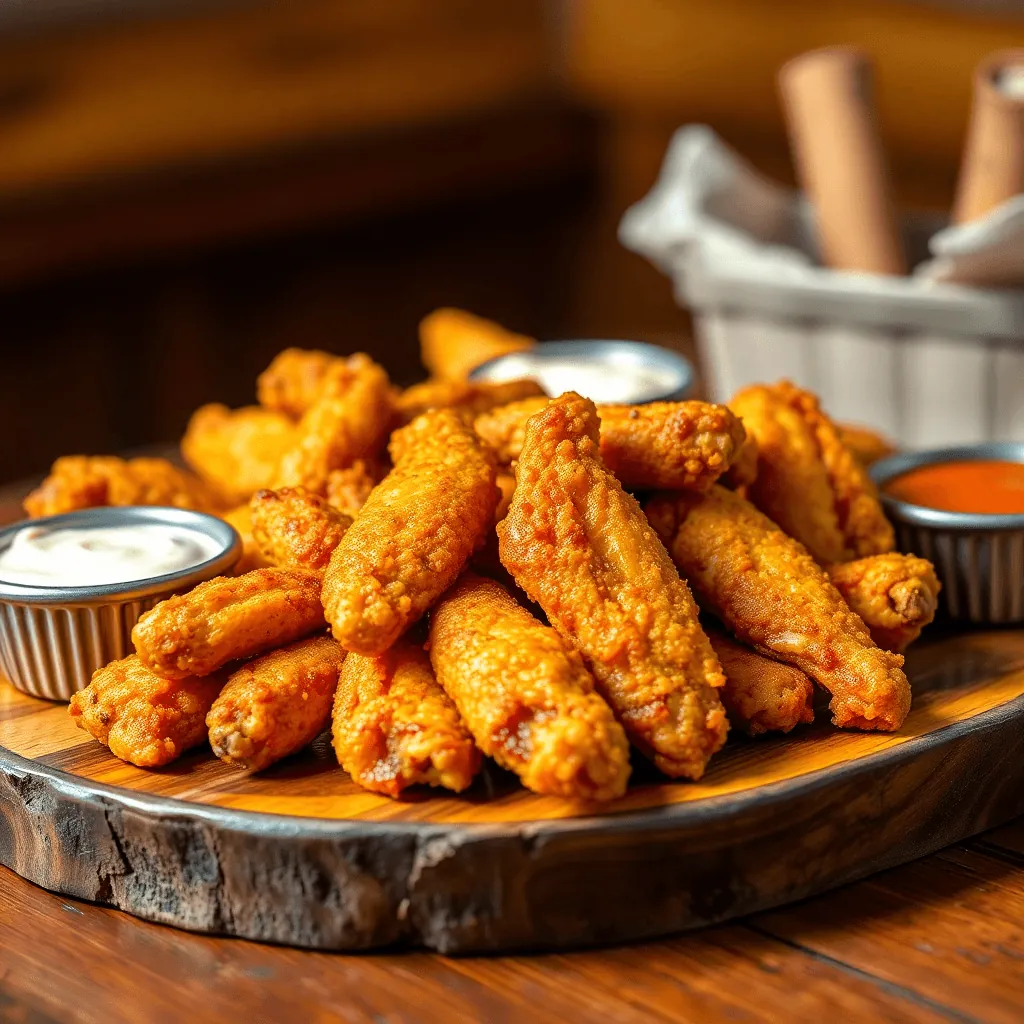
Boneless wings have become a popular menu item at restaurants and sports bars across the country, offering diners a convenient alternative to traditional chicken wings. Despite their name, these aren't actually wings at all, they're bite-sized pieces of chicken breast meat that have been breaded, fried, and tossed in your favorite sauces.
The distinction between boneless wings and their bone-in counterparts goes beyond just the absence of bones. You're getting a completely different cut of meat with a unique texture and eating experience. While traditional wings come from the actual wing portion of the chicken, boneless wings are crafted from tender breast meat, making them easier to eat and less messy to handle.
This chicken wings alternative has carved out its own space in casual dining for good reason. You can enjoy them without worrying about navigating around bones or getting sauce all over your hands. They're perfect for sharing, ideal for dipping, and come in virtually every flavor profile imaginable from classic Buffalo to sweet Sweet Soy to spicy Nashville hot.
The versatility of boneless wings makes them a go-to choice whether you're watching the game, grabbing a quick lunch, or ordering takeout for the family. You get all the flavor satisfaction of wings with the convenience of chicken nuggets, creating a dining experience that appeals to both wing enthusiasts and those who prefer a more straightforward eating experience.
Love eating with your hands? Don't forget to look at our classic traditional Hot Wings for the ultimate finger food.
What Are Boneless Wings?
Despite their name, boneless wings aren't wings at all. The boneless wings definition clarifies that these popular menu items are actually chicken breast chunks cut into bite-sized pieces. You're essentially eating white meat from the chicken breast, shaped and prepared to mimic the wing-eating experience without any bones to navigate around.
The preparation process transforms these chicken pieces into the familiar bar food you know. First, the breaded chicken gets coated in a seasoned flour mixture or batter that creates that signature crispy exterior. The seasoning typically includes salt, pepper, garlic powder, and paprika, though recipes vary widely. After breading, the pieces go into hot oil for deep frying until they achieve a golden-brown, crunchy coating.
Here's how boneless wings are typically prepared:
- Cut: chicken breast into uniform, bite-sized pieces
- Season: with spices and dry rub
- Coat: in flour, breadcrumbs, or batter
- Fry: in oil at 350-375°F until crispy
- Toss: in sauce while still hot
The texture and preparation method closely resemble chicken nuggets, which also use breast meat with a breaded coating. The main difference lies in the size boneless wings tend to be larger, more irregularly shaped pieces compared to the uniform, smaller nuggets you'd find in a kids' meal. Both deliver that satisfying crunch when you bite through the breading into tender chicken meat.
The boneless vs bone-in wings debate centers on several fundamental differences that affect your eating experience. Traditional bone-in wings contain the actual wing bones drummettes and flats with meat attached to the skeletal structure. You'll find dark meat that's juicier and more flavorful due to higher fat content. Boneless wings, as you now know, are white meat chicken breast pieces that deliver a uniform texture throughout each bite.
The wing comparison reveals distinct textural differences. Bone-in wings offer varying meat-to-bone ratios, requiring you to navigate around cartilage and bones while eating. The skin crisps up beautifully during cooking, creating that signature crunch. Boneless wings provide consistent, tender bites without any structural obstacles, you simply pop them in your mouth and enjoy.
Eating experience varies significantly between the two options:
Bone-In Wings:
- More authentic wing flavor from dark meat
- Satisfying hands-on eating ritual
- Messier experience requiring napkins
- Less meat per piece
- Takes longer to consume
Boneless Wings:
- Easier to eat quickly and cleanly
- More meat per serving
- Better for sharing or eating while multitasking
- Can be eaten with a fork if preferred
- Ideal for those who dislike dealing with bones
Price-wise, you'll typically pay more per pound for boneless wings since they use premium breast meat. Traditional wings often cost less but yield less edible meat per piece.
Popular Sauces and Flavors for Boneless Wings
The real magic of boneless wings lies in the sauce selection. You can transform these breaded chicken pieces into completely different taste experiences depending on your wing flavors choice.
Classic boneless wing sauces dominate menus across the country:
- Buffalo sauce remains the undisputed champion, delivering that tangy, spicy kick with cayenne pepper and butter
- BBQ variations range from sweet and smoky to tangy Kansas City-style
- Honey mustard offers a sweet-tangy balance that appeals to those who prefer milder heat
- Garlic parmesan coats wings in savory, buttery goodness
- Sweet Soy brings Asian-inspired sweetness with a hint of ginger and soy
- Nashville hot caters to heat seekers with its fiery cayenne blend
Dipping sauces elevate the experience even further. Ranch dressing provides cooling relief from spicy flavors, while blue cheese dressing offers that traditional wing accompaniment with its bold, tangy profile. You'll often find celery sticks and carrot sticks served alongside to complete the authentic wing experience.
This extensive sauce variety is what makes boneless wings so versatile. You can order a dozen wings with three different flavors at most restaurants, letting you sample multiple taste profiles in one sitting. The neutral chicken breast base acts as a perfect canvas for any sauce you choose, whether you're craving something mild and sweet or intensely spicy. This customization factor keeps customers coming back to explore new flavor combinations.
Making Boneless Wings at Home: Ingredients and Instructions
Creating homemade boneless wings ingredients is simpler than you might think. You don't need specialized equipment or hard-to-find items just straightforward pantry staples and fresh chicken breast.

Essential Ingredients
| Component | Ingredients |
| Chicken | 2 lbs boneless, skinless chicken breast, cut into 1.5-inch pieces |
| Breading Station | 1 cup all-purpose flour, 2 eggs (beaten), 2 cups panko breadcrumbs |
| Seasoning Mix | 1 tsp garlic powder, 1 tsp onion powder, 1 tsp paprika, ½ tsp cayenne pepper, 1 tsp salt, ½ tsp black pepper |
| Frying | Vegetable or canola oil (enough for 2-3 inches in your pot) |
| Sauce | ½ cup hot sauce, ¼ cup melted butter, 1 tbsp honey (for Buffalo-style) |
Cooking Instructions Boneless Wings
1. Prepare Your Chicken
Cut your chicken breast into uniform bite-sized pieces, roughly 1.5 inches each. Consistent sizing ensures even cooking and prevents some pieces from drying out while others remain undercooked.
2. Set Up Your Breading Station
Arrange three shallow bowls in a row. Place flour mixed with half your seasoning blend in the first bowl. Beat the eggs in the second bowl. Combine panko breadcrumbs with the remaining seasonings in the third bowl.
3. Bread Each Piece
Coat each chicken piece in flour, shaking off excess. Dip into the beaten egg, letting extra drip off. Press firmly into the panko mixture, ensuring complete coverage. For tips on achieving the perfect breading technique, refer to this guide on how to bread chicken. Place breaded pieces on a wire rack and let them rest for 10 minutes, this helps the coating adhere during frying.
4. Heat Your Oil
Pour oil into a heavy-bottomed pot or deep fryer until it reaches 2-3 inches deep. Heat to 350°F (175°C). You can test readiness by dropping a breadcrumb into the oil, it should sizzle immediately and float to the surface.
5. Fry in Batches
Add 5-6 pieces at a time, avoiding overcrowding. Fry for 6-8 minutes, turning occasionally, until golden brown and the internal temperature reaches 165°F. Transfer to a paper towel-lined plate.
6. Toss in Sauce
While your last batch fries, whisk together your sauce ingredients in a large bowl. Once all chicken pieces are cooked, toss them in the sauce until evenly coated. Serve immediately with your preferred dipping sauce and celery sticks.
The beauty of making boneless wings at home is the control you have over breading thickness, spice levels, and sauce intensity. You can adjust seasonings to match your taste preferences and experiment with different coating styles such as those used in fried chicken tenders.
This breading is light and crispy, but if you want that heavy, crunchy crust, our Church’s Chicken recipe is exactly what you need.

Boneless Wings Guide: Recipes, Sauces & Top Restaurants
Ingredients
Equipment
Method
- Cut chicken breast into uniform 1.5-inch pieces to ensure even cooking.

- Set up a breading station with three bowls: flour mixed with half the seasoning, beaten eggs, and panko breadcrumbs combined with the remaining seasoning.

- Coat chicken in flour, then egg, then panko. Press firmly to adhere. Rest on a wire rack for 10 minutes.

- Heat oil in a deep pot to 350°F (175°C).

- Fry chicken in batches for 6–8 minutes until golden and internal temp reaches 165°F. Drain on paper towels.

- Whisk together hot sauce, butter, and honey. Toss fried chicken in sauce and serve immediately.

Nutrition
Video
Notes
Tried this recipe?
Let us know how it was!The Marketing Angle Behind Boneless Wings
The term “boneless wings” represents a clever marketing strategy that transforms ordinary chicken breast pieces into something more appealing. You're not eating wings at all, you're eating breaded and fried chicken breast meat. The name creates an association with the popular wing-eating experience while sidestepping the reality that these are essentially premium chicken nuggets.
Why the Name Works
This naming strategy works because it taps into your desire for convenience. You get the flavor profiles and sauce options you love from traditional wings without dealing with bones, cartilage, or the messy process of eating around them. Restaurants know you want the wing experience without the work, and “boneless wings” sounds more sophisticated and appealing than “chicken chunks” or “adult nuggets.”
Changing How Consumers See It
The impact on consumer perception is significant. When you see “boneless wings” on a menu, you associate them with the social, fun atmosphere of wing nights rather than children's meal options. The pricing reflects this perception too boneless wings typically cost more than standard chicken tenders despite being made from similar cuts of meat. You're paying for the experience and the branding, not just the food itself.
Success Across Major Chains
This marketing approach has proven successful across major restaurant chains, creating a distinct menu category that appeals to diners seeking both the wing experience and ease of consumption. The strategy removes barriers to entry for customers who might otherwise skip wings entirely due to the bones.
Where to Find Boneless Wings – Popular Restaurants & Chains
You'll find boneless wings on restaurant menus across the country, with several major chains making them a signature offering.
1. Buffalo Wild Wings
Buffalo Wild Wings leads the pack with their extensive boneless wing selection, featuring over 20 sauce and seasoning options. You can order them in various sizes, from snack portions to shareable platters that feed a crowd.
2. Wingstop
Wingstop positions boneless wings prominently on their menu, calling them “boneless bites” and offering the same flavor lineup as their traditional wings. You'll notice they price boneless options slightly lower than bone-in wings, making them an attractive choice for budget-conscious diners.
3. Applebee's
Applebee's includes boneless wings as part of their appetizer menu and late-night specials. You can pair them with their signature sauces or order them as part of combo platters.
4. Other Chains
Other chains like Hooters, Wing Zone, and Zaxby's also feature boneless wings alongside their traditional offerings.
The best places for boneless wings typically offer both styles side-by-side, letting you choose based on your preference. Most chains now include boneless wings in their delivery and takeout menus, making them incredibly convenient for home dining. You can order through apps like DoorDash, or directly from restaurant websites.
Interestingly, national pizza chains have also added boneless wings to their menus, expanding your options beyond traditional wing-focused establishments. This trend reflects a broader shift in the food delivery landscape, which has seen significant evolution over the years.
Health Considerations – Boneless Wings Nutritional Insight
Understanding the nutrition boneless wings health comparison bone-in vs boneless helps you make informed choices when ordering or preparing this popular dish. A typical serving of boneless wings (6 pieces) contains approximately 500-700 calories before sauce, while traditional bone-in wings average 400-500 calories for the same number of pieces. The difference stems from the breading coating used on boneless varieties.
The breading and frying process significantly impacts the nutritional profile. Boneless wings absorb more oil during frying due to their increased surface area from the breading, resulting in higher fat content often 30-40 grams per serving compared to 25-30 grams for bone-in wings. The breading also adds refined carbohydrates, contributing an additional 40-50 grams per serving that bone-in wings lack.
Sodium content presents another consideration, with boneless wings typically containing 1,200-1,800mg per serving, especially when heavily sauced. This represents 50-75% of the recommended daily intake.
You can create healthier homemade alternatives by:
- Baking instead of frying to reduce oil absorption by up to 60%
- Using panko breadcrumbs or crushed cornflakes for lighter coating
- Applying cooking spray rather than submerging in oil
- Choosing grilled preparation methods entirely
- Opting for dry rubs instead of heavy sauces
- Selecting leaner chicken breast cuts and trimming visible fat
These modifications can reduce calorie content to 300-400 per serving while maintaining satisfying flavor and texture. For instance, if you're looking for a healthier twist on a classic dish, you might consider applying some of these techniques to a recipe like Classic Eggplant Parmesan which similarly involves breading and frying.
Conclusion – Why Choose Boneless Wings?
Boneless wings offer a winning combination of benefits that make them a standout wing choice for many diners. You get all the flavor and satisfaction of traditional wings without dealing with bones or messy fingers. This convenience factor makes boneless wings perfect for eating while watching the game, working at your desk, or enjoying a meal on the go.
The flavor variety available transforms boneless wings into a customizable experience. You can coat them in classic Buffalo sauce one day and switch to Sweet Soy the next. This versatility keeps your meals interesting and allows you to experiment with different taste profiles without committing to a single flavor.
Making boneless wings at home gives you control over ingredients, portion sizes, and cooking methods. You can adjust the breading thickness, choose your preferred oil, and create signature sauce combinations that restaurants don't offer. Speaking of restaurants, have you ever wondered how they make their boneless wings so delicious? If you prefer the convenience of dining out, most casual restaurant chains feature boneless wings on their menus with extensive sauce selections.
Whether you prepare them in your kitchen or order from your favorite spot, boneless wings offer an accessible entry point into wing culture without the traditional barriers.
Cool down the heat from these wings with a creamy, ice-cold drink from our list of Dirty Soda Recipes.
Additional Resources & References
You'll find valuable information from these authoritative sources on chicken recipes and food safety to deepen your understanding of boneless wings preparation and safe handling practices:
Food Safety & Handling:
- USDA Food Safety and Inspection Service – Chicken from Farm to Table – Comprehensive guidelines on handling raw poultry safely, including proper storage temperatures and cooking recommendations.
Cooking Techniques:
- Serious Eats – The Food Lab: The Science of Crispy Fried Chicken – Detailed scientific explanation on achieving perfectly crispy fried textures similar to restaurant-quality boneless wings.
Recipe Development:
- America's Test Kitchen – Chicken Breast Recipes, Professional tested recipes and techniques for working with chicken breast meat.
These resources will help you master both the safety aspects and culinary techniques needed to create exceptional boneless wings at home.
FAQs
What exactly are boneless wings and how do they differ from traditional bone-in wings?
Boneless wings are pieces of chicken breast meat that are seasoned, breaded, and fried to mimic the taste and texture of traditional bone-in chicken wings. Unlike bone-in wings, boneless wings contain no bones, making them easier and less messy to eat while offering a similar flavor experience.
What are some popular sauces and flavors commonly served with boneless wings?
Common sauce options for boneless wings include Buffalo, BBQ, and honey mustard. Typical dipping sauces like ranch and blue cheese dressing further enhance their versatility and appeal, allowing for a wide range of flavor combinations to suit different tastes.
How can I make boneless wings at home? What ingredients and steps are involved?
To make boneless wings at home, you'll need chicken breast chunks, seasonings, breading components (such as flour or breadcrumbs), oil for frying, and your choice of sauce ingredients. The preparation involves cutting the chicken into bite-sized pieces, seasoning them, coating with breading, frying until crispy, and tossing in your preferred sauce.
Why are boneless wings considered more convenient than traditional bone-in wings?
Boneless wings appeal to convenience seekers because they eliminate the hassle of dealing with bones, making them easier and less messy to eat. This marketing angle highlights their suitability for casual dining where ease of consumption is valued.
Where can I find boneless wings at popular restaurants or chains?
Major restaurant chains such as Buffalo Wild Wings, Wingstop, and Applebee’s offer boneless wings alongside traditional wing options. They are widely available for dine-in or delivery, providing convenient access to this popular menu item.
Are there any health considerations when choosing boneless wings compared to bone-in wings?
Boneless wings generally have a similar nutritional profile to bone-in versions; however, the breading and frying process can increase calorie and fat content. For healthier alternatives, homemade recipes can be adjusted by using baking methods or lighter breading ingredients.