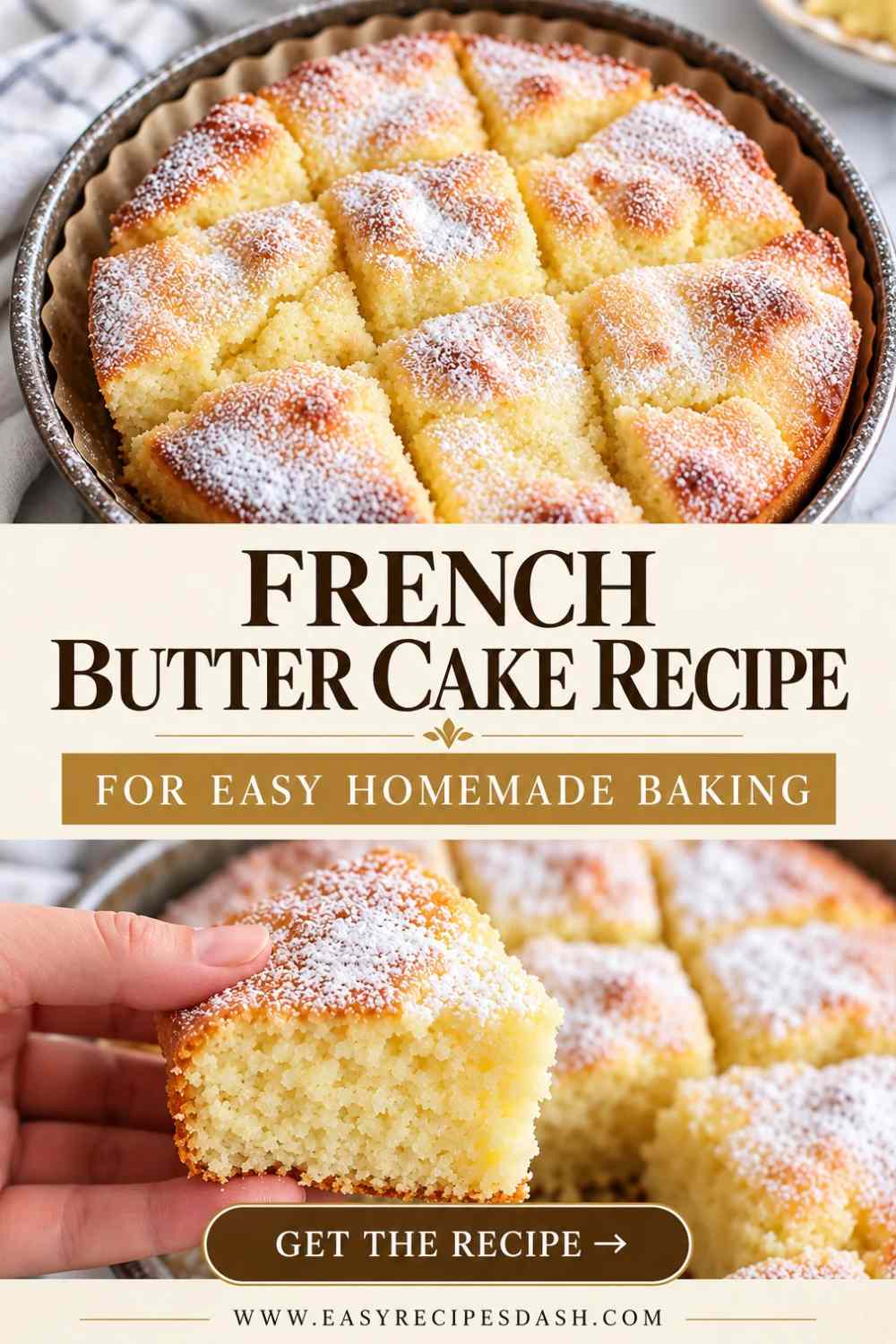
Golden French butter cake recipe for tea
French Butter Cake Recipe lovers, this one’s for you. It’s the kind of cake that makes your kitchen smell like warm vanilla and sizzling butter, with a softly golden top that practically begs for a powdered sugar snowfall.
Expect a classic butter cake with French patisserie vibes. It’s rich but not heavy, elegant but not fussy. Bake it for weekend baking, slide it onto a brunch table, serve it as a special occasion dessert, or pull it off when last-minute guests show up and you want something that looks like you planned ahead.
Recipe overview at a glance
This is a French-inspired butter cake: simple, elegant, and all about that buttery, tender crumb. The flavor leans vanilla-forward, with a soft interior and a lightly golden top that feels right at home next to tea or coffee.
You’ll get one 9-inch round cake, which usually slices into 8 to 10 pieces, depending on how generous you’re feeling. It’s fantastic slightly warm, but it also slices beautifully once fully cooled. I love it with a dusting of powdered sugar and a pile of berries.
Quick why-it-works preview: creaming the butter and sugar adds air for lift, and room-temperature ingredients help everything emulsify into a smooth batter. That’s how you get a cake that’s plush instead of dense.
For exact amounts and measurements, see the recipe card below.
If you're looking for more delightful cake recipes like this one, consider trying out the Labubu Cake, which offers a unique twist on traditional cakes. Or perhaps you'd be interested in our One Bowl Chocolate Cake, perfect for chocolate lovers seeking simplicity in their baking. And if you're in the mood for something lighter yet indulgent, our Sugar Free Lemon Blueberry Pudding Cake could be just what you need!
Why you’ll love this french butter cak recipe
- Butter-rich, but still light: You get that classic French dessert feel, with a tender crumb that doesn’t eat like a brick.
- Straightforward and reliable: No layers, no frosting, no fancy decorating skills needed.
- Works for so many moments: Afternoon tea dessert, brunch, holidays, or a low-stress “something sweet” after dinner.
- Pinterest-pretty without trying hard: A simple powdered sugar finish and berries make it look effortlessly elegant.
- Comforting in the best way: One warm slice feels like a bakery treat you somehow pulled off at home.

Ingredients you’ll need (and why)
You’ll recognize everything here, which is part of the charm. Each ingredient has a job to do, and in a butter-forward cake, those little details matter.
- Butter: The main flavor and a big part of the cake’s structure. Using good butter makes a noticeable difference here.
- Sugar: Sweetens and also helps create a tender texture.
- Eggs: Add richness and help the cake rise with a sturdy, velvety crumb.
- Vanilla extract: That bakery aroma that makes the whole kitchen smell like something special.
- All-purpose flour: Gives the cake its shape and crumb. Avoid tasting raw cake batter, since uncooked flour and eggs can contain harmful bacteria. For more information, follow the FDA's official flour safety guidelines.
- Baking powder: Provides lift so it bakes up light, not flat.
- Salt: Balances sweetness and makes the butter and vanilla pop.
- Whole milk: Adds moisture and helps keep the crumb soft.
Best-result callouts:
- Use unsalted butter so you control the salt level.
- Use real vanilla extract for the cleanest flavor.
- Bring eggs and milk to room temperature so the batter turns smooth instead of curdled.
Measurement tips (this matters more than you’d think):
- If you don’t weigh flour, use the spoon-and-level method so you don’t pack in too much.
- If your flour looks clumpy, a quick sift can help keep the crumb lighter.
Optional finish:
- A simple powdered sugar dusting gives you that classic, elegant look with almost zero effort.
Kitchen tools and equipment checklist
You don’t need anything fancy, but the right basics make the process smoother.
- 9-inch round cake pan plus a parchment paper circle (parchment helps guarantee a clean release)
- Hand mixer or stand mixer for proper creaming (a whisk can work, but it takes longer and more arm power)
- Mixing bowls
- Measuring cups and spoons
- Rubber spatula for scraping the bowl well
- Cooling rack (don’t skip it if you want the best texture and clean slices)
- Toothpick tester
Optional for presentation:
- Fine-mesh sieve for a neat powdered sugar dusting
- Cake stand if you want that bakery window look at home
How to make French butter cake recipe
This is the big-picture flow so you know what to expect. For the exact instructions and timing, follow the recipe card below.
- Preheat and prep your pan: Grease the pan and line it with parchment. Using both helps the cake release cleanly and keeps the top from tearing when you flip it out.
- Cream butter and sugar until pale and fluffy: Give it a full few minutes. You’re looking for a lighter color and a texture that looks airy, not greasy. This step builds lift.
- Finish the batter and bake: Once the batter goes into the pan, bake until the top turns golden and a toothpick comes out with moist crumbs. Start checking a bit early so you don’t overbake.
- Cool correctly: Let the cake rest in the pan briefly, then move it to a rack. This prevents a soggy bottom and helps it set up so it slices neatly.
- Finish and serve: Dust with powdered sugar once cooled, then slice. Add berries if you want it extra pretty.
If you're interested in trying out different cake recipes, you might want to explore this delicious funfetti birthday cake recipe.
How to know it’s done (without guessing)
Butter cakes can go from perfect to dry faster than you’d expect, so I like using a few cues at once:
- Color: The top should look evenly golden.
- Edges: You’ll often see the edges pulling just slightly from the pan.
- Touch test: Lightly press the center. It should spring back gently.
- Toothpick test: You want moist crumbs, not wet batter.
- Temperature option: If you like certainty, an internal temperature around 200 to 205°F is a solid target for cakes like this.
Overbake warning: start checking a little early (especially if your oven runs hot). Also, remember the cake continues setting as it cools, so try not to slice it piping hot.
Expert tips and tricks
These are the small habits that make this cake consistently bakery-good.
- Room temperature isn’t optional: When butter, eggs, and milk are truly room temp, your batter blends smoothly and bakes more evenly.
- Cream long enough: Don’t stop at “mixed.” Stop at “pale and fluffy.” That air you whip in helps the cake rise and stay tender.
- Measure flour carefully: Too much flour is the fastest path to a dry cake. Spoon-and-level works well if you’re not using a scale.
- Rotate if needed: If your oven has hot spots, rotate the pan halfway through baking for even color.
- Cool before dusting sugar: Powdered sugar melts on a warm cake and turns patchy. Let the cake cool so the finish stays pretty.
Recipe variations and possible substitutions
These ideas keep the spirit of the cake intact, but let you play with flavor depending on the season or the occasion. (If you make changes, your bake time and texture may shift a bit.)
Citrus twist
Add lemon or orange zest for a brighter, fresher flavor. It's especially nice with berries for an afternoon tea dessert moment.
Almond version
Swap in a little almond extract for a bakery-style almond note, and sprinkle sliced almonds on top before baking for a delicate crunch.
Vegan-ish approach (with a reality check)
Butter cake relies heavily on butter and eggs for structure and texture. If you need an egg-free version, a commercial egg replacer tends to perform more consistently than DIY swaps, but expect the crumb to turn out different and slightly less rich.
Mix-ins
- Mini chocolate chips
- Blueberries (toss them lightly in flour so they don't sink as much)
- Chopped toasted nuts for crunch
Pan options
- Loaf pan: Plan for a longer bake and start checking for doneness as it approaches the typical loaf timing in your oven.
- Muffin tin: Great for quick portions; bake time will be shorter, so check early.
Serving and pairing suggestions
This cake loves a simple, classic setup, but it can dress up easily.
- Classic: Powdered sugar, fresh berries, and a little whipped cream.
- Tea-time board: Pair with shortbread, fruit preserves, and a hot cup of tea or coffee.
- Special occasion dessert: Add a quick berry sauce or a thin vanilla glaze for a more plated, dinner-party feel.
Seasonal fruit pairings
- Spring: Strawberries
- Summer: Peaches
- Fall: Pears with a pinch of cinnamon
- Winter: Citrus segments
Texture note: it slices cleanest once fully cooled, but it's extra cozy just slightly warm.
Storage and reheating tips
- Room temperature: Store covered for 2 to 3 days, away from heat and direct sunlight.
- Fridge: Wrap tightly to prevent drying out. Bring slices back to room temp before serving for the best buttery texture.
- Freezer: Wrap individual slices in plastic wrap, then foil. Freeze for 2 to 3 months and label with the date.
- Reheating: Warm a slice 10 to 15 seconds in the microwave, or heat briefly in a low oven. Avoid overheating, since it dries cake out fast.
- Make-ahead tip: This is a great bake-the-day-before cake. The flavor settles nicely, and the crumb stays tender.
Conclusion
This recipe delivers exactly what you want from a French Butter Cake Recipe: buttery flavor, a tender crumb, and that subtle French patisserie vibe without a lot of fuss. It’s the kind of cake that makes an ordinary afternoon feel a little more golden.
In my Austin kitchen, it’s the calm, buttery moment I love most, with Miso nearby and the whole place smelling like vanilla. If you’re craving a simple afternoon tea dessert or some cozy weekend baking, this one’s calling your name.
If you try it, play with a citrus or almond variation and share how you served yours.
FAQs
What makes this French Butter Cake recipe special compared to other butter cakes?
This French Butter Cake recipe offers a perfect balance between classic and slightly special, featuring a golden, buttery, tender crumb with warm vanilla aroma. It's rich but not heavy, elegant without being fussy, making it ideal for tea time, brunch, or special occasions.
What ingredients are essential for achieving the best flavor and texture in this French butter cake recipe?
Key ingredients include unsalted butter for controlled saltiness and rich flavor, sugar for sweetness and tenderness, eggs for richness and structure, real vanilla extract for authentic aroma, all-purpose flour for shape and crumb, baking powder for lift, salt to balance sweetness, and whole milk for moisture and softness.
How do I ensure my French butter cake recipe has a light and tender crumb rather than a dense texture?
To get a plush and tender crumb, cream the butter and sugar thoroughly to incorporate air for lift. Also, use room-temperature ingredients like eggs and milk to help emulsify the batter smoothly. Proper measuring of flour using the spoon-and-level method or sifting also prevents density.
What kitchen tools do I need to bake this French butter cake recipe successfully?
You'll need a 9-inch round cake pan with parchment paper circle for easy release, a hand mixer or stand mixer for creaming butter and sugar effectively, mixing bowls, measuring cups and spoons, a rubber spatula to scrape the bowl well, a cooling rack to maintain texture and clean slices, and optionally a toothpick tester.
Can this French butter cake recipe be served in different settings or occasions?
Absolutely! This French Butter Cake Recipe is versatile, it works wonderfully as an afternoon tea dessert, brunch centerpiece, holiday treat, or even as a quick yet impressive dessert when unexpected guests arrive. Its simple elegance pairs beautifully with powdered sugar dusting and fresh berries.
How should I serve or finish the cake to make it look elegant without much effort?
A simple dusting of powdered sugar over the cooled cake adds classic bakery-style elegance effortlessly. Serving it alongside fresh berries enhances its appeal visually and flavor-wise. The cake slices beautifully once cooled but is also delightful served slightly warm.
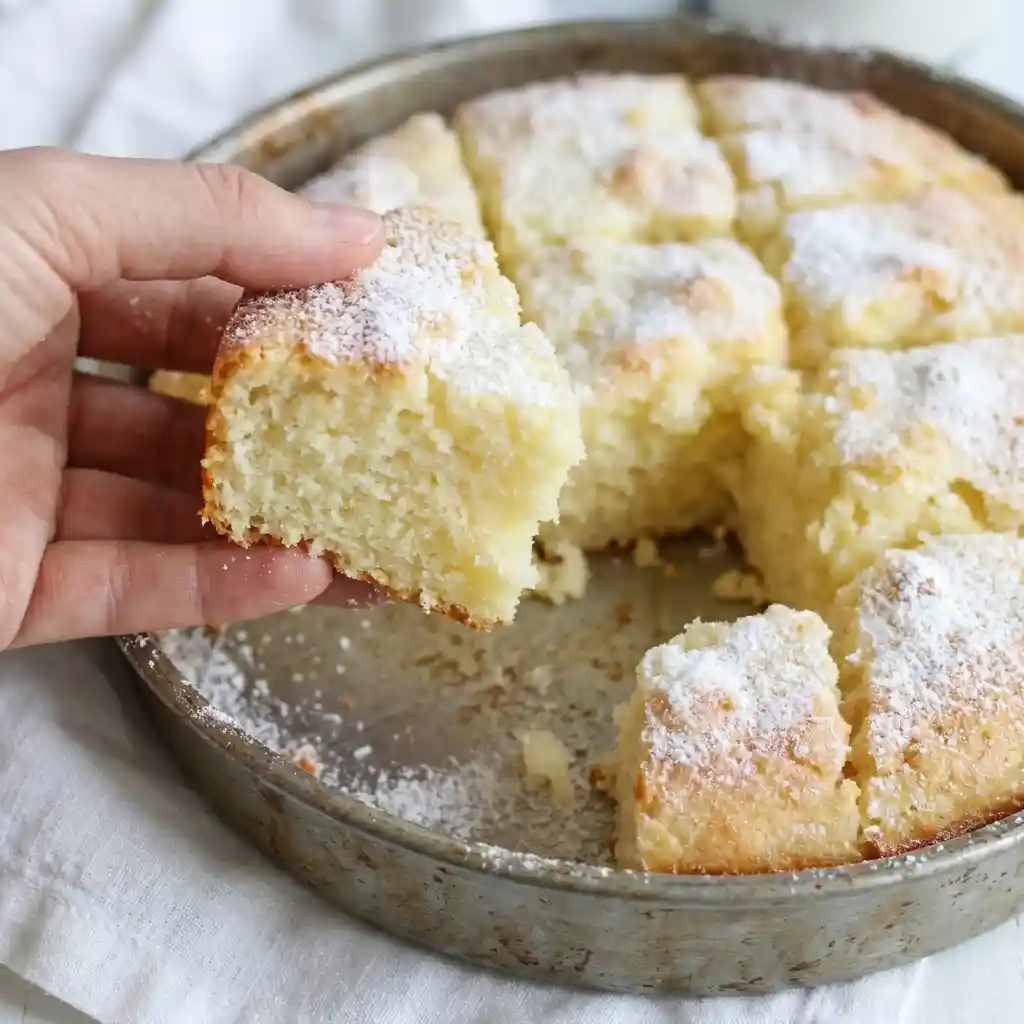
French Butter Cake Recipe
Ingredients
Method
- Preheat your oven to 350°F (175°C) and grease a 9-inch round cake pan.
- In a mixing bowl, cream together the softened butter and sugar until light and fluffy.
- Add the eggs one at a time, mixing well after each addition. Stir in the vanilla extract.
- In another bowl, whisk together the flour, baking powder, and salt. Gradually add this dry mixture to the butter mixture, alternating with the milk, and mix until just combined.
- Pour the batter into the prepared cake pan and smooth the top.
- Bake for 30-35 minutes or until a toothpick inserted into the center comes out clean.
- Let it cool in the pan for a few minutes before transferring it to a wire rack to cool completely.
- Serve plain or dusted with powdered sugar, and enjoy!